
📑 Table of Contents ▶
Pan Seared Salmon
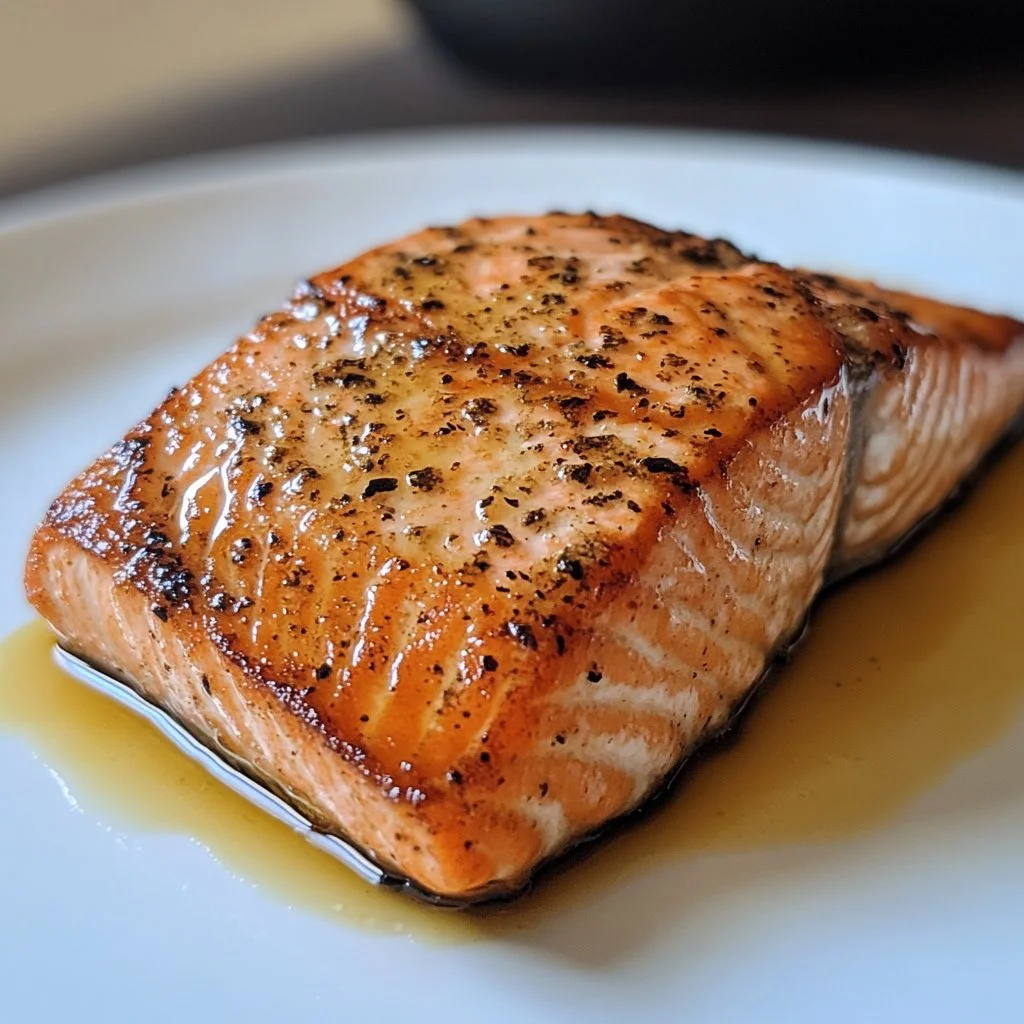
Imagine a sunny day by the ocean, where the salty breeze carries the aroma of fresh seafood wafting from nearby kitchens. Pan seared salmon brings back fond memories of those seaside moments. Each piece of salmon sizzles in a hot pan, developing a crispy skin while the tender flesh remains moist and flavorful. Cooking salmon this way creates a delightful dish, showcasing the natural flavors through simplicity.
As a seafood enthusiast, I often spend weekends experimenting with delicious fish recipes. The beauty of pan seared salmon lies in its straightforward ingredients—just salmon, olive oil, butter, garlic, lemon juice, and fresh herbs. This recipe reflects the charm of coastal cooking, where fresh ingredients shine through without unnecessary fuss.
When you take the time to prepare and cook salmon to perfection, you indulge in an experience that connects you to the ocean. Each bite carries the essence of the sea, making it a favorite meal in many households. Whether it’s a weeknight dinner or a special occasion, this pan seared salmon recipe deserves a spot on your table.
Understanding Pan Seared Salmon
Fundamentals
Cooking salmon perfectly requires understanding a few key elements. First, the choice of salmon fillets plays a significant role. Look for quality cuts, preferably wild-caught or sustainably sourced. Freshness affects flavor and texture. A great piece of salmon should have a bright color and a slightly firm texture.
Next, temperature matters. Cooking salmon too hot or too cold can lead to uneven results. Medium-high heat allows the skin to crisp up while ensuring that the flesh cooks evenly. This balance creates that beautiful golden crust while retaining moisture inside.
Lastly, seasoning is crucial. Simple salt and pepper can elevate the salmon’s taste by enhancing its natural flavors. Keep seasonings light, allowing the freshness of the fish and the richness of the butter to shine.
Preparation/Setup
Before starting the cooking process, gather all necessary ingredients. You’ll need four salmon fillets, salt and pepper, olive oil, unsalted butter, minced garlic, lemon juice, and chopped fresh herbs like parsley or dill.
Prepare your workspace. Use a clean, flat surface for seasoning the fillets. Ensure your cooking pan is ready. A heavy-bottomed skillet works best for achieving that famed sear. Heat the olive oil in the pan while you season the salmon with salt and pepper.
Ingredients
- 4 salmon fillets
- Salt and pepper to taste
- 2 tablespoons olive oil
- 2 tablespoons unsalted butter
- 2 cloves garlic, minced
- Juice of 1 lemon
- Fresh herbs (such as parsley or dill), chopped
Directions
- Season salmon fillets with salt and pepper.
- Heat olive oil in a pan over medium-high heat.
- Place the salmon fillets skin-side down and cook for about 4-5 minutes until the skin is crispy.
- Flip the salmon over and add butter and garlic to the pan.
- Cook for an additional 4-5 minutes until the salmon is cooked through.
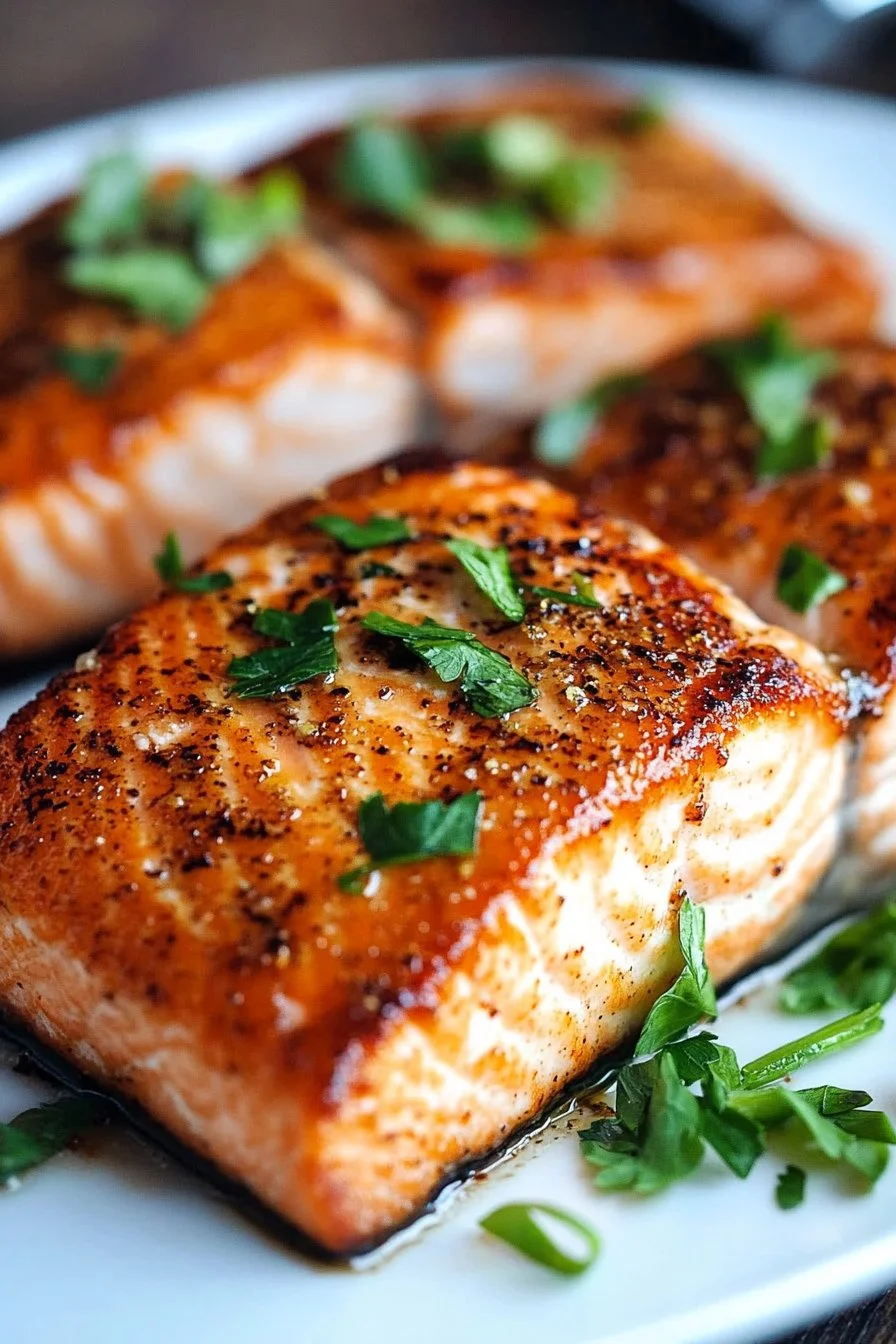
- Drizzle with lemon juice and sprinkle chopped herbs before serving.
Mastering the Technique
Technique
Achieving the perfect sear on salmon requires attention to detail. Start with a well-heated pan to ensure the skin crisps up nicely. Use a high-quality non-stick or cast iron skillet for best results. Allow the fish to rest at room temperature for about 15 minutes before cooking. This small step will help the salmon cook evenly.
When placing the salmon in the pan, do so with the skin side down, gently pressing it for a moment. This helps the skin adhere to the pan and caramelize beautifully. Avoid flipping the salmon too early; give it time to develop that gorgeous crust.
Tips and Tricks
One simple trick to prevent sticking is drying the salmon fillets well with paper towels before seasoning. Moisture on the surface can lead to steaming rather than searing. Additionally, always cook salmon in batches if you have more than what fits comfortably in the pan. Overcrowding can reduce the pan temperature, leading to uneven cooking.
Use a spatula to check the crispiness of the skin before flipping. If it resists, it likely needs more time. After flipping, spoon the melted butter mixed with garlic over the fillets for added flavor and richness.
Perfecting the Results
Perfecting Results
Cooking salmon until it reaches the right level of doneness involves intuition. Aim for an internal temperature of 125°F for medium-rare to medium, ensuring the fish remains tender and flaky. Keep in mind that salmon continues to cook slightly after removal from heat due to residual warmth.
To check for doneness without a thermometer, gently press the fillet with a fork. If it flakes easily but maintains a hint of transparency in the center, it’s likely ready. Remember, there’s no shame in testing a small piece if you’re uncertain—you want the salmon to feel just right.
Troubleshooting and Variations
Not all salmon is created equal, and sometimes you may encounter issues. If your salmon cooks too quickly on the outside while remaining raw inside, lower the heat slightly. Adjust your cooking time based on the thickness of the fillet.
Variations can bring new excitement to this classic dish. Using different herbs or adding spices like paprika or cayenne can enhance flavor profiles. Consider a splash of soy sauce or honey in the butter for unique twists on the standard recipe.
Serving and Storing
Serving and Presentation
Presenting pan seared salmon beautifully makes a meal feel special. Serve the salmon on a warm plate for a restaurant-quality feel. Garnish with fresh herbs and lemon wedges. A sprinkle of black pepper adds a simple yet elegant touch. Pair with seasonal vegetables, rice, or a fresh salad to create a balanced meal.
Pairings and Storage
Though pairing this dish with specific beverages is outside the scope, consider serving it alongside roasted asparagus, fluffy quinoa, or a vibrant citrus salad. These sides complement the salmon’s richness and balance the meal.
Leftover salmon stores well in the refrigerator. Place it in an airtight container, and it keeps fresh for up to three days. Reheat gently in the oven or on the stovetop to preserve moisture. Alternatively, use it in salads or pasta dishes for a quick meal.
Pan seared salmon captures the essence of coastal cooking with its flavorful simplicity. Enjoy the satisfaction of creating a dish that impresses both family and friends, all while relishing the splendid flavors of the sea.
Print
Pan Seared Salmon
- Prep Time: 10 minutes
- Cook Time: 10 minutes
- Total Time: 20 minutes
- Yield: 4 servings
- Category: Main Course
- Method: Pan-Seared
- Cuisine: Seafood
- Diet: Paleo
Description
A simple yet delicious pan seared salmon recipe that showcases the natural flavors of the fish with a crispy skin and tender flesh.
Ingredients
- 4 salmon fillets
- Salt and pepper to taste
- 2 tablespoons olive oil
- 2 tablespoons unsalted butter
- 2 cloves garlic, minced
- Juice of 1 lemon
- Fresh herbs (such as parsley or dill), chopped
Instructions
- Season salmon fillets with salt and pepper.
- Heat olive oil in a pan over medium-high heat.
- Place the salmon fillets skin-side down and cook for about 4-5 minutes until the skin is crispy.
- Flip the salmon over and add butter and garlic to the pan.
- Cook for an additional 4-5 minutes until the salmon is cooked through.
- Drizzle with lemon juice and sprinkle chopped herbs before serving.
Notes
For best results, ensure your salmon is at room temperature before cooking and dry the fillets well to prevent sticking.
