
📑 Table of Contents ▶
- Gochujang Salmon With Pandan Rice
- Mastering Gochujang Salmon With Pandan Rice
- Fundamentals
- Preparation/Setup
- Cooking Techniques for Gochujang Salmon
- Technique
- Tips/Tricks
- Perfecting Gochujang Salmon with Pandan Rice
- Perfecting Results
- Troubleshooting/Variations
- Serving Gochujang Salmon With Pandan Rice
- Serving/Presentation
- Pairings/Storage
- Conclusion
- FAQs – Gochujang Salmon With Pandan Rice
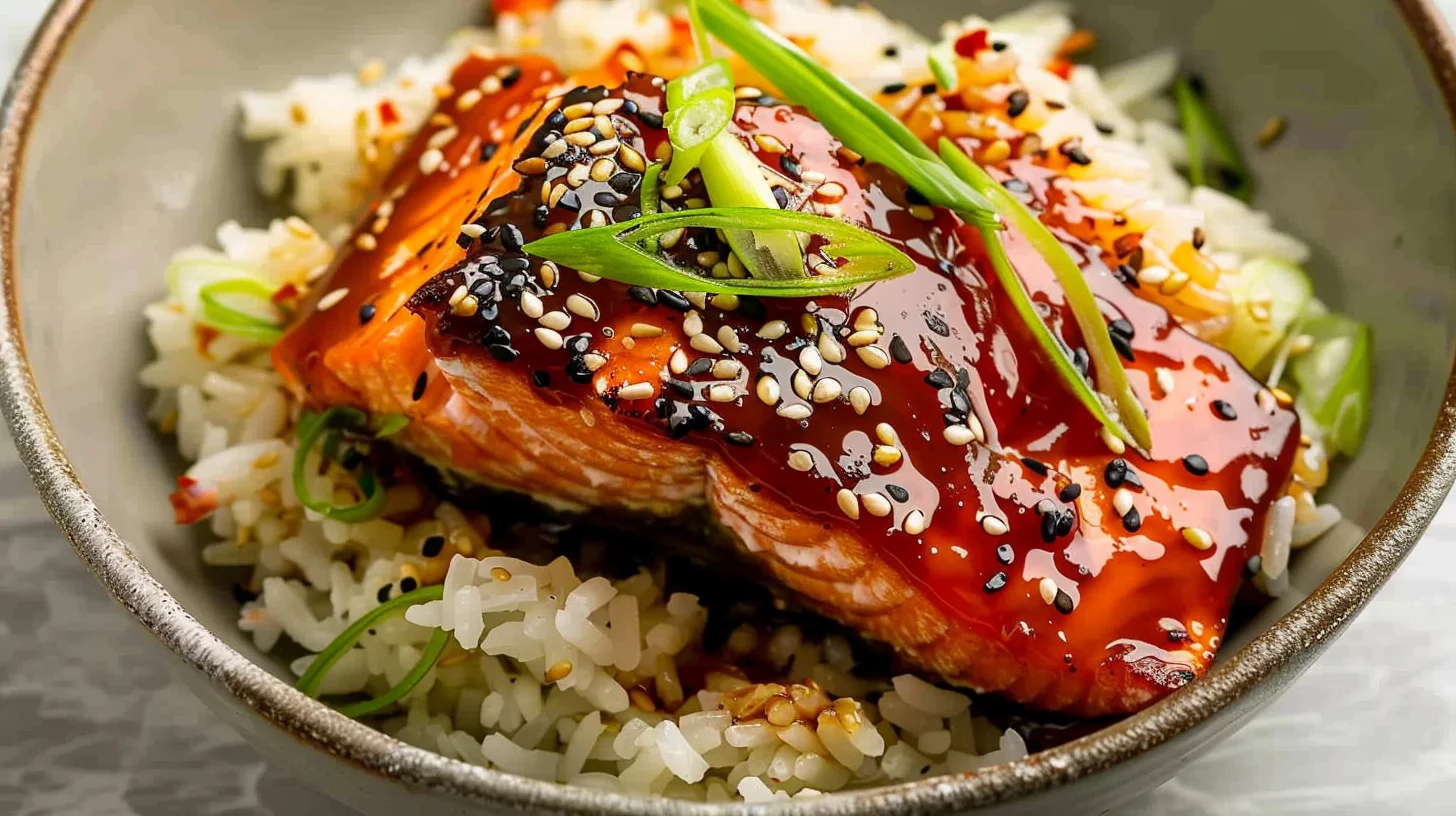
Growing up by the sea, I’ve always been enamored with the vibrant flavors of seafood. One of my fondest memories involves the rich taste of gochujang salmon paired with the aromatic scent of pandan rice wafting through the kitchen. This delightful combination of Korean spice and tropical aroma made every meal feel special and comforting. The unique taste of gochujang salmon with pandan rice remains a beloved dish in my repertoire.
My passion for seafood cooking has always been about simplicity and flavor. It’s about letting the natural taste of the fish shine while enhancing it with bold ingredients. The gochujang salmon with pandan rice embodies this philosophy perfectly. The spicy, savory glaze complements the tender salmon, while the pandan-infused jasmine rice provides a subtle, fragrant backdrop. It’s a dish that’s both approachable and indulgent, capturing the essence of my coastal culinary journey.
Every time I prepare this dish, it transports me back to those seaside moments, where the sound of waves and the smell of the ocean paired with the sizzling salmon on the stove. The blend of gochujang’s heat and the soothing aroma of pandan rice is a sensory delight. In this article, I’ll guide you through crafting this exquisite dish, sharing tips and techniques that make it a standout in any seafood lover’s kitchen.
Whether you’re new to seafood cooking or a seasoned enthusiast, this gochujang salmon with pandan rice is sure to impress. It’s a perfect blend of tradition and innovation, bringing together diverse flavors in a harmonious culinary experience. Let’s dive into the details and create this flavorful journey together.
Print
Gochujang Salmon With Pandan Rice
- Prep Time: 25 minutes
- Cook Time: 10 minutes
- Total Time: 35 minutes
- Yield: 4 servings
- Category: Main Course
- Method: Baking
- Cuisine: Asian
Description
Learn how to make delicious Gochujang Salmon with fragrant Pandan Rice in this easy recipe. Elevate your cooking skills with this flavorful dish!
Ingredients
- 1¼ pounds (567 g) salmon filet, skin on
- 1 tablespoon (15 ml) kosher salt
- 1 tablespoon (15 ml) cane sugar
- 1/2 tablespoon (8 ml) avocado oil
- 11/2 tablespoons (83 ml) avocado oil
- 2 tablespoons (30 ml) garlic, minced
- 2 tablespoons (30 ml) shallot, minced
- 2 coins ginger, sliced 1/8-inch thick
- 1 cup (237 ml) jasmine rice
- 2 leaves pandan, tied into a knot
- 1 cup (237 ml) water
- ½ cup (118 ml) coconut milk
- 1/2 teaspoon (3 ml) kosher salt
- 3 tablespoons (45 ml) gochujang
- 1 tablespoon (15 ml) honey
- 1 tablespoon (15 ml) sesame oil
- 2 teaspoons (10 ml) rice vinegar
- 11/2 teaspoons (28 ml) soy sauce
- 1 teaspoon (5 ml) ginger, grated
- 3 cloves garlic, grated
- 1 teaspoon (5 ml) water
- Toasted sesame seeds
- Scallions, chopped
Instructions
- Prepare the rice: Wash the jasmine rice thoroughly and keep it in the rice pot. In a pan, heat avocado oil and cook the shallot, garlic, and ginger slices on medium-high heat for about 3 minutes or until the shallots soften, avoiding any browning of the ingredients.
- Transfer the cooked aromatics to the washed rice, then add kosher salt, pandan leaves, coconut milk, and water. Mix everything well and place it in the rice cooker to begin cooking.
- Season the salmon: Pat the salmon filet dry to remove any remaining moisture. Mix kosher salt and cane sugar in a small bowl. Generously apply this mixture over the entire salmon. Let it sit for 15 minutes, then rinse with cold water and dry with a towel.
- Set the oven to broil and adjust the racks to be 6 inches from the heat source.
- Prepare the gochujang glaze: In a bowl, combine gochujang, honey, sesame oil, rice vinegar, soy sauce, grated ginger, grated garlic, and water. Stir well and set aside.
- Once the salmon is ready, drizzle it with ½ tablespoon of avocado oil and lightly sprinkle with kosher salt. Place on a baking sheet and broil for 4 minutes. Take it out of the oven and brush half of the gochujang glaze on top. Return to the oven for another 3 minutes, then take it out again and brush with the remaining glaze. Cook for an additional 2 minutes or until the salmon is fully cooked, adjusting the time if necessary based on your oven and the thickness of the salmon.
- After the salmon is done, spread any leftover sauce on top and sprinkle with toasted sesame seeds and chopped scallions.
- When the rice is ready, remove the pandan leaves and ginger slices. Use a fork to fluff the rice before serving.
Notes
- Enhance the ginger flavor by grating fresh ginger into the rice before cooking.
- Thoroughly rinse the rice to remove excess starch for a fluffier texture.
- Ensure even cooking by using a salmon filet of uniform thickness and adjust broiling time accordingly.
Mastering Gochujang Salmon With Pandan Rice
Fundamentals
The heart of this dish lies in its flavors. Gochujang, a Korean red chili paste, is known for its spicy, sweet, and savory profile, which complements the richness of salmon beautifully. Jasmine rice, infused with pandan leaves, provides a fragrant and slightly sweet contrast that balances the heat of the gochujang glaze. The key is to select fresh, high-quality salmon and aromatic pandan leaves to bring out the best in each ingredient.
Preparation/Setup
Begin by preparing the jasmine rice. Rinse it thoroughly to remove excess starch, ensuring fluffy grains. In a pan, sauté the minced shallot, garlic, and sliced ginger in avocado oil until they soften. Transfer these aromatics to the rice, adding pandan leaves, coconut milk, water, and a pinch of salt. Cook in a rice cooker for perfectly infused rice every time.
For the salmon, mix kosher salt and cane sugar to season the filet. This step enhances the fish’s natural flavors and prepares it for the gochujang glaze. The glaze, a combination of gochujang, honey, sesame oil, rice vinegar, soy sauce, and grated ginger and garlic, is straightforward yet packed with flavor. This preparation step ensures that each aspect of the dish is flavorful and ready for cooking.
Cooking Techniques for Gochujang Salmon
Technique
The broiling method is crucial for achieving a perfectly cooked salmon with a caramelized glaze. After seasoning, drizzle the salmon with avocado oil and place it on a baking sheet. Broil for a few minutes, remove to apply the glaze, and return to the oven. This technique ensures the glaze is thoroughly integrated into the salmon, creating a flavorful crust while keeping the inside moist.
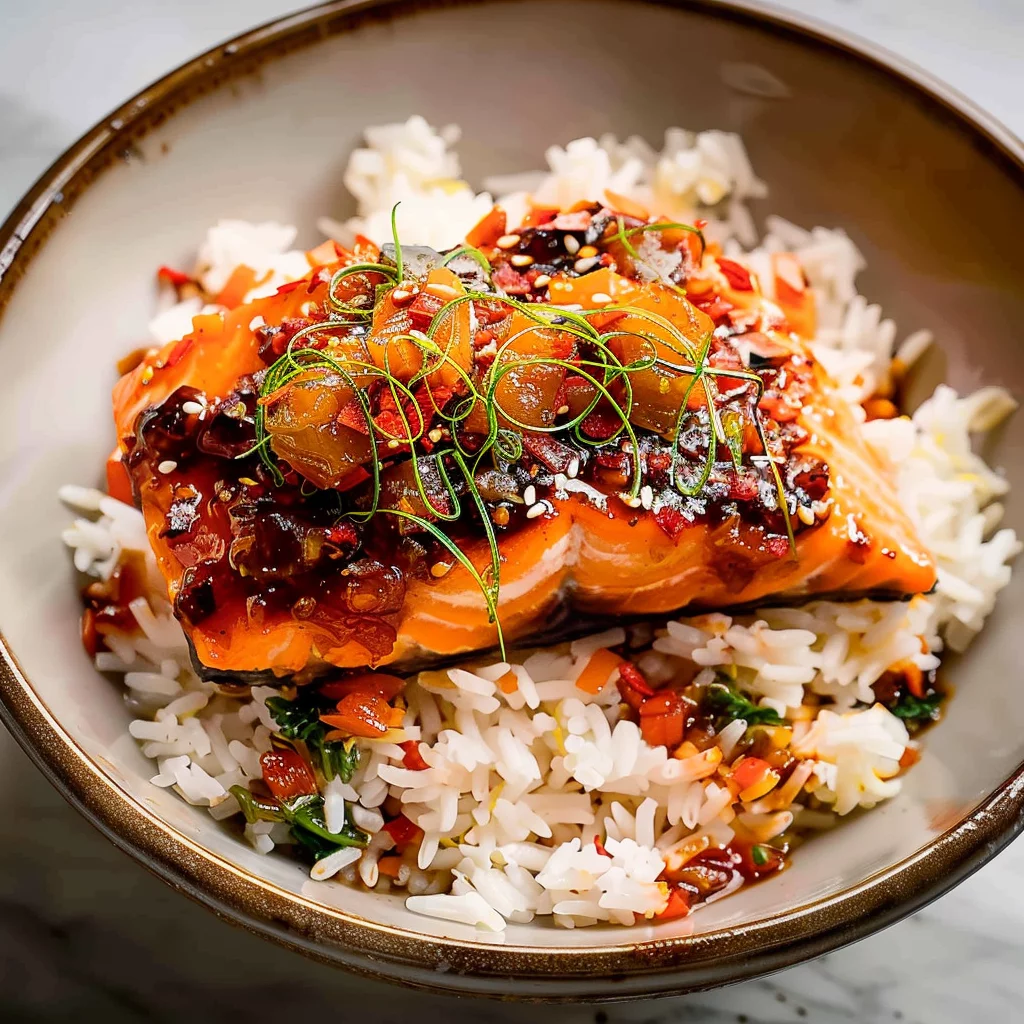
Gochujang Salmon With Pandan Rice
Tips/Tricks
For the best results, keep the oven rack about six inches from the heat source. This distance allows the salmon to cook evenly without burning the glaze. Adjust the cooking time based on the thickness of your salmon filet. Additionally, using fresh minced garlic and ginger in the glaze enhances the dish’s aromatic qualities, making every bite a burst of flavor.
Consider doubling the glaze recipe if you want extra sauce to drizzle over the finished dish. This ensures that each serving is as flavorful as the last. Remember to use a fork to fluff the rice, enhancing its texture and presentation.
Perfecting Gochujang Salmon with Pandan Rice
Perfecting Results
Achieving the perfect gochujang salmon involves balancing the glaze’s intensity with the salmon’s natural taste. Taste the glaze before applying it to ensure it meets your flavor preferences. The caramelization process during broiling brings out the sweetness and depth of the gochujang, creating a mouthwatering finish.
Troubleshooting/Variations
If the salmon appears too spicy, adjust by adding more honey or a splash of rice vinegar to the glaze. Alternatively, if you enjoy experimenting, try incorporating a touch of lime juice for a citrusy kick. For those who prefer a milder dish, reduce the amount of gochujang and increase the coconut milk in the rice for a creamier texture.
For a vegetarian twist, explore using tofu or eggplant as a substitute for salmon, following the same glazing and broiling steps. This adaptation retains the dish’s essence while catering to different dietary preferences.
Serving Gochujang Salmon With Pandan Rice
Serving/Presentation
Presentation plays a vital role in elevating this dish. Serve the gochujang salmon atop a bed of fluffy pandan rice, garnished with toasted sesame seeds and chopped scallions. The vibrant colors of the glaze and garnishes create a visually appealing plate, enticing the senses even before the first bite.
Pairings/Storage
Pair this dish with a refreshing side salad or steamed vegetables to complement the spicy salmon. For storage, keep leftovers in an airtight container in the refrigerator for up to two days. Reheat gently to maintain the salmon’s tenderness and glaze integrity.
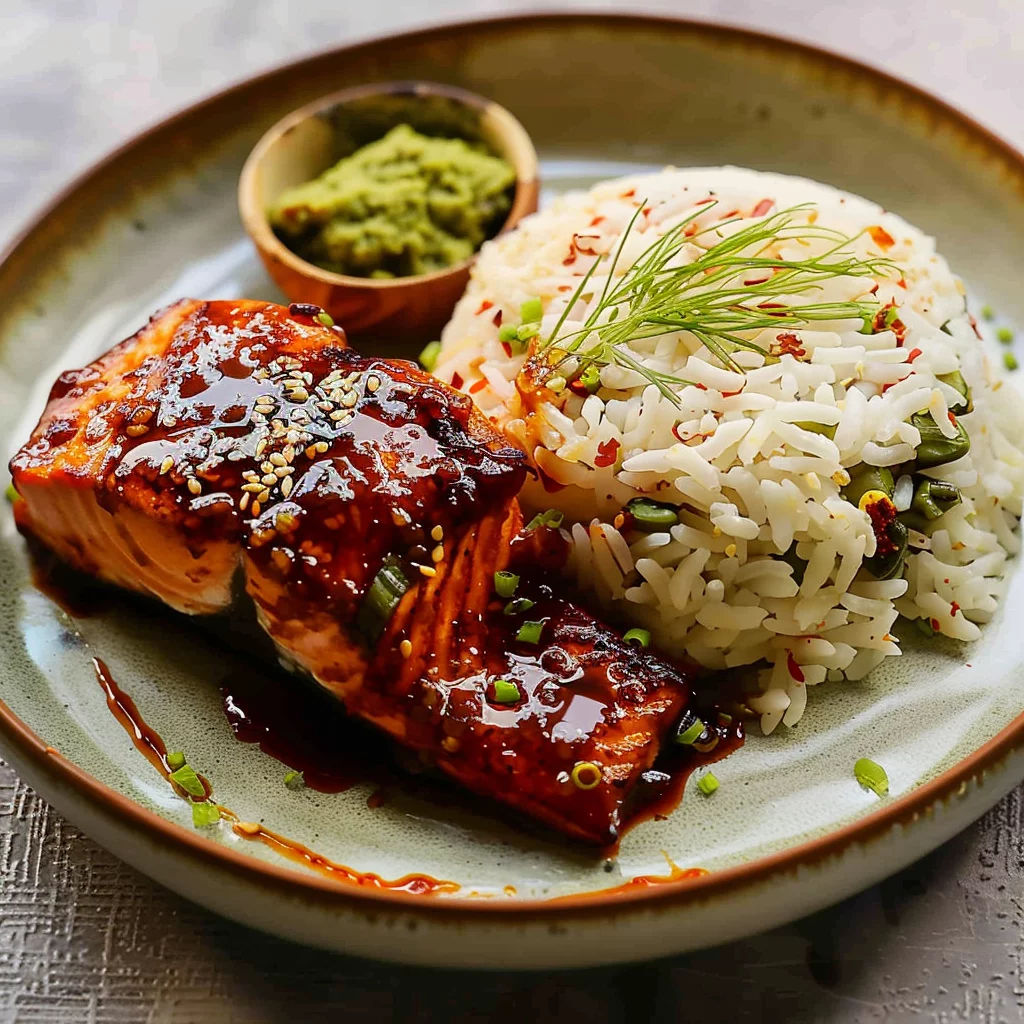
Gochujang Salmon With Pandan Rice
If you love this recipe, you might also enjoy other seafood delights like Cajun Butter Salmon or try making your own Easy Gochujang Sauce for other dishes.
Conclusion
Gochujang salmon with pandan rice is a celebration of bold flavors and simple preparation. The combination of spicy, sweet, and aromatic elements makes it a standout dish in any seafood lover’s repertoire. By following these techniques and tips, you can create a meal that is both delicious and visually stunning.
The dish’s versatility allows for easy adaptation, catering to various tastes and dietary needs. Whether you’re indulging in a cozy dinner at home or impressing guests, this recipe offers a delightful culinary experience. Explore the world of seafood with this fusion of Korean flavors and tropical aromas, and let it become a cherished addition to your dining table.
