
📑 Table of Contents ▶
- Easy Gochujang Jjigae
- Easy Gochujang Jjigae: Unveiling the Basics
- Fundamentals
- Preparation/Setup
- Mastering the Art of Gochujang Jjigae
- Technique
- Tips/Tricks
- Achieving Perfection in Gochujang Jjigae
- Perfecting Results
- Troubleshooting/Variations
- Serving and Enjoying Gochujang Jjigae
- Serving/Presentation
- Pairings/Storage
- Conclusion
- FAQs – Easy Gochujang Jjigae
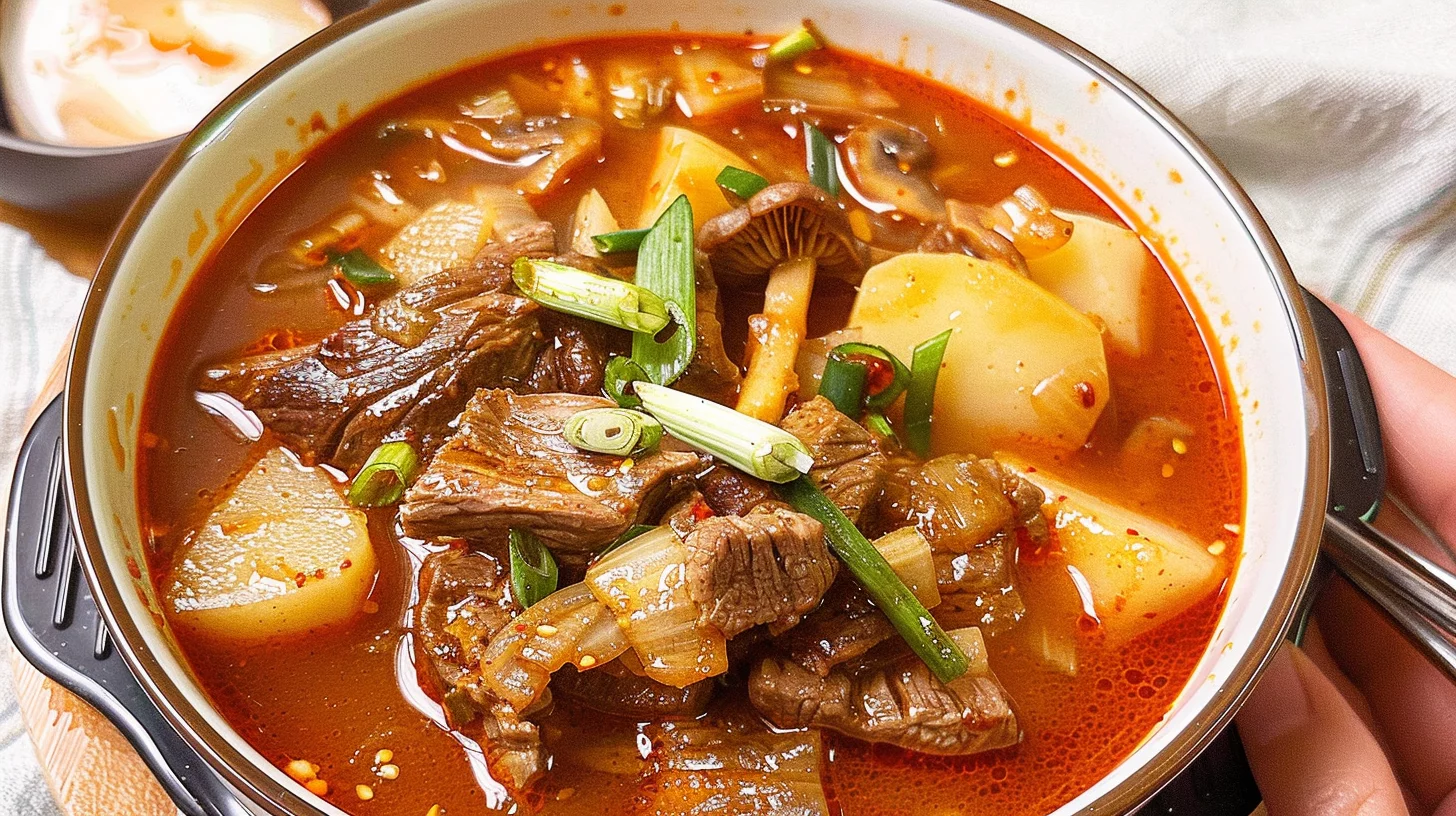
Welcome to my kitchen by the sea! There’s something incredibly comforting about a steaming bowl of Easy Gochujang Jjigae. Growing up near the coast, my evenings were often filled with the aroma of spicy stews simmering on the stove. This Korean classic brings back fond memories of family gatherings and shared meals. The robust flavor of gochujang adds a delightful twist to the traditional stew, making it a favorite in my home.
This Easy Gochujang Jjigae is a dish that has become a staple around our table, especially when the weather turns chilly. It’s the kind of meal that warms you from the inside out, perfectly balancing spice and savoriness. The blend of tender beef, earthy mushrooms, and spicy peppers creates a melody of flavors that’s hard to resist. It’s not just a dish; it’s an experience that transports you to the heart of Korean cuisine.
Cooking Easy Gochujang Jjigae is like bringing a bit of adventure into your kitchen. Whether you’re a seasoned cook or just starting out, this recipe offers a straightforward approach to creating something truly special. The secret lies in the combination of fresh ingredients and the rich, spicy kick of gochujang. If you’re ready to explore, join me in making this flavorful stew that promises to become a cherished part of your culinary repertoire.
Print
Easy Gochujang Jjigae
- Prep Time: 20 minutes
- Cook Time: 30 minutes
- Total Time: 50 minutes
- Yield: 4 servings
- Category: Main Course
- Method: Stir-Frying
- Cuisine: Korean
Description
Learn how to make delicious Easy Gochujang Jjigae with this simple recipe. Perfect for a quick and flavorful Korean-inspired meal at home!
Ingredients
- 2 stalks of Spring Onion (60g)
- 1/2 a whole Onion (100g)
- 1 medium-sized Potato (200g)
- 150–200 grams of Beef Cut (Ribeye or Sirloin is good) (Or use Chicken, Beef or Tofu)
- Small handful of Oyster Mushrooms
- 2 Shiitake Mushrooms
- 2 Cheongyang Chili Pepper (Or use 1 Jalapeno)
- 2 Tablespoons (30 ml) Vegetable Oil
- 2 Tablespoons (30 ml) Sesame Oil
- 4 Tablespoons (60 ml) Gochujang (Korean Red Chili Pepper Paste)
- 1 Tablespoon (15 ml) Gochugaru (Korean Red Chili Pepper Flakes)
- 2 1/2 Cups (600 ml) Water (Or use Anchovy-Kelp Broth)
- 2 Tablespoons (30 ml) Minced Garlic
- 2 Tablespoons (30 ml) Soup Soy Sauce (Or use regular Soy Sauce too)
- 1 Tablespoon (15 ml) Anchovy Fish Sauce (Or use any fish sauce)
- Small handful of Spring Onion Slices
- 8–9 cracks of Black Pepper
Instructions
- – 1 lb beef loin
- – 1/4 cup grape juice (60 ml)
- – 2 cloves garlic, minced
- – 1/2 tsp salt
- – 1/4 tsp black pepper
- – 1 tbsp vegetable oil (15 ml)
- – 2 sprigs fresh rosemary
- – 2/3 cup chicken broth (160 ml)
- – 2 tbsp butter (30 ml)
- – 1/4 cup grape juice (60 ml)
- – 1/4 cup heavy cream (60 ml)
Notes
Easy Gochujang Jjigae: Unveiling the Basics
Fundamentals
Easy Gochujang Jjigae is a harmonious blend of flavors that captures the essence of Korean comfort food. At its core, this stew features gochujang, a fermented Korean chili paste known for its unique blend of spicy, sweet, and savory notes. This ingredient is the heart of the dish, providing depth and richness that defines the stew.
The choice of protein is flexible; whether you opt for beef, chicken, or tofu, each brings its unique texture and taste to the stew. The addition of onions, spring onions, and shiitake mushrooms contributes to the umami profile, while Cheongyang chili peppers add a delightful heat. Potatoes offer a comforting, hearty element, balancing the spice with their creamy texture.
Preparation/Setup
Begin by gathering your ingredients, ensuring everything is fresh and ready to go. Slice the spring onions and onions, and cut the potato into bite-sized pieces. If you’re using beef, chicken, or tofu, slice them into thin strips for even cooking. Clean and slice the oyster and shiitake mushrooms, and have your gochujang and gochugaru within reach.
Heat vegetable oil in a large pot over medium heat, and sauté the onions until they become translucent. Add the minced garlic, stirring until fragrant. This forms the aromatic base of your Easy Gochujang Jjigae. Next, introduce the gochujang and gochugaru, stirring well to ensure they dissolve evenly into the oil, releasing their vibrant flavors.
Mastering the Art of Gochujang Jjigae
Technique
Once your aromatic base is ready, add your choice of protein and allow it to brown slightly, absorbing the rich flavors of the gochujang mixture. This step is crucial as it locks in the flavors, ensuring every bite of meat or tofu is infused with the spicy goodness of the stew.
Pour in the water or anchovy-kelp broth, then add the potato pieces. Bring the mixture to a gentle boil, allowing the potatoes to cook and soften. The starch from the potatoes will naturally thicken the stew, creating a luscious, hearty base. This is when the magic happens, as the flavors meld together, transforming into a comforting stew.
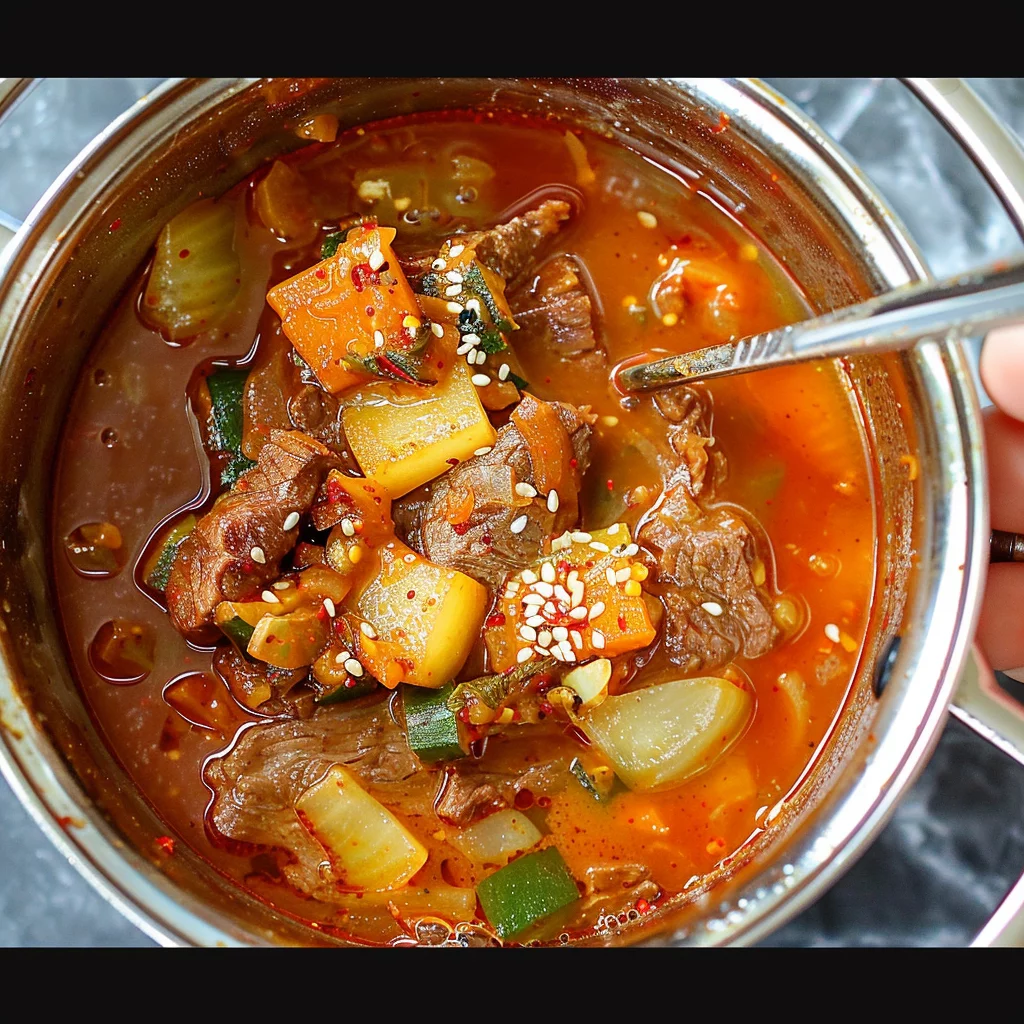
Easy Gochujang Jjigae
Tips/Tricks
For a more robust flavor, consider using anchovy-kelp broth instead of water. This traditional Korean broth enhances the umami profile of the stew, adding a depth that plain water cannot achieve. Additionally, adjust the level of spice by experimenting with the amount of gochugaru and chili peppers based on your preference.
To enhance the texture, try adding the mushrooms towards the end of cooking. This keeps them slightly firm, adding a delightful bite to your Easy Gochujang Jjigae. Remember to taste and adjust seasoning with soup soy sauce and fish sauce to achieve the perfect balance of salty, spicy, and umami flavors.
Achieving Perfection in Gochujang Jjigae
Perfecting Results
Perfecting Easy Gochujang Jjigae requires attention to detail and a willingness to experiment. Start by tasting your broth; the gochujang should be the star, supported by the savory notes from the soy sauce and fish sauce. The spice level should be just right, offering a pleasant warmth without overwhelming the palate.
Consider the texture of your stew. The potatoes should be soft but not mushy, contributing to the overall creaminess of the dish. The protein should be tender, absorbing the flavors of the stew, while the mushrooms add a pleasant earthiness. Each element should complement the other, creating a harmonious balance of flavors and textures.
Troubleshooting/Variations
If your stew lacks depth, try adding a touch more gochujang or a splash of fish sauce. For a milder version, reduce the amount of chili peppers or substitute with a milder variety like jalapeño. Experiment with additional vegetables like zucchini or carrots for added texture and flavor.
If you encounter issues with consistency, remember that the stew will thicken as it cools. If it’s too thick, simply add a bit more broth or water to adjust. For a richer taste, drizzle a bit of sesame oil towards the end of cooking, enhancing the nuttiness and adding a glossy finish to your Easy Gochujang Jjigae.
Serving and Enjoying Gochujang Jjigae
Serving/Presentation
Serve your Easy Gochujang Jjigae in a deep, wide bowl, allowing the vibrant red broth to stand out. Garnish with a handful of sliced spring onions and a few cracks of black pepper for a fresh, peppery finish. The bright green of the onions contrasts beautifully with the rich, red broth, creating a visually appealing dish.
Pair your stew with a side of steamed rice, which complements the spicy flavors and helps balance the heat. The rice acts as a neutral base, allowing the complex flavors of the jjigae to shine. For a complete meal, consider serving it alongside kimchi or pickled vegetables, adding a tangy crunch to each bite.
Pairings/Storage
Easy Gochujang Jjigae pairs well with traditional Korean banchan, or side dishes, such as seasoned bean sprouts, spinach, or seaweed salad. These light, refreshing sides complement the hearty stew, offering a balanced meal. For storage, allow the stew to cool completely before transferring it to an airtight container. It can be stored in the refrigerator for up to three days, or frozen for longer periods.
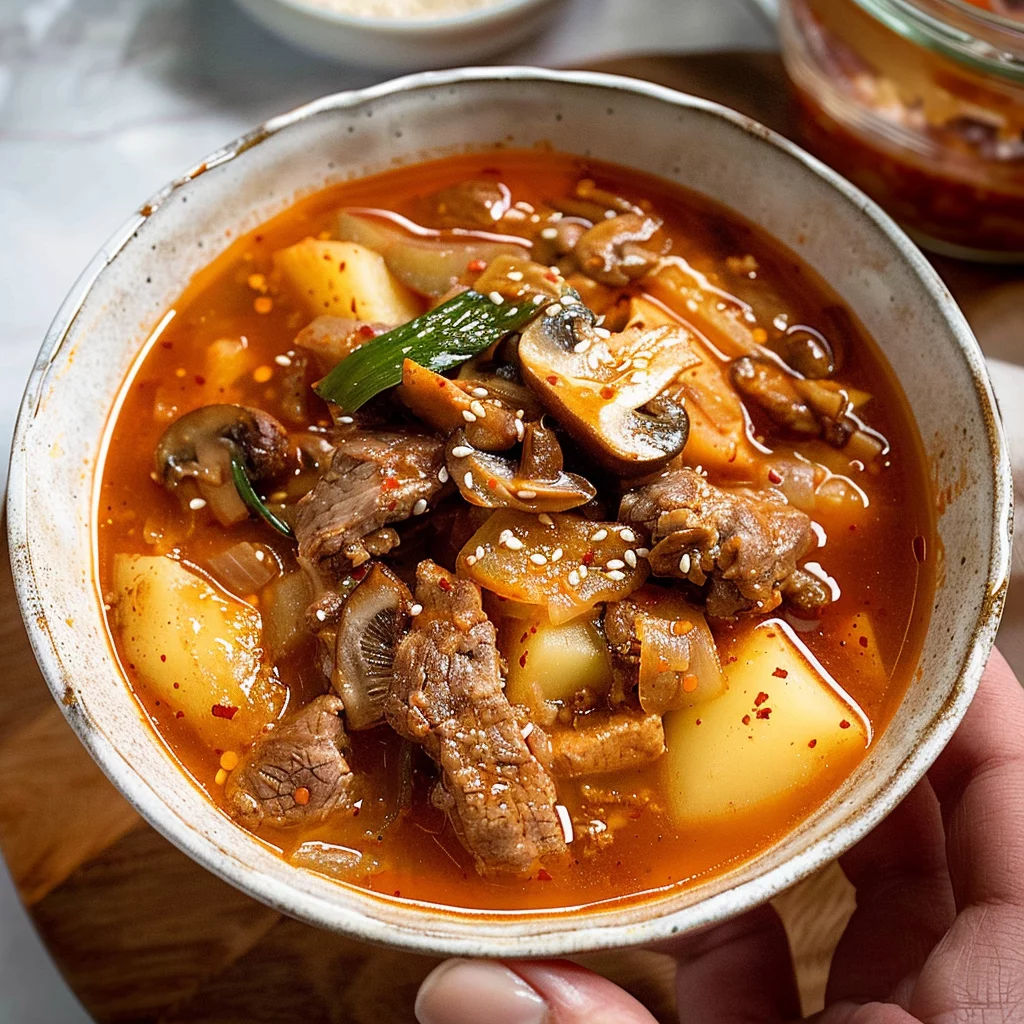
Easy Gochujang Jjigae
Reheat gently on the stove, adding a splash of water or broth if necessary to loosen the consistency. The flavors will deepen over time, making leftovers even more delicious. Whether you’re enjoying it fresh or as a leftover, Easy Gochujang Jjigae remains a satisfying and flavorful dish that’s sure to delight.
Conclusion
Easy Gochujang Jjigae is more than just a meal; it’s a culinary adventure that brings a taste of Korea into your kitchen. The fusion of gochujang with fresh ingredients creates a stew that’s as comforting as it is flavorful. Each spoonful offers a delightful balance of spice, savoriness, and umami, making it a dish that’s sure to impress.
The flexibility of this recipe allows you to tailor it to your taste, whether you prefer a spicier kick or a milder version. With simple ingredients and straightforward techniques, you can create a dish that captures the essence of Korean cooking. Easy Gochujang Jjigae is a testament to the power of spices and fresh produce, proving that a few key ingredients can create something truly extraordinary.
As you savor this delicious stew, you’ll appreciate the warmth and comfort it brings, turning any meal into a memorable experience. Whether you’re a seasoned cook or new to Korean cuisine, Easy Gochujang Jjigae is a recipe that invites you to explore, enjoy, and share the joy of cooking with others.
