
📑 Table of Contents ▶
Mahi Mahi Recipe
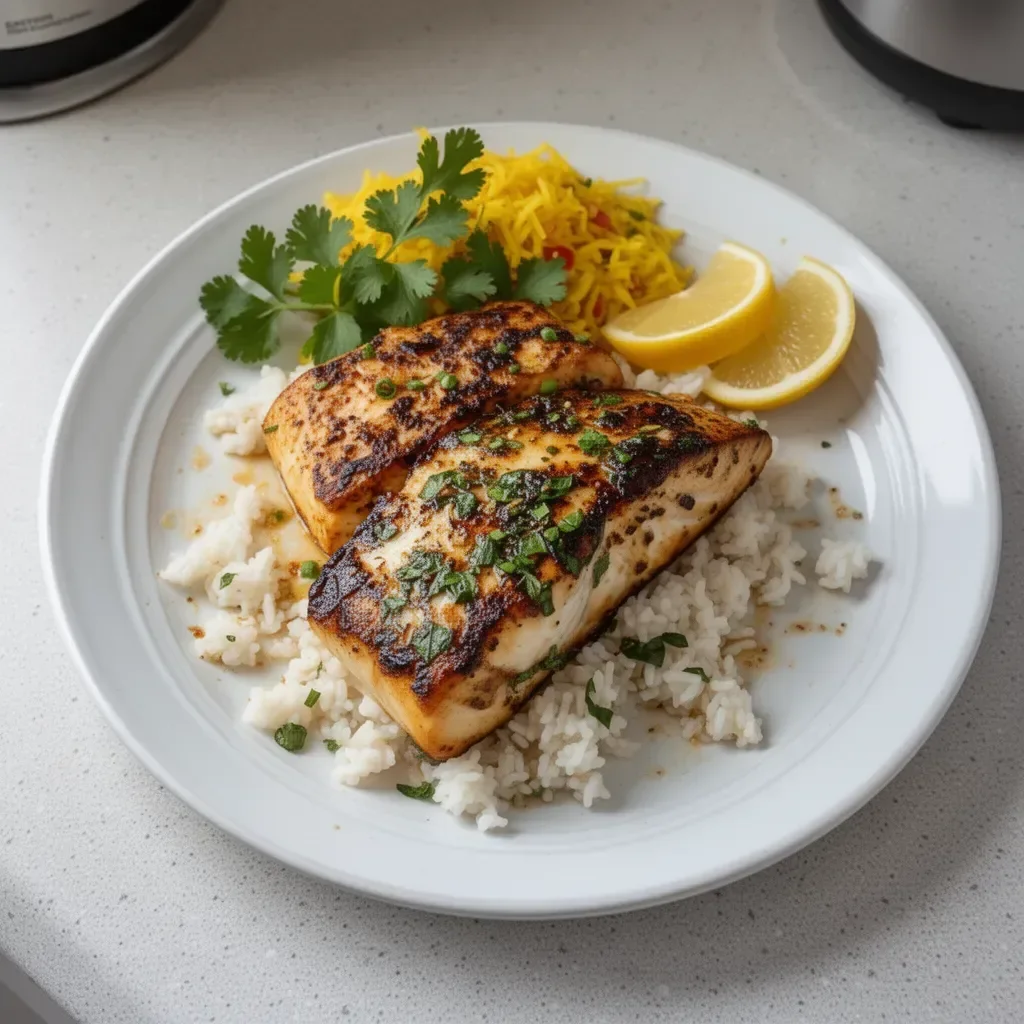
Experiencing the fresh ocean breeze and the delightful sound of waves evokes fond memories of grilling mahi mahi by the beach. The sweet fragrance of the fish mingling with citrusy marinades creates an unforgettable sensory experience. This mahi mahi recipe perfectly captures that essence, bringing the flavors of the seaside right to your kitchen table.
Ideal for a casual weeknight dinner or a special gathering, this dish showcases the succulent texture of mahi mahi, complemented by a vibrant marinade. The combination of lemon and lime juices creates a zesty profile that brightens up any meal. With 4 mahi mahi fillets, this recipe offers a simple yet satisfying way to enjoy seafood that feels indulgent without being overly complicated.
As you prepare the marinade and grill the fish, take a moment to appreciate the process. Cooking seafood offers a unique connection to the ocean and its bounty. Each delicate fillet promises a juicy and flavorful bite, making it the star of the dish. Let the tantalizing aroma fill your home, and prepare for a culinary adventure that highlights the best of mahi mahi.
Mahi Mahi Fundamentals
Fundamentals
Understanding mahi mahi makes cooking this beautiful fish a breeze. Known for its mild flavor and flaky texture, mahi mahi enjoys a reputation as a favorite among seafood lovers. When selecting your mahi mahi fillets, freshness is key—look for fillets that are firm to the touch and free of any fishy odor.
You can choose to leave the skin on for grilling, which helps keep the fish moist. Skin-on fillets also provide an extra layer of flavor. Alternatively, opting for skin-off offers easier serving and a more refined appearance. Whichever option you select, ensure your fillets weigh around 6 ounces each for even cooking.
Preparation/Setup
Effective preparation sets the stage for cooking delicious mahi mahi. Begin by gathering your tools— a medium bowl for mixing the marinade, a whisk, a shallow dish or zip-top bag for marinating, and a grill pan or outdoor grill set to medium-high heat. A heavy skillet also works well if you prefer stovetop cooking.
Your prep adventure begins with measuring and combining your ingredients for the marinade. The combination of fresh lemon juice and lime juice creates a vibrant base, while extra-virgin olive oil adds richness. Add soy sauce for depth, and minced garlic for that alluring aroma. Finally, a touch of honey or agave nectar balances the citrus tang, ensuring your mahi mahi is perfectly seasoned.
Ingredients
Here’s what you’ll need for your mahi mahi:
- 4 mahi mahi fillets (6 oz each, skin on or off)
- 1/4 cup fresh lemon juice (about 2 lemons)
- 2 tbsp fresh lime juice (1 lime)
- 3 tbsp extra-virgin olive oil (or avocado oil for high-heat)
- 1 tsp soy sauce (use Tamari for gluten-free)
- 2 cloves garlic (minced or 1 tsp garlic paste)
- 1 tsp honey or agave nectar (optional)
- 1 tsp sea salt (adjust to taste)
- 1/2 tsp freshly cracked black pepper
- 1/4 tsp smoked paprika (or sweet paprika for a gentler touch)
- 2 tbsp chopped fresh cilantro or parsley (for garnish)
- Lemon wedges (for serving)
Directions
- In a medium bowl, combine the lemon juice, lime juice, olive oil, soy sauce, honey, garlic, salt, pepper, and smoked paprika. Whisk until smooth, tasting as you go to adjust the flavors.
- Place the mahi mahi fillets in a shallow dish or zip-top bag and pour the marinade over, ensuring even coverage.
- Refrigerate for 15–20 minutes, allowing the fish to absorb flavor. Avoid longer marination times as the acid can start cooking the fish.
- Heat your grill pan or outdoor grill to medium-high (about 400°F) or warm a heavy skillet over medium heat. Brush the grates or pan with oil to prevent sticking.
- Remove the fillets from the marinade, allowing excess marinade to drip off. Lay the fish flesh-side down on the hot surface.
- Cook for 3–4 minutes without moving, aiming for golden grill marks or a nice crust.
- Carefully flip with a spatula and cook for an additional 2–3 minutes until the fish flakes easily and reaches an internal temperature of 145°F. An instant-read thermometer is helpful here.
- Transfer cooked fillets to a plate, tent loosely with foil, and let rest for 2 minutes. Sprinkle with cilantro or parsley and serve with lemon wedges.
Grilling Techniques with Mahi Mahi
Technique
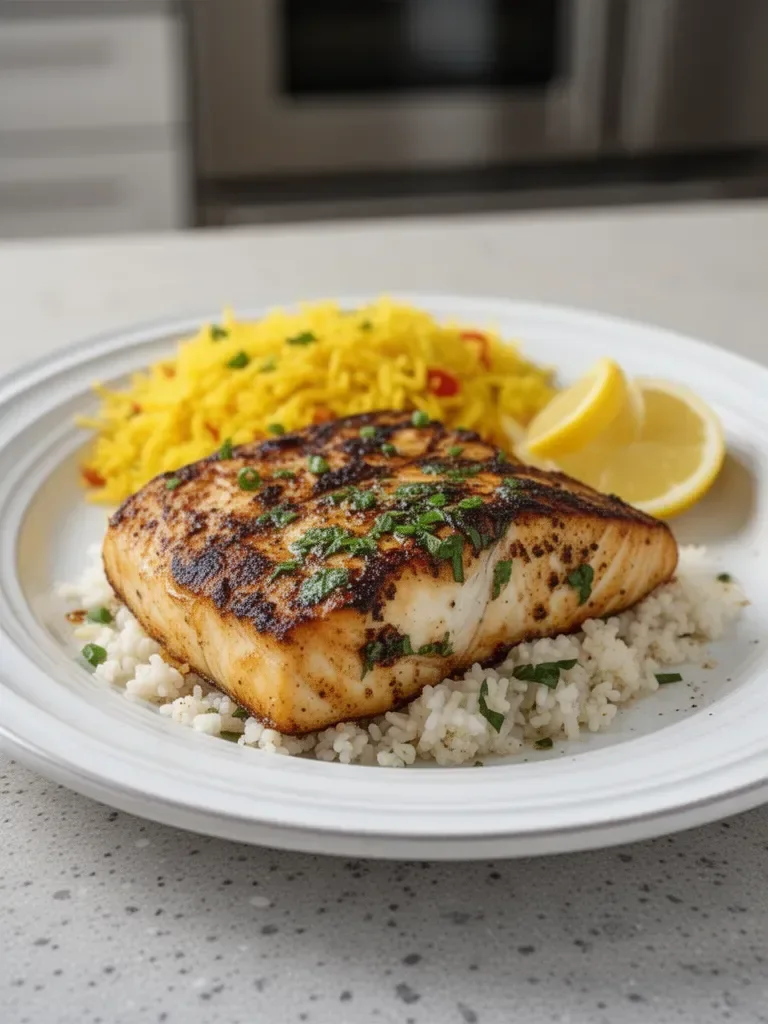
Grilling mahi mahi opens up a world of flavor possibilities. Mastering the technique requires attention to temperature and timing. Preheating your grill or pan to the right temperature creates that coveted sear. Aim for a medium-high setting—this ensures the fish cooks evenly without drying out.
A well-oiled surface prevents sticking and helps achieve beautiful grill marks. For added flavor, consider placing the fillets skin-side down first when grilling. This method locks in moisture and allows the skin to crisp, which enhances the textural contrast.
Tips/Tricks
When grilling mahi mahi, consistency is vital for perfect results. One helpful trick is to use a fish spatula. This tool allows you to gently flip the fillets while maintaining their integrity. If you find your fish sticking, avoid forcibly flipping it—wait a few moments longer until it naturally releases from the grill.
Timing is critical for cooking mahi mahi. Take a moment to attentively monitor the internal temperature, as cooking too long can lead to dryness. When the flesh is opaque and easily flakes with a fork, it is ready to savor.
Perfecting Your Mahi Mahi
Perfecting Results
After grasping the basic techniques, focus on perfecting your mahi mahi dish. Experimenting with marinades creates opportunities for unique flavor profiles. For instance, try adding ginger for a kick or using different herbs to personalize the experience. Fresh ingredients elevate every bite, ensuring your meal remains exciting.
Timing during cooking is equally significant. Once you achieve beautiful grill marks, flip the fillets gently. The key is to allow the fish to finish cooking through residual heat. As it rests, the juices redistribute, leading to an exceptionally moist result.
Troubleshooting/Variations
Even the best cooks encounter challenges. If your mahi mahi ends up overcooked, consider serving it with a flavorful sauce or fresh salsa to balance the texture. Incorporating a mango salsa can introduce sweet notes that brighten the whole dish.
On the other hand, if you feel your fish lacks flavor, revisit your marinade. Customizing with your favorite herbs or spices can transform the dish. Don’t hesitate to taste and adjust as you go for the best results.
Serving and Storing Mahi Mahi
Serving/Presentation
Beautiful presentation enhances your mahi mahi dish. Serving on a large platter allows for an inviting, family-style meal. Garnishing with chopped cilantro or parsley brightens the look while adding an aromatic element. Serve the grilled fish with lemon wedges for an extra citrusy touch and vibrant color.
To elevate the dining experience, pair your mahi mahi with colorful sides like grilled vegetables or a refreshing salad. Presenting a variety of textures and flavors creates a well-balanced meal that your guests will love.
Pairings/Storage
Mahi mahi pairs wonderfully with a variety of sides that highlight its delicate flavor. Consider serving options like quinoa, brown rice, or a vibrant cucumber salad. Each accompaniment adds depth while allowing the fish to shine.
Storing leftover mahi mahi should be straightforward. Wrap any uneaten fillets in airtight containers and refrigerate for up to two days. When reheating, keep the temperature low to avoid drying out the fish. Enjoying the freshness of seafood is essential, so indulge in any leftovers within a reasonable timeframe.
Properly handled, mahi mahi can elevate any meal, whether for a special occasion or a casual dinner. Embrace the flavors, techniques, and love of cooking that this delightful fish inspires.
Print
Grilled Mahi Mahi with Citrus Marinade
- Prep Time: 20 minutes
- Cook Time: 8 minutes
- Total Time: 28 minutes
- Yield: 4 servings
- Category: Main Course
- Method: Grilling
- Cuisine: Seafood
- Diet: Paleo
Description
This grilled mahi mahi recipe features a zesty citrus marinade that enhances the fish’s natural flavors.
Ingredients
- 4 mahi mahi fillets (6 oz each, skin on or off)
- 1/4 cup fresh lemon juice (about 2 lemons)
- 2 tbsp fresh lime juice (1 lime)
- 3 tbsp extra-virgin olive oil (or avocado oil for high-heat)
- 1 tsp soy sauce (use Tamari for gluten-free)
- 2 cloves garlic (minced or 1 tsp garlic paste)
- 1 tsp honey or agave nectar (optional)
- 1 tsp sea salt (adjust to taste)
- 1/2 tsp freshly cracked black pepper
- 1/4 tsp smoked paprika (or sweet paprika for a gentler touch)
- 2 tbsp chopped fresh cilantro or parsley (for garnish)
- Lemon wedges (for serving)
Instructions
- Combine the lemon juice, lime juice, olive oil, soy sauce, honey, garlic, salt, pepper, and smoked paprika in a medium bowl. Whisk until smooth, tasting as you go to adjust the flavors.
- Place the mahi mahi fillets in a shallow dish or zip-top bag and pour the marinade over, ensuring even coverage.
- Refrigerate for 15–20 minutes, allowing the fish to absorb flavor. Avoid longer marination times as the acid can start cooking the fish.
- Heat your grill pan or outdoor grill to medium-high (about 400°F) or warm a heavy skillet over medium heat. Brush the grates or pan with oil to prevent sticking.
- Remove the fillets from the marinade, allowing excess marinade to drip off. Lay the fish flesh-side down on the hot surface.
- Cook for 3–4 minutes without moving, aiming for golden grill marks or a nice crust.
- Carefully flip with a spatula and cook for an additional 2–3 minutes until the fish flakes easily and reaches an internal temperature of 145°F.
- Transfer cooked fillets to a plate, tent loosely with foil, and let rest for 2 minutes. Sprinkle with cilantro or parsley and serve with lemon wedges.
Notes
Try customizing the marinade with your favorite herbs or spices for a unique twist.
