
📑 Table of Contents ▶
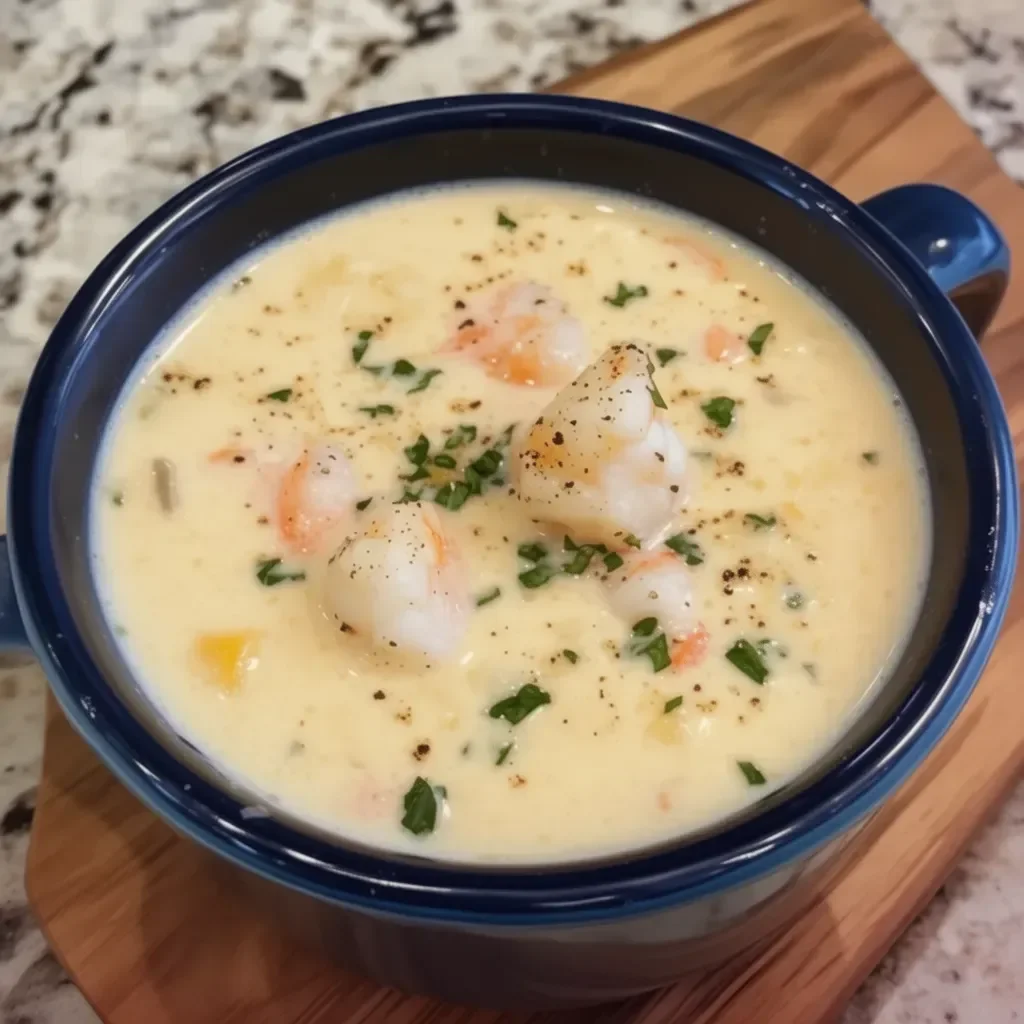
Shrimp Chowder
Creating shrimp chowder in my kitchen always brings back fond memories of my childhood. Growing up near the coast, fresh seafood was a staple in our household. On chilly evenings, I often found myself enjoying a warm bowl of chowder, its comforting aroma filling the air. The blend of tender shrimp with rich creaminess never failed to make me feel cozy and content.
Shrimp chowder embodies all those nostalgic comforts. The satisfaction of combining flavors and textures captivates me each time I prepare this dish. The crunch of vegetables against the softness of potatoes and shrimp creates a delightful experience. It is perfect for family dinners and impressing guests alike.
Every spoonful reveals layers of flavor, complemented by hints of herbs and spices. This chowder remains a beloved recipe, reminding me of both home and the sea. Whether you’re creating new memories or reliving old ones, shrimp chowder delivers warmth and joy in each bite.
Part 1 — Understanding Shrimp Chowder
Fundamentals
Shrimp chowder combines fresh seafood and rich cream for a comforting bowl of goodness. Different regions may offer variations, influenced by local ingredients and culinary traditions. However, at its core, shrimp chowder includes seafood, creamy broth, and hearty vegetables, making it a versatile choice for many occasions.
Utilizing seasonal ingredients elevates the experience. Fresh corn, for example, adds sweetness and texture. Sourcing shrimp directly from local markets ensures the best flavor. Indeed, the essence of shrimp chowder lies in the quality of its ingredients.
This dish not only satiates hunger; it also delivers nutritional benefits. Packed with protein and vitamins from vegetables, shrimp chowder is both delicious and nourishing. It harmoniously balances flavors, providing a satisfying meal for anyone who enjoys a seafood experience.
Preparation/setup
Begin with a clean, organized workspace to streamline the cooking process. Gather all the ingredients, including olive oil, butter, fresh vegetables, and shrimp. Having everything within reach makes the process efficient and enjoyable.
Chop the vegetables beforehand, allowing them to release their flavors as you cook. The onion, celery, carrot, and garlic form the aromatic base of the chowder. Prepare the shrimp by peeling and deveining it, ensuring it is ready to cook.
A heavy-bottomed pot is essential for even heat distribution, preventing any scorching. Prepping your pot and gathering the ingredients sets you up for success, making the cooking experience effortless and rewarding.
Ingredients
- 1 tablespoon olive oil
- 1 tablespoon butter
- 1 small onion, finely chopped
- 2 celery stalks, diced
- 1 carrot, peeled and diced
- 3 garlic cloves, minced
- 1/4 cup all-purpose flour
- 4 cups seafood or chicken broth
- 2 medium russet potatoes, peeled and diced
- 1 cup corn (fresh, frozen, or canned)
- 1 teaspoon Old Bay seasoning
- 1/2 teaspoon dried thyme
- Salt and black pepper, to taste
- 1 pound raw shrimp, peeled and deveined, cut in halves or thirds if large
- 1 cup heavy cream
- 1/2 cup whole milk
- 2 tablespoons chopped fresh parsley
Directions
In a large heavy-bottomed pot, heat the olive oil and butter over medium heat. Once the butter melts and the oil is hot, add the onion, celery, and carrot. Carefully cook for 5 to 7 minutes until the vegetables become soft and fragrant. Stir in the garlic and cook for an additional minute.
Sprinkle the flour over the vegetables and stir constantly for about 2 minutes. This creates a light roux that will help thicken the chowder. The mixture will look thick and slightly pasty.
Slowly pour in the broth, stirring continuously to prevent any lumps from forming. Bring the mixture to a gentle boil, creating a smooth and flavorful base for your chowder.
Add the diced potatoes, corn, Old Bay seasoning, thyme, salt, and pepper. Reduce the heat to a simmer and let the chowder bubble gently for 15 to 20 minutes. The potatoes should become fork-tender, creating a hearty and satisfying texture.
Gently add the shrimp and simmer for 3 to 5 minutes. Watch carefully as the shrimp turn pink and cook through. Be careful not to overcook, as this can make the shrimp tough and rubbery.
Stir in the heavy cream and milk, allowing the chowder to warm through. Remember not to boil the chowder at this stage – just let it get nice and cozy.
Taste and adjust the seasoning as needed. The flavors should be rich, balanced, and deeply satisfying. Finish the chowder with a sprinkle of fresh parsley, adding a pop of color and fresh flavor.
Part 2 — Perfecting Shrimp Chowder
Technique
Producing the ideal shrimp chowder involves mastering cooking techniques. Start by sautéing the vegetables carefully; this enhances their natural sweetness and depth of flavor. The layering of ingredients creates a robust base that elevates the entire dish.
Utilize a cautious approach when adding the broth. Gradually introducing it into the roux prevents clumping, resulting in a velvety texture. Stirring continuously ensures smooth integration of all ingredients, creating that signature chowder consistency.
Take note of timing when cooking shrimp. They cook quickly; the moment they turn pink, they are done. Overcooked shrimp detract from the overall dish, leading to rubbery texture. Aim for those perfectly cooked, tender bites.
Tips/tricks
For an extra touch of flavor, consider adding a splash of lemon juice or zest just before serving. This brightens the overall taste and adds an aromatic freshness. Additionally, feel free to experiment with different spices based on personal preferences.
When using frozen corn, it’s best to thaw it beforehand to prevent the dish from becoming too watery. Canned corn requires minimal preparation, and both options work well in this chowder.
If you prefer a thicker chowder, increase the amount of flour used for the roux. Alternatively, you can reduce the amount of broth slightly to achieve a richer consistency.
Part 3 — Enhancing Shrimp Chowder
Perfecting results
Achieving the perfect shrimp chowder requires practice and attention. Using fresh, high-quality ingredients contributes significantly to the flavor. Fresh shrimp stands out in taste, while fresh herbs enhance aroma and brightness.
Consider the balance of flavors; the combination of sweet corn, creamy texture, and spiced shrimp creates a harmonious dish. Adjust seasoning based on personal preference, ensuring that each bowl tastes just right.
Once you find your perfect ratio of ingredients, replicate it consistently. Document any modifications you make to ensure future chowder experiences match your desired outcome.
Troubleshooting/variations
If the chowder turns out grainy, overcooked flour might be the culprit. Make sure to sauté the flour until just lightly golden, then slowly integrate the broth. This practice should prevent any graininess and maintain smoothness.
For a different twist, consider adding other seafood, such as clams or crab. These additions will certainly change the flavor profile, offering a new culinary experience each time.
In case you want a healthier alternative, substitute heavy cream with a lighter option, like coconut milk. This adjustment can add both richness and nutrition while modifying the flavor entirely.
Part 4 — Serving Shrimp Chowder
Serving/presentation
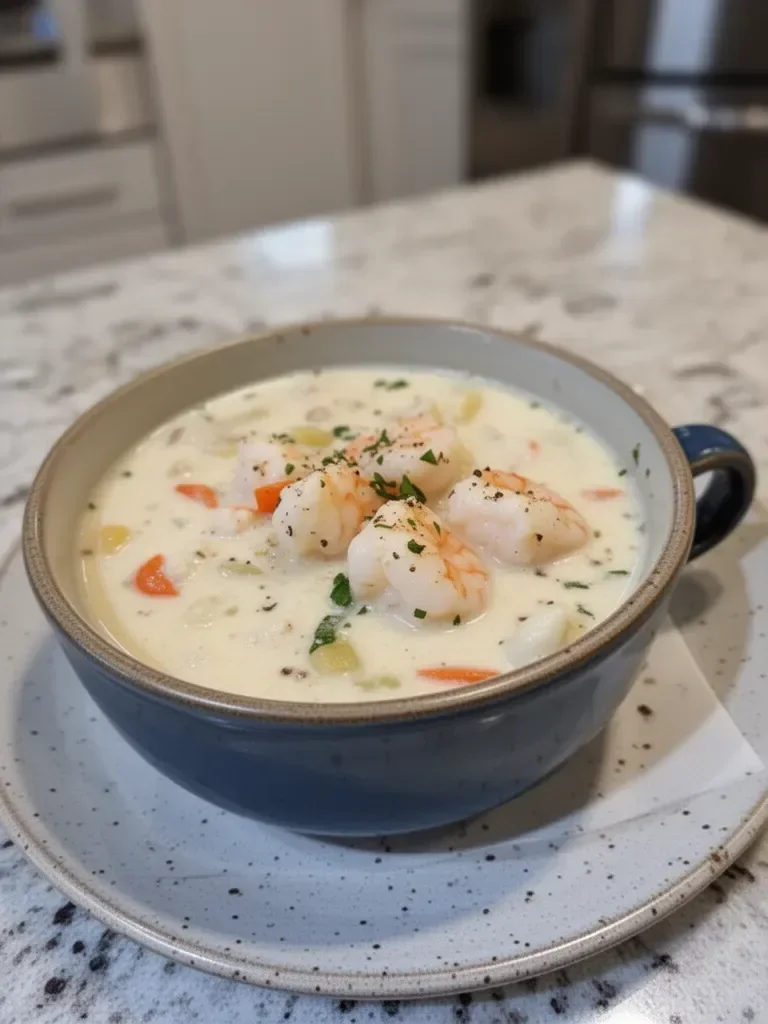
Serving shrimp chowder elegantly can enhance the dining experience. Ladle the chowder into warm bowls to maintain its temperature while showcasing the vibrant ingredients. A sprinkle of fresh parsley on top adds a pop of color and freshness.
For extra garnish, consider adding croutons or thinly sliced green onions to elevate the texture and presentation. Providing crusty bread on the side allows for an enjoyable dipping option as well.
Encapsulating the essence of coastal living in each bowl, shrimp chowder offers comfort and satisfaction. The thoughtfulness put into each serving transforms a simple dish into a delightful seafood experience.
Pairings/storage
Pair shrimp chowder with simple sides like a fresh salad or crusty bread for a balanced meal. The bread serves as a perfect vessel for scooping up the rich chowder, enhancing the overall experience.
Leftovers store well in the refrigerator for 2–3 days. When reheating, use low heat to prevent overcooking the shrimp. Alternatively, consider freezing the chowder if you want to create a stash for future meals. This practice preserves flavors and makes future dinners effortless.
Shrimp chowder creates deliciousness that resonates with nostalgia and satisfaction.
Conclusion
Shrimp chowder provides a satisfying blend of flavors and textures, making it a versatile recipe for any occasion. With fresh ingredients and careful techniques, the outcome offers warmth and richness that feels like home. Each bowl celebrates the coastal roots that inspire this dish, inviting you to savor every moment. Explore creativity in crafting the perfect shrimp chowder while cherishing the experiences associated with each cherished recipe.
Print
Shrimp Chowder
- Prep Time: 15 minutes
- Cook Time: 30 minutes
- Total Time: 45 minutes
- Yield: 4 servings
- Category: Main Course
- Method: Stovetop
- Cuisine: Seafood
- Diet: Pescatarian
Description
A comforting shrimp chowder that brings back childhood memories, combining fresh seafood with rich creaminess for a satisfying meal.
Ingredients
- 1 tablespoon olive oil
- 1 tablespoon butter
- 1 small onion, finely chopped
- 2 celery stalks, diced
- 1 carrot, peeled and diced
- 3 garlic cloves, minced
- 1/4 cup all-purpose flour
- 4 cups seafood or chicken broth
- 2 medium russet potatoes, peeled and diced
- 1 cup corn (fresh, frozen, or canned)
- 1 teaspoon Old Bay seasoning
- 1/2 teaspoon dried thyme
- Salt and black pepper, to taste
- 1 pound raw shrimp, peeled and deveined, cut in halves or thirds if large
- 1 cup heavy cream
- 1/2 cup whole milk
- 2 tablespoons chopped fresh parsley
Instructions
- Heat the olive oil and butter in a large heavy-bottomed pot over medium heat.
- Add the onion, celery, and carrot; cook for 5 to 7 minutes until soft and fragrant.
- Stir in the garlic and cook for an additional minute.
- Sprinkle the flour over the vegetables, stirring constantly for 2 minutes to create a light roux.
- Pour in the broth slowly, stirring continuously to avoid lumps; bring to a gentle boil.
- Add the potatoes, corn, Old Bay seasoning, thyme, salt, and pepper; reduce heat to a simmer for 15 to 20 minutes.
- Gently add the shrimp and simmer for 3 to 5 minutes until pink.
- Stir in the heavy cream and milk; warm through without boiling.
- Taste and adjust seasoning if necessary; finish with parsley.
Notes
For extra flavor, add lemon juice before serving. Use fresh ingredients for best results.
