
📑 Table of Contents ▶
- Shrimp Chow Mein
- Shrimp Chow Mein: Getting Started
- Fundamentals
- Preparation/Setup
- Mastering the Art of Shrimp Chow Mein
- Technique
- Tips/Tricks
- Perfecting Your Shrimp Chow Mein
- Perfecting Results
- Troubleshooting/Variations
- Serving and Storing Shrimp Chow Mein
- Serving/Presentation
- Pairings/Storage
- Conclusion
- FAQs – Shrimp Chow Mein
Growing up near the coast, I’ve always had a deep love for seafood. The aroma of fresh shrimp sizzling in a pan could instantly transport me back to my childhood kitchen. My mother would often whip up a quick Shrimp Chow Mein on busy weeknights, and the combination of tender shrimp and perfectly seasoned noodles remains one of my favorite meals.
There’s something incredibly satisfying about the way Shrimp Chow Mein brings together simple ingredients to create a dish that’s both comforting and packed with flavor. The process of making this dish is as enjoyable as eating it, with vibrant vegetables and succulent shrimp coming together in a delightful harmony.
In my own kitchen, I strive to recreate this magic, ensuring each bite is as flavorful as I remember. The key is in the balance of textures and flavors, from the crunch of fresh vegetables to the savory sauce enveloping the noodles. Let’s explore the wonderful world of Shrimp Chow Mein together, keeping the tradition alive with every delicious forkful.
Print
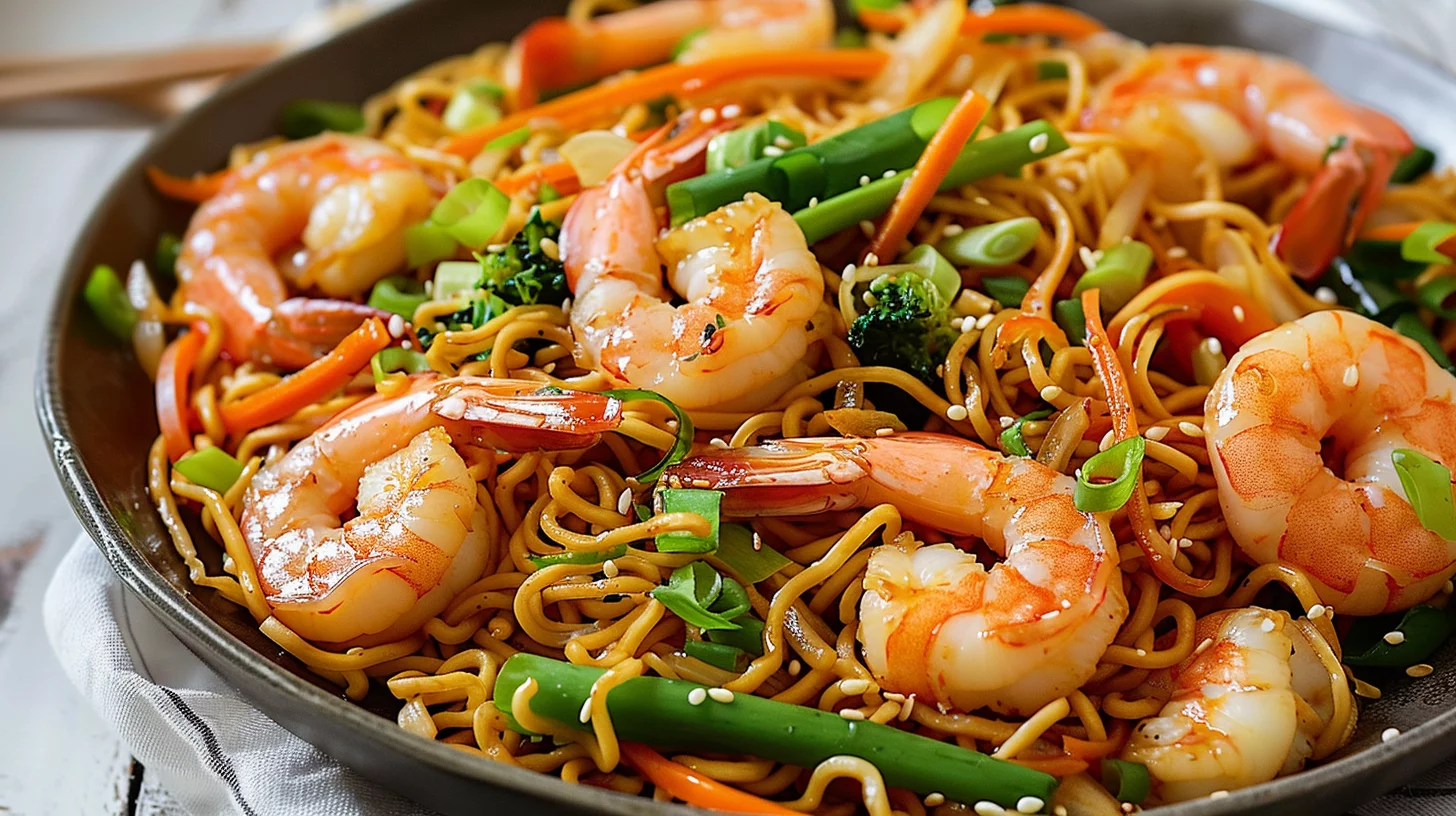
Shrimp Chow Mein
- Prep Time: 20 minutes
- Cook Time: 15 minutes
- Total Time: 35 minutes
- Yield: 4 servings
- Category: Main Course
- Method: Stir-Frying
- Cuisine: Asian
Description
Discover how to make delicious Shrimp Chow Mein at home with this easy recipe. Learn the secrets to perfecting this popular Chinese noodle dish today!
Ingredients
- – 250g / 1/2 lbs Asian medium egg noodles, or spaghetti
- – 2 tbsp (30 ml) vegetarian oyster sauce
- – 2 tbsp (30 ml) rice vinegar (Chinese cooking wine) or dry sherry
- – 1 tbsp (15 ml) dark soy sauce
- – 1-2 tsp (8 ml) sesame oil
- – 2 tsp (10 ml) honey, or sugar
- – 1/2 tsp (3 ml) white pepper
- – 2 tbsp (30 ml) vegetable oil
- – 450g / 1 lbs shrimp, peeled and deveined
- – 2 cloves garlic
- – 1 tbsp (15 ml) ginger paste, or grated ginger
- – 1 carrot, cut into matchsticks
- – 200g / 7 oz broccoli, 1 small head, broken into florets
- – 70g / 1/2 cup cabbage, shredded
- – 50g / 1/2 cup snow peas, cut in half lengthwise
- – 4 green onions, white parts sliced, and green parts cut into 3 inch pieces
Instructions
- Cook the noodles and broccoli together in boiling water, then drain, rinse, and set the noodles aside. (Dried egg noodles typically need about 3-4 minutes to cook.)
- While the noodles are cooking, prepare the vegetables: cut the carrot into thin strips, shred the cabbage, chop the white parts of the green onions into 3-inch pieces, and slice the snow peas lengthwise in half.
- Combine the oyster sauce, rice vinegar, dark soy sauce, honey, white pepper, and sesame oil to create the sauce.
- Use 2 tablespoons of this sauce to marinate the shrimp until needed; keep the remaining sauce for later use.
- Warm 1 tablespoon of vegetable oil in a large frying pan or wok, and cook the shrimp over medium-high heat until just cooked through, about 1 or 2 minutes per side, depending on their size. Remove the shrimp and set them aside on a separate plate.
- In the same pan, add another tablespoon of oil, then sauté the chopped white onion parts, garlic, and ginger for about 30 seconds over medium heat. Next, add the carrot strips, broccoli florets, shredded cabbage, snow peas, and green onion pieces, and stir-fry for 2-3 minutes until the vegetables are tender yet crisp. Transfer them to the plate with the shrimp.
- Return the noodles to the pan along with the green onions and pour in the sauce. Toss the noodles to ensure they are evenly coated and heated through. Add the shrimp and vegetables back into the pan, mix everything together, and let the stir-fry warm up before serving.
Notes
- Consider using a higher quality sesame oil for a more flavorful dish.
- Add bell peppers or mushrooms for extra color and nutrients.
- Adjust honey or sugar to suit your desired level of sweetness.
Shrimp Chow Mein: Getting Started
Fundamentals
Shrimp Chow Mein is a classic dish that combines noodles, shrimp, and an array of vibrant vegetables. The dish is celebrated for its balanced flavors and textures, making it a favorite in many households. The noodles form the base, while the shrimp and vegetables add a fresh, hearty element to the dish.
The secret to a great Shrimp Chow Mein lies in the sauce. A blend of vegetarian oyster sauce, rice vinegar, dark soy sauce, and sesame oil gives the dish its signature taste. This sauce not only coats the noodles but also enhances the natural flavors of the shrimp and vegetables.
Preparation/Setup
Before you begin cooking, it’s essential to have all ingredients prepped and ready. Start by cooking the noodles and broccoli together until just tender. Drain and set them aside. While the noodles are cooking, slice the vegetables and prepare the sauce. This ensures a smooth cooking process when it’s time to stir-fry.
Marinate the shrimp in a portion of the prepared sauce. This step infuses the shrimp with deep, savory flavors before they hit the pan. Setting up your mise en place, or everything in its place, makes the actual cooking quick and efficient.
Mastering the Art of Shrimp Chow Mein
Technique
Cooking Shrimp Chow Mein involves a few key techniques to ensure everything comes together perfectly. Stir-frying is the primary method, requiring high heat and constant motion to cook the ingredients quickly without losing their natural flavors and textures. Begin with the shrimp, cooking them just until opaque, to retain their juicy, tender quality.
In the same pan, add the vegetables and stir-fry them to a crisp-tender finish. This method preserves their vibrant colors and nutrients. Finally, toss the cooked noodles with the remaining sauce, ensuring they soak up all the rich flavors while staying separate and not clumping together.
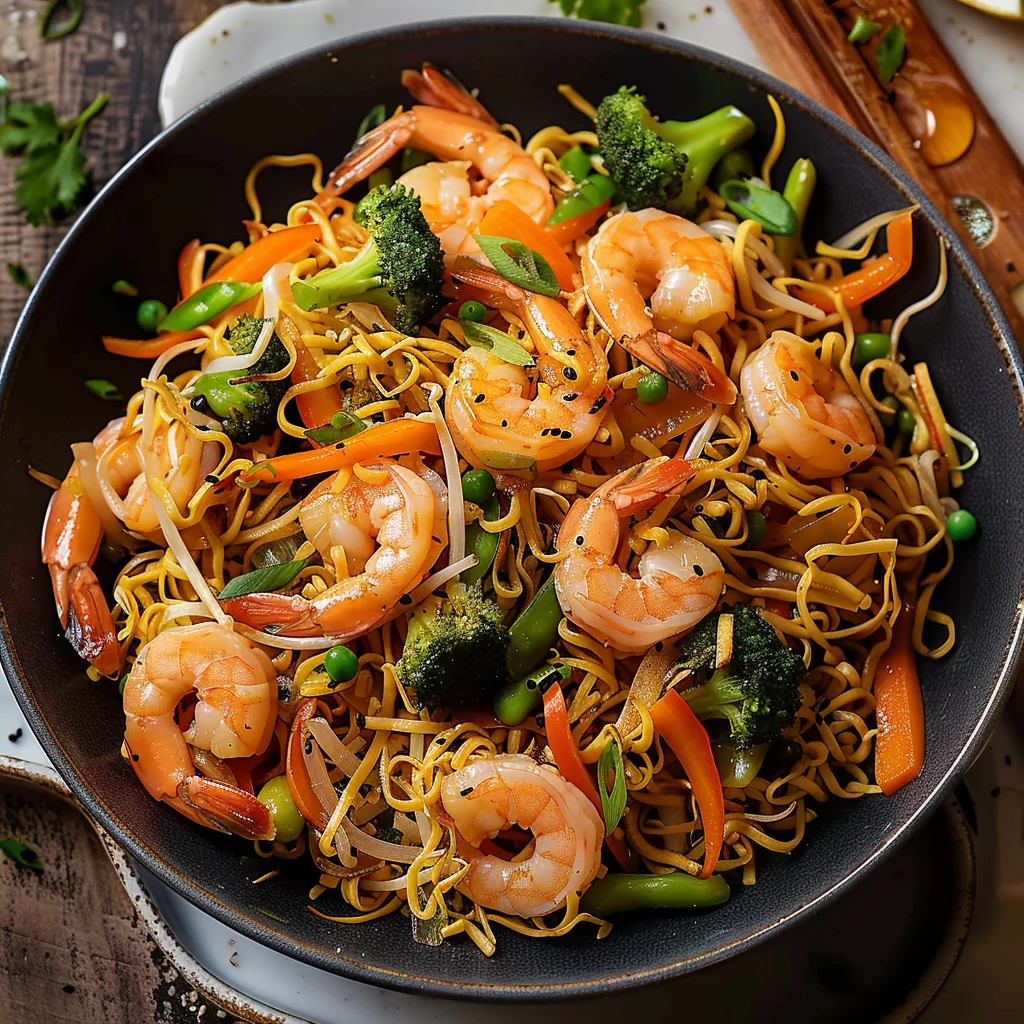
Shrimp Chow Mein
Tips/Tricks
To achieve the best results, use fresh ingredients whenever possible. Fresh shrimp and vegetables contribute significantly to the dish’s overall taste and quality. Ensure the pan is hot before adding shrimp or vegetables to get that desired sear and prevent steaming.
Don’t overcrowd the pan; this can lead to uneven cooking. It’s better to cook in batches if necessary. Also, consider trying shrimp and asparagus stir fry with mushrooms for another twist on shrimp dishes.
Perfecting Your Shrimp Chow Mein
Perfecting Results
Consistency is key to perfecting Shrimp Chow Mein. Ensure the noodles are cooked al dente before adding them to the stir-fry. This prevents them from becoming mushy when mixed with the sauce. Taste the dish before serving to adjust seasoning, adding more sesame oil for a nutty finish or a pinch of white pepper for a slight kick.
For those looking to explore more shrimp-based recipes, shrimp udon noodle soup offers a comforting and flavorful alternative. The key is to experiment within the framework of the recipe, finding the balance that suits your taste.
Troubleshooting/Variations
If you find the noodles sticking together, try rinsing them under cold water before stir-frying. This removes excess starch and keeps them separate. For those who enjoy a bit of heat, add a sprinkle of chili flakes or a dash of hot sauce to the sauce mixture.
Consider variations like adding different vegetables or proteins. Swap out the shrimp for chicken or tofu for a different take on the dish. For more indulgent recipes, check out lobster chowder with corn for a rich, seafood-filled experience.
Serving and Storing Shrimp Chow Mein
Serving/Presentation
Presentation can elevate your Shrimp Chow Mein, making it as appealing to the eyes as it is to the palate. Serve the dish in a large bowl, garnished with the green parts of the onions. The vibrant colors of the vegetables and the glistening sauce create a visually stunning dish.
For a complete meal, pair this dish with a light side salad or a fresh fruit platter. If you enjoy exploring diverse flavors, you might also like shrimp pasta primavera, which offers a delightful mix of shrimp and seasonal vegetables.
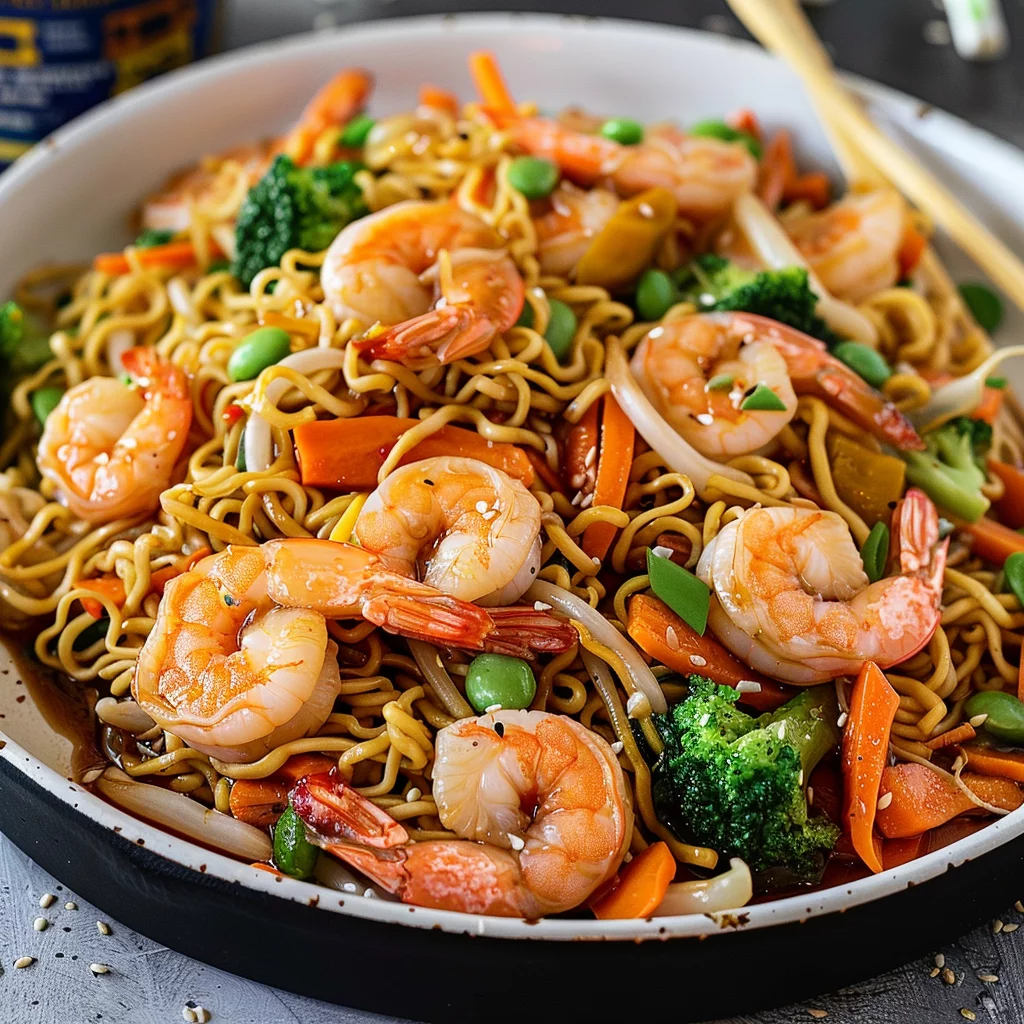
Shrimp Chow Mein
Pairings/Storage
Shrimp Chow Mein pairs well with a variety of non-alcoholic beverages. Consider serving it with iced tea or a light, fruity beverage to complement the dish’s flavors. If you have leftovers, store them in an airtight container in the refrigerator. The dish will keep well for up to two days.
Reheat gently in a pan over low heat, adding a splash of water or broth to revive the noodles. For more seafood recipes, explore the comforting shrimp alfredo pasta bake that’s perfect for any occasion.
Conclusion
Mastering Shrimp Chow Mein is all about balancing flavors and textures to create a satisfying meal. The combination of tender shrimp, vibrant vegetables, and savory sauce makes this dish a standout. Understanding the fundamentals and incorporating the right techniques ensures consistent success in the kitchen.
From preparation to presentation, each step in making Shrimp Chow Mein contributes to the dish’s overall appeal. This recipe provides a versatile base you can customize to suit your tastes, making it a staple in any seafood lover’s repertoire.
