
📑 Table of Contents ▶
Seafood Boil
The aroma of a seafood boil wafts through the air, transporting me back to summer days along the coast. Fresh seafood, vibrant vegetables, and a kick of seasoning come together to create a dish that feels like a celebration. Growing up, my family gathered around large tables, pots bubbling away, laughter filling the air as we cracked open a perfect crab leg, each bite bursting with flavor. The excitement of sharing a seafood boil brings people together, creating memories around food.
A seafood boil embodies my connection to the ocean. The blend of shrimp, crab legs, and smoky sausage speaks to the heart of coastal cooking. With every steaming plate, I channel my love for simple yet flavorful dishes that honor the treasures of the sea. Each ingredient plays a crucial role in this communal feast, and the essence of a seafood boil is about enjoying togetherness and good food.
Join me as we dive into the world of seafood boils—a dish that invites you to savor the rich flavors while creating lasting memories with loved ones. From the simmering pot to the colorful platter, let’s explore how to create a delicious seafood boil that brings joy and indulgence to your table.
The Seafood Boil Fundamentals
When preparing a seafood boil, understanding the fundamentals is essential for a successful result. First, select high-quality ingredients. Fresh or frozen shrimp, crab legs, and your choice of optional shellfish provide the foundation for this incredible dish. You can enhance the flavor by adding smoked sausage or Andouille sausage for that extra bite.
The vegetables, like red potatoes and sweet corn on the cob, add heartiness to your seafood boil. The variety of textures and flavors creates a well-rounded meal everyone will enjoy. The key is to balance the seafood with robust seasoning, typically using Old Bay seasoning or a seafood boil mix.
Next, get your kitchen ready. A large pot is necessary. Ensure it’s big enough to accommodate all ingredients while leaving room for the boiling water. Set your pot on the stove and fill it with water to create the perfect steaming environment for your seafood boil.
Preparing and Setting Up Your Seafood Boil
Preparation sets the stage for an amazing seafood boil adventure. Start by washing your vegetables and shrimp thoroughly to ensure all dirt and grime are gone before cooking. Cut the red potatoes into halves or quarters to ensure even cooking.
Once the vegetables are washed and cut, fill your pot with water and place it on the stove. Bring it to a rolling boil and add your Old Bay seasoning. The seasoning will infuse the water with flavor as the vegetables begin to cook.
After about ten minutes, toss in the red potatoes. Allow them to soften before adding the corn and sausage. The corn should be cut into manageable sizes, while the sausage can be sliced into bite-sized pieces for an even distribution of flavor.
As the pot simmers and releases a delicious aroma, prepare to welcome the star ingredients—your seafood. Once everything is tender, you’ll add the shrimp, crab legs, and optional crawfish or clams. This is where the thrill builds.
Mastering the Technique for Seafood Boil
The technique of a successful seafood boil lies in timing and temperature control. As you cook, monitor the heat. A gentle boil ensures even cooking and prevents seafood from overcooking.
Start by adding the red potatoes to boiling water first, cooking them until tender. Then, incorporate the corn and sausage. The last step involves adding the seafood. Shrimp cook quickly, so they only need about five to seven minutes. This combination of timing ensures that all ingredients cook perfectly, allowing the flavors to meld beautifully.
Here’s a valuable tip: don’t overcrowd the pot. If you have a large quantity, consider making the boil in batches to achieve the best texture and flavor. Keep watch over the pot, stirring occasionally to ensure even cooking.
For additional flavor, you can always add more seafood seasoning during the cooking stage, allowing the spices to infuse into the ingredients. This ensures every bite is packed with robust flavor.
Tips and Tricks for the Best Seafood Boil
When perfecting your seafood boil, several tricks can elevate your dish to new heights. First, consider adding aromatic ingredients like garlic or bay leaves to the boiling water. This enhances the overall flavor profile and creates an intoxicating aroma that sets the stage for your feast.
Experiment with the type of sausage you use; smoked sausage and Andouille bring unique flavor depths that complement the seafood beautifully. Make sure to use a good mix of seafood types—shrimp, crab legs, and optional crawfish for maximum variety.
If you want to take it a step further, explore different seasoning blends. While Old Bay is a classic choice, consider experimenting with other blends to match your flavor preferences.
Stay alert for signs of overcooking. Shrimp should turn a beautiful pink color, while crab legs should become opaque. If you notice any rubbery textures, next time slightly reduce your cooking time for those delicate seafood items to ensure a tender bite.
Serving and Presentation of Your Seafood Boil
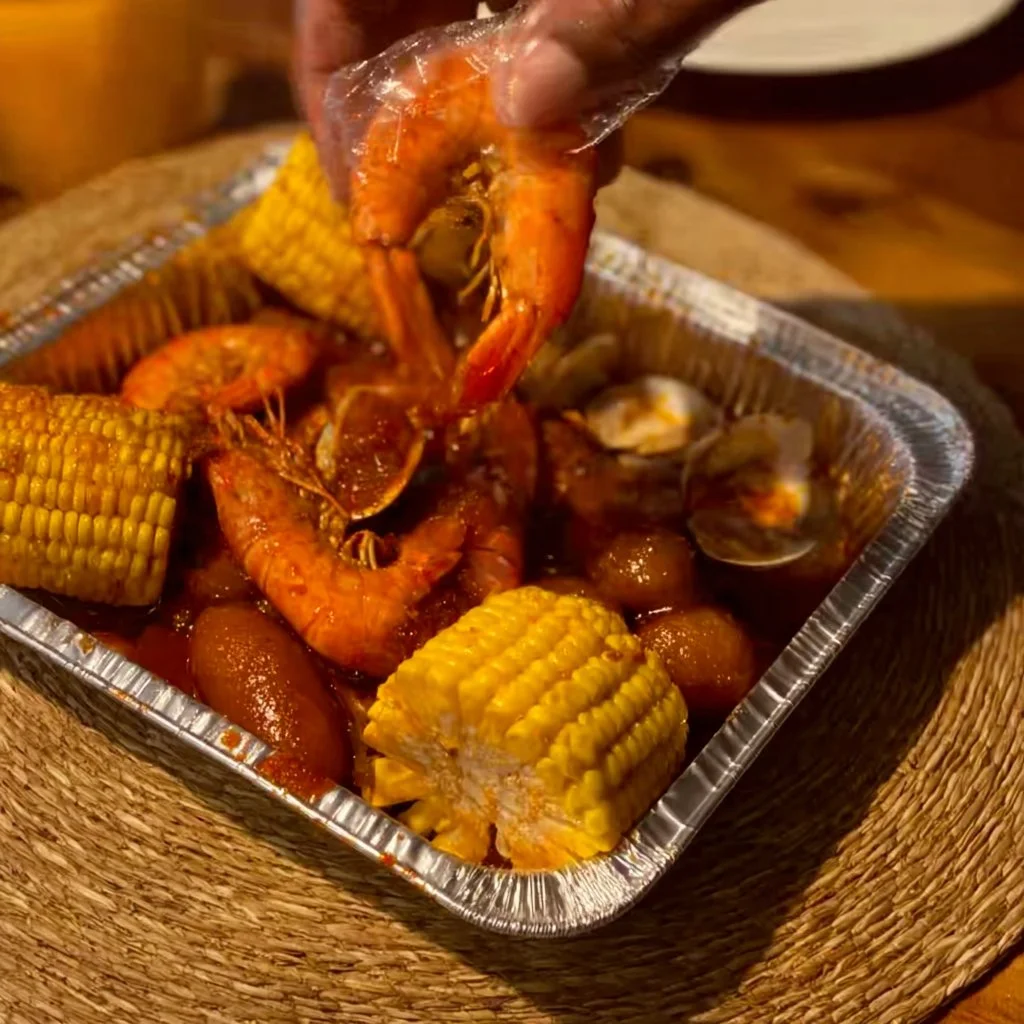
Serving a seafood boil is as much about presentation as it is about the flavors. Once you’ve finished cooking, it’s time to gather your ingredients on a large platter. This communal display invites everyone to dive in and enjoy the feast together.
Arrange the red potatoes, corn on the cob, sausage, and seafood in an aesthetically pleasing manner. The vibrant colors create an eye-catching presentation that promises deliciousness. You can also sprinkle extra Old Bay seasoning on top for that added flair.
To make the meal even more appealing, use butcher paper to cover the dining table. This casual setup encourages sharing and brings a laid-back vibe to your gathering.
As for storage, ensure any leftovers cool down before transferring them to an airtight container. They should last safely in the refrigerator for about three days. Reheating the seafood boil should be quick and easy; simply warm it on the stove or microwave to bring back those delightful flavors.
Pairings and Storage for Your Seafood Boil
While savoring your seafood boil, consider pairing it with refreshing sides like a crisp green salad or garlic bread to complement the abundance of flavors. A tangy dipping sauce made with garlic butter can add an extra layer of richness to the experience.
When storing leftovers, portion your seafood boil into smaller containers, making it easy to grab for a quick meal later in the week. Always remember to keep it refrigerated and consume within three days for optimal taste and safety.
The next time you feel the itch for a delicious dish by the sea, remember the joy of a seafood boil. Embrace the flavors, engage in the cooking process, and enjoy the memories around the table—it’s a culinary tradition that never gets old.
Enjoy this vibrant dish, full of life and flavor, bringing your loved ones together with every delicious bite.
Print
Seafood Boil
- Prep Time: 15 minutes
- Cook Time: 30 minutes
- Total Time: 45 minutes
- Yield: 6 servings
- Category: Main Course
- Method: Boiling
- Cuisine: Seafood
- Diet: Pescatarian
Description
A vibrant seafood boil featuring fresh shrimp, crab legs, and smoky sausage, perfect for community gatherings and celebrating togetherness.
Ingredients
- 1 lb fresh shrimp
- 1 lb crab legs
- 1 lb smoked sausage or Andouille sausage
- 2 lbs red potatoes, halved
- 4 ears of corn, cut into halves
- 1/4 cup Old Bay seasoning
- Water
- Optional: crawfish or clams
Instructions
- Wash all vegetables and shrimp thoroughly.
- Fill a large pot with water and bring it to a rolling boil.
- Add Old Bay seasoning to the boiling water.
- Add red potatoes to the pot and cook for 10 minutes.
- Incorporate corn and sausage into the pot.
- Once veggies are tender, add shrimp and crab legs, cooking for 5-7 minutes.
- Stir occasionally to ensure even cooking.
- Arrange seafood, potatoes, and corn on a large platter to serve.
Notes
For added flavor, include garlic or bay leaves in the boiling water. Keep an eye on cooking times to avoid overcooking seafood.
