
📑 Table of Contents ▶
- Part 1 — Creating the Perfect Chicken Broth
- Fundamentals
- Preparation/setup
- Directions
- Part 2 — Elevating Your Chicken Soup Experience
- Technique
- Tips/Tricks
- Part 3 — Perfecting the Recipe
- Perfecting Results
- Troubleshooting/Variations
- Part 4 — Serving the Chicken Broth
- Serving/presentation
- Pairings/storage
- Chicken Broth (Mexican Chicken Soup)
Chicken Broth (Mexican Chicken Soup)
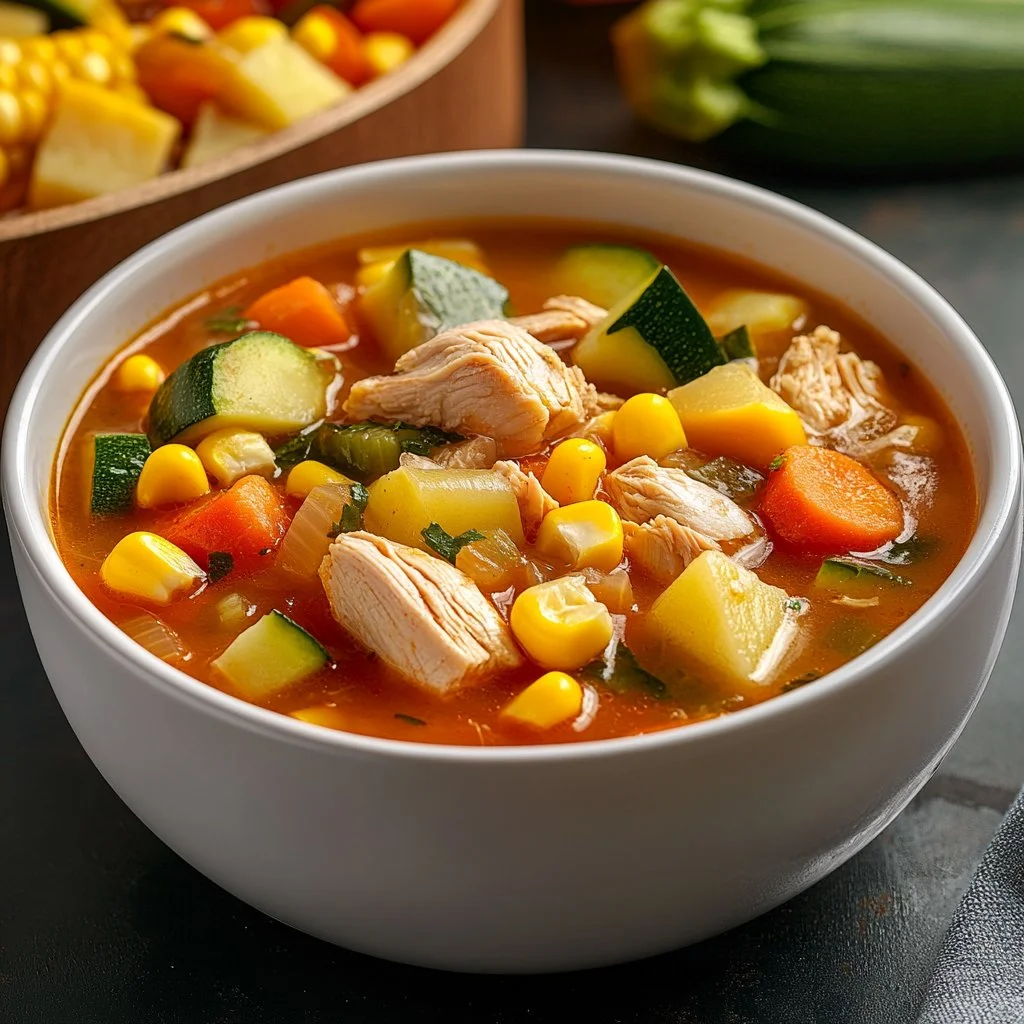
A chilly evening often calls for a warm bowl of chicken broth, especially one with vibrant flavors that feel comforting and inviting. The aroma of a simmering pot fills the kitchen, wrapping you in warmth as the enticing scent of garlic and herbs dances through the air. This traditional Mexican chicken soup, rich with tender chicken and fresh vegetables, brings back cherished memories of family gatherings.
Chicken broth serves not only as a meal but as a soothing embrace that nourishes the soul. The blend of juicy chicken thighs and drumsticks infuses the broth with depth, while the vegetables add color and nutrition, creating a dish that feels wholesome and satisfying.
Whether you’re feeling under the weather or simply seeking a bowl of comfort, this chicken broth will quickly become a go-to recipe. The dynamic combination of fresh ingredients and flavorful seasonings makes each sip feel like a warm hug.
Part 1 — Creating the Perfect Chicken Broth
Fundamentals
Chicken broth stands out as one of the cornerstones of comfort food. This classic dish combines simple ingredients into a nourishing soup filled with flavor and goodness. Using bone-in chicken thighs and drumsticks brings a rich taste that enhances the overall depth of the broth. Adding vegetables such as carrots, corn, and zucchini further elevates the dish, ensuring it not only satisfies hunger but also provides essential nutrients.
The broth’s foundation lies in its preparation. A slow simmer allows the chicken to release its natural flavors into the water, creating a savory base that sets the stage for the entire dish. Carefully selected vegetables complement these flavors, integrating seamlessly and contributing their own unique tastes and textures.
Preparation/setup
Begin by gathering all necessary ingredients for a seamless cooking experience. Having everything prepared not only streamlines the cooking process but enhances your culinary enjoyment. The essential components include chicken thighs, drumsticks, onion, garlic, bay leaves, tomatoes, bouillons, and a variety of vibrant vegetables.
Using a large pot, you will bring the ingredients together to create a delightful chicken broth. The combination of water and chicken is the heart of the dish, while the addition of aromatics like onion and garlic boosts the depth of flavor. You’ll find that preparation sets the tone for the soup, making every step an essential part of crafting this heartwarming meal.
Ingredients
To create this richly flavored chicken broth, gather the following ingredients:
- 3 bone-in chicken thighs
- 6 drumsticks
- 8 cups water
- 1/4 white onion
- 4 garlic cloves
- 3 bay leaves
- 2 Roma tomatoes
- 1 tsp chicken bouillon
- 1 tsp tomato bouillon
- Salt (to taste)
- 3 corns (cut in halves)
- 4 carrots (peeled and chopped)
- 3 small potatoes (quartered)
- 2 zucchini (sliced in half moons)
- A handful of fresh cilantro
Directions
-
In a large pot, combine 8 cups of water, bone-in chicken thighs, and drumsticks. Add the quartered white onion and halved garlic cloves to the mixture.
-
Incorporate the bay leaves and season with salt to taste. Bring this mixture to a rolling boil, then reduce the heat to maintain a gentle simmer.
-
Allow the chicken to cook for approximately 40-50 minutes, skimming off any foam that rises to the surface for a clearer broth.
-
While the chicken cooks, prepare the tomato sauce. In a blender, combine the Roma tomatoes, a small piece of onion, a garlic clove, chicken bouillon, tomato bouillon, and half to one cup of hot broth. Blend until smooth, then strain the sauce into the pot and stir to combine.
-
After the chicken has cooked, add the corn, carrots, and potatoes to the pot. Continue to simmer for about 15 minutes or until the potatoes are nearly tender.
-
Finally, introduce the zucchini and fresh cilantro, cooking for another 5-7 minutes until all vegetables are tender but still hold their shape.
-
Taste and adjust the seasoning, adding more salt or bouillon as necessary.
-
Ladle the hot chicken broth into bowls and serve it alongside warm corn tortillas, lime wedges, sliced avocado, or a scoop of rice for a complete meal.
Part 2 — Elevating Your Chicken Soup Experience
Technique
Perfecting chicken broth involves mastering the art of balancing flavors. Each ingredient plays a vital role, so it’s essential to treat them with care. When simmering chicken, low heat allows for gradual cooking, ensuring the meat remains tender while infusing the broth with its savory essence.
When preparing the tomato sauce, blending the ingredients creates a smooth consistency that melds beautifully with the rest of the soup. Using fresh vegetables guarantees that their bright flavors shine through, showcasing the importance of quality ingredients in this comforting dish.
Tips/Tricks
-
Use High-Quality Chicken: Opt for fresh, high-quality chicken to maximize flavor. Organic or free-range options deliver a more pronounced taste in the broth.
-
Fresh Herbs Enhance Flavor: Don’t hesitate to experiment with fresh herbs like oregano or thyme. These can elevate the broth’s taste profile and add an aromatic touch.
-
Save the Bone Broth: Once the soup is enjoyed, save any leftover broth to use as a base for other soups or cooking grains for added flavor.
-
Adjust to Your Preference: Feel free to tweak the vegetable selection based on what’s in season or what you have on hand. This flexibility allows the soup to adapt to personal tastes.
Part 3 — Perfecting the Recipe
Perfecting Results
Achieving the perfect chicken broth requires attention to detail. Allowing the chicken to simmer long enough ensures tenderness, while skimming excess foam helps create a clearer liquid. This simple process of letting it simmer guarantees that each sip of broth delivers deep flavor and warmth.
Taste testing at various stages is crucial. It empowers you to adjust the seasoning until it’s just right, preventing blandness and creating a result that’s tailored to your palate.
Troubleshooting/Variations
If the broth turns out too salty, you can dilute it by adding more water. Alternatively, adding more vegetables can balance the saltiness while enhancing flavor.
For those looking to add a twist, consider introducing spicy elements like jalapeños or chipotle peppers. These add an exciting kick, appealing to those who enjoy heat in their dishes.
Part 4 — Serving the Chicken Broth
Serving/presentation
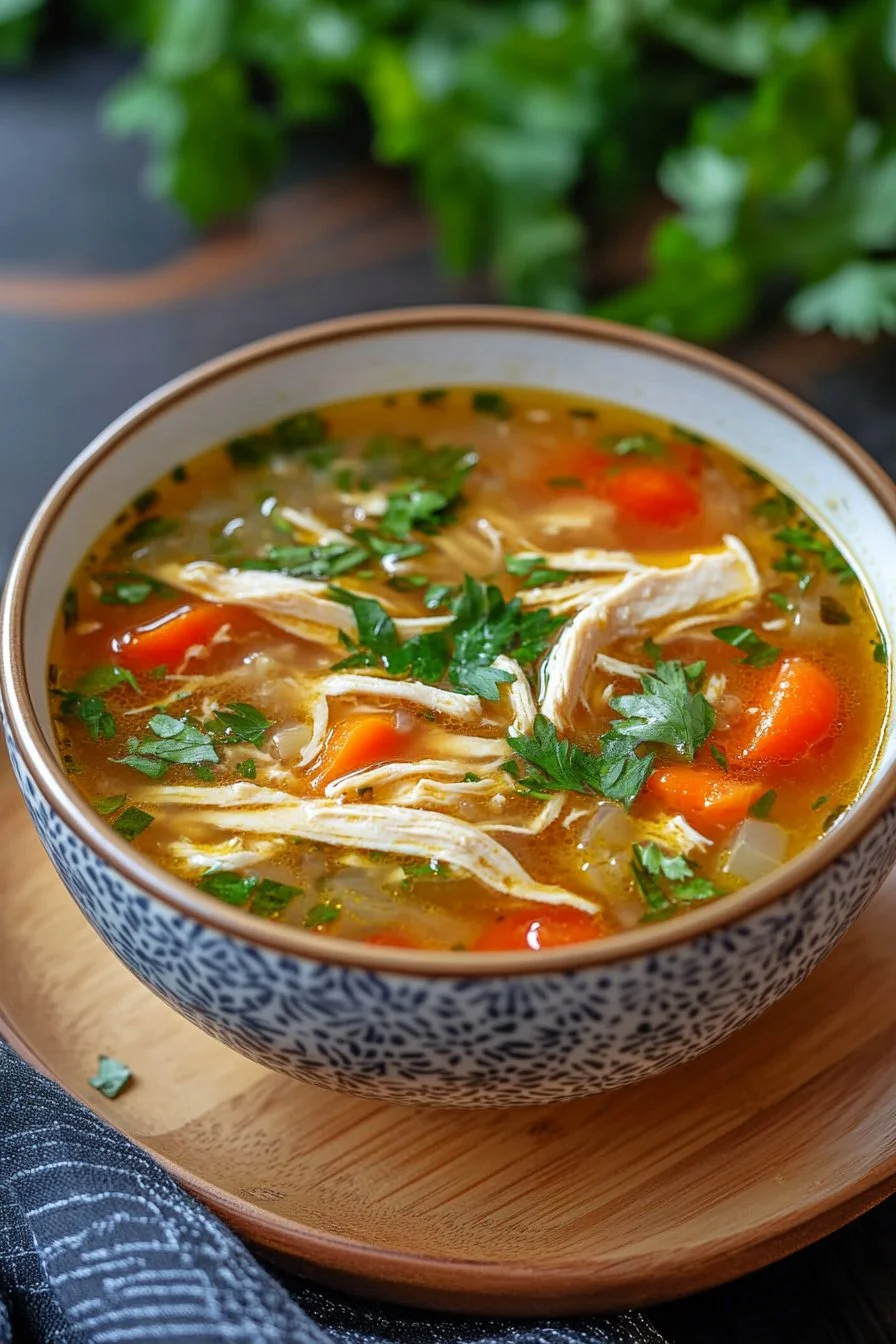
Presentation goes a long way in enhancing the dining experience. Ladle the chicken broth into vibrant bowls, showcasing the colorful array of vegetables. Garnish with fresh cilantro before serving to add a pop of green that brightens the dish.
For a delightful experience, serve the soup alongside warm corn tortillas that diners can rip apart and use to scoop up their broth. Consider adding slices of lime for a zesty finish, elevating flavors even further with each squeeze.
Pairings/storage
This chicken broth pairs beautifully with warm crusty bread or avocado slices, making for a satisfying meal on its own. When storing left-over broth, let it cool completely before transferring it to airtight containers. Refrigerate for up to three days or freeze for longer storage, ensuring this hearty dish remains accessible whenever comfort is needed.
Each warming bowl of chicken broth offers nourishment and satisfaction. The heartiness of the chicken combined with vibrant vegetables creates a wonderful experience that speaks to the heart of comforting home-cooked meals.
Incorporating personal touches and seasonal ingredients can transform this classic recipe, ensuring it remains a cherished family favorite. It invites creativity while echoing the beloved tradition of cherished meals shared with loved ones. Enjoy the journey of crafting your delicious chicken broth, and relish the moments made around the table.
Print
Chicken Broth (Mexican Chicken Soup)
- Prep Time: 15 minutes
- Cook Time: 55 minutes
- Total Time: 70 minutes
- Yield: 6 servings
- Category: Soup
- Method: Simmering
- Cuisine: Mexican
- Diet: Gluten-Free
Description
A comforting and nourishing Mexican chicken soup rich with tender chicken, vibrant vegetables, and aromatic herbs.
Ingredients
- 3 bone-in chicken thighs
- 6 drumsticks
- 8 cups water
- 1/4 white onion
- 4 garlic cloves
- 3 bay leaves
- 2 Roma tomatoes
- 1 tsp chicken bouillon
- 1 tsp tomato bouillon
- Salt (to taste)
- 3 corns (cut in halves)
- 4 carrots (peeled and chopped)
- 3 small potatoes (quartered)
- 2 zucchini (sliced in half moons)
- A handful of fresh cilantro
Instructions
- In a large pot, combine 8 cups of water, bone-in chicken thighs, and drumsticks. Add the quartered white onion and halved garlic cloves to the mixture.
- Incorporate the bay leaves and season with salt to taste. Bring to a rolling boil, then reduce the heat to maintain a gentle simmer.
- Allow the chicken to cook for approximately 40-50 minutes, skimming off any foam that rises to the surface for a clearer broth.
- While the chicken cooks, prepare the tomato sauce. In a blender, combine the Roma tomatoes, a small piece of onion, a garlic clove, chicken bouillon, tomato bouillon, and hot broth. Blend until smooth, then strain the sauce into the pot and stir to combine.
- After the chicken has cooked, add the corn, carrots, and potatoes to the pot. Continue to simmer for about 15 minutes or until the potatoes are nearly tender.
- Finally, introduce the zucchini and fresh cilantro, cooking for another 5-7 minutes until all vegetables are tender but still hold their shape.
- Taste and adjust the seasoning, adding more salt or bouillon as necessary.
- Ladle the hot chicken broth into bowls and serve with warm corn tortillas, lime wedges, sliced avocado, or rice.
Notes
Use high-quality chicken and fresh herbs to enhance flavor. Save leftover broth for other soups or cooking grains.
