
📑 Table of Contents ▶
- Understanding Kakavia, Greek Fisherman’s Soup
- Fundamentals
- Preparation/Setup
- Directions
- Mastering Kakavia for the Best Results
- Technique
- Tips/Tricks
- Perfecting the Experience
- Perfecting Results
- Troubleshooting/Variations
- Enjoying Kakavia to the Fullest
- Serving/Presentation
- Pairings/Storage
- Conclusion
- Kakavia, Greek Fisherman’s Soup
Kakavia, Greek Fisherman’s Soup
Fishing trips by the shore have nourished both the body and spirit for generations. The salty air, the gentle rocking of the boat, and the thrill of the catch blend into a perfect harmony of experience. Kakavia, a traditional Greek fisherman’s soup, embodies that deep-seated love for the sea. This dish, passed down through generations, captures the essence of coastal living with its simplicity and heartwarming flavors.
Kakavia’s flavor comes from the freshest catch of the day simmered with vegetables. It’s not just a meal; it’s a celebration of community, stories, and shared moments. The gentle waves and the vibrant colors of the market inspire the use of vibrant ingredients, making this dish not only flavorful but also visually appealing. With a combination of tender potatoes, sweet tomatoes, and fresh fish, every bowl tells a story of the sea.
In the kitchen, preparing Kakavia becomes a joyful ritual. The aroma of sautéed onions mingling with the fresh catch evokes memories of seaside gatherings and warm laughter. Each spoonful of this rich soup envelops you in the warmth and comfort of home, making it a favorite among families. Sharing this dish creates connections, reminding everyone that good food and good company are the true treasures of life.
Understanding Kakavia, Greek Fisherman’s Soup
Fundamentals
Kakavia stands out as a heartwarming and nutritious dish. This Greek fisherman’s soup boasts a rich deep flavor, thanks to the use of whole fish. Familiar fish, such as snapper or sea bream, create the backbone of this delightful soup. Using whole fish ensures that the maximum flavor infuses the broth, making every bite satisfying.
The vegetables used in Kakavia add depth and character. Diced potatoes offer a creamy texture, while tomatoes burst with freshness, balancing the dish’s flavor profile. Adding carrots not only introduces sweetness but also elevates the nutritional value. This blend of ingredients warms the soul and complements the fish seamlessly.
Preparation/Setup
Preparing Kakavia requires minimal effort and focuses on highlighting the ingredients’ natural flavors. A large pot serves as the main cooking vessel, creating an optimal environment for developing the rich broth. Heat the olive oil over medium heat, adding chopped onions until they become translucent. This process releases a savory aroma that sets the stage for the subsequent ingredients.
Once the onions are ready, it’s time to introduce the diced potatoes, sliced carrots, and diced tomatoes. Stirring these ingredients for a few moments allows their flavors to meld before pouring in the water. Bringing the mixture to a boil smoothes the cooking process and intensifies the broth’s richness.
Ingredients
To create the perfect Kakavia, gather the following ingredients:
- 1 whole fish (such as snapper or sea bream)
- 4 cups of water
- 2 medium potatoes, peeled and diced
- 1 onion, chopped
- 2 tomatoes, diced
- 1 carrot, sliced
- 2 tablespoons olive oil
- 1 teaspoon salt
- 1/2 teaspoon black pepper
- 1/2 teaspoon oregano
- Fresh parsley for garnish
- Lemon wedges for serving
Using these fresh ingredients ensures the dish retains its authentic flavor. With the whole fish at the center, the complementary vegetables enhance the overall taste, making each bowl a delightful experience.
Directions
Cooking Kakavia involves straightforward steps, ensuring that the dish comes together seamlessly.
- In a large pot, heat the olive oil over medium heat. Add the chopped onion and sauté until translucent.
- Add the diced potatoes, the sliced carrot, and the diced tomatoes to the pot, stirring for about 5 minutes.
- Pour in the water and bring to a boil.
- Add the whole fish, salt, pepper, and oregano. Reduce heat to a simmer and cook for about 20 minutes, until the fish is cooked through.
- Carefully remove the fish from the pot, and once it’s cool, break the fish into pieces, discarding bones and skin.
- Return the fish pieces to the soup.
- Serve hot, garnished with fresh parsley and lemon wedges.
This simple yet effective method allows each ingredient to shine through, creating a deeply satisfying fishing soup.
Mastering Kakavia for the Best Results
Technique
Mastering the technique of preparing Kakavia requires patience and attention to detail. Cooking the onions until they’re translucent forms the foundation of this delicious soup. This step unlocks the sweetness and complexity of flavors within the dish.
When it comes to cooking time, ensuring that the fish cooks through without falling apart is crucial. Overcooking can lead to a mushy texture, diminishing the overall experience. Maintaining a gentle simmer allows the fish to cook evenly while keeping its form intact.
Tips/Tricks
To enhance your Kakavia experience, consider these helpful tips. Use the freshest fish available. Local markets or fishmongers often carry the best selections. If you’re able to catch your own fish, that adds a personal touch to the preparation.
Adjust the seasoning to cater to your taste preferences. Some may prefer a bolder flavor with a touch more salt or spice. Adding a pinch of red pepper flakes can introduce a bit of heat without overwhelming the dish. Taste the broth regularly to ensure it matches your flavor profile.
Perfecting the Experience
Perfecting Results
Perfecting Kakavia hinges on understanding the balance of flavors. The sweet undertones from the vegetables and the richness of the fish come together, creating harmony within the bowl. Pay attention to the cooking time, as undercooking the vegetables can result in an undesired crunch, while overcooking can lead to mushiness.
Sometimes, achieving the perfect soup may require slight adjustments in cooking times or water amounts. Everything depends on the size of your fish and the specific vegetables. Always keep an eye on the texture and flavors of the broth to ensure you’re on the right path.
Troubleshooting/Variations
Having a few variations on hand can help troubleshoot common issues. If the soup feels too thick, you can easily thin it out by adding extra water and bringing it back to a simmer. If you prefer creaminess, consider incorporating a splash of cream or coconut milk.
For those who may want to add more protein, shrimp or mussels can be included alongside the fish. These additions provide extra flavor and texture, making each bowl unique. Exploring different variations allows you to personalize Kakavia to suit different occasions and tastes.
Enjoying Kakavia to the Fullest
Serving/Presentation
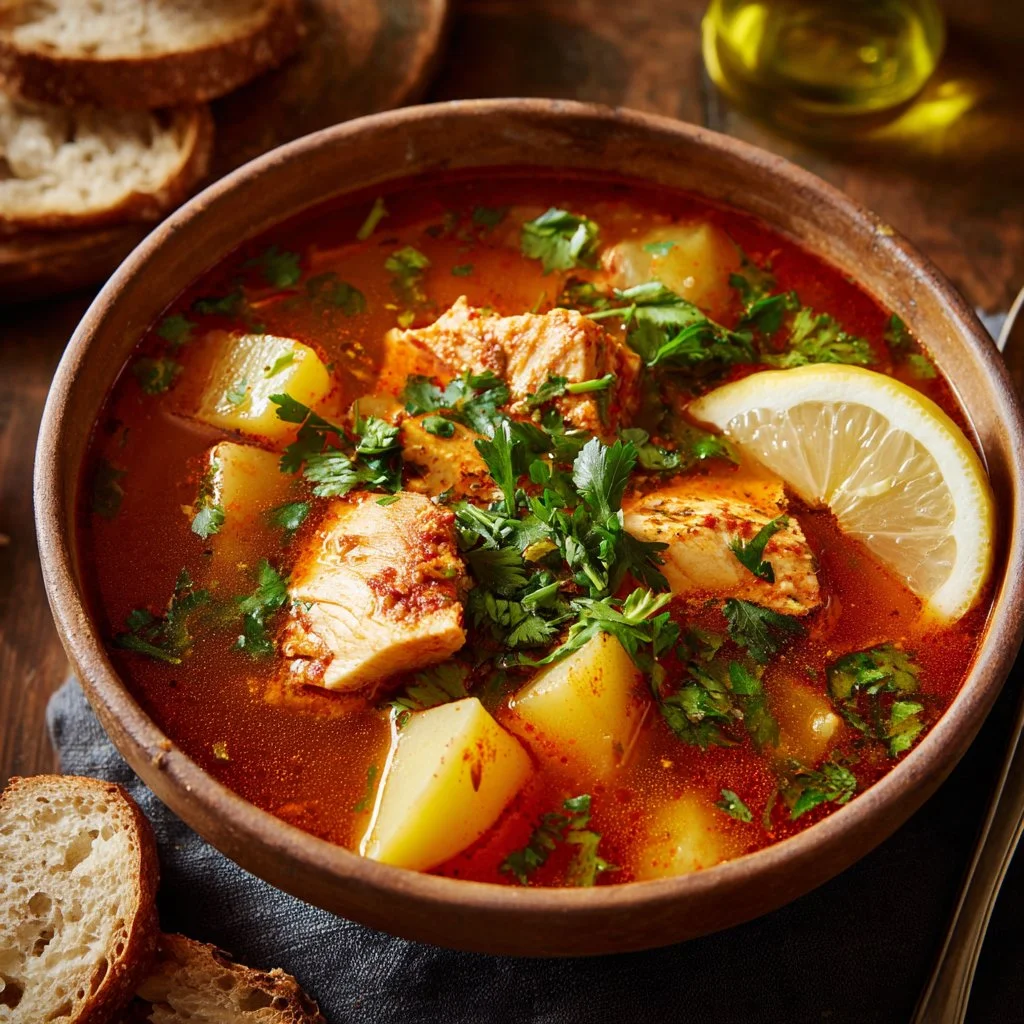
Presentation plays an essential role in the enjoyment of Kakavia. Serve each bowl freshly cooked, piping hot. Garnishing with fresh parsley not only adds color but also a freshness that enhances the overall experience.
Lemon wedges complete the dish, allowing everyone to squeeze a bit of citrus over their soup. This simple addition brightens the flavors and brings a refreshing contrast to the rich broth. Consider serving alongside crusty bread for dipping to enhance the meal.
Pairings/Storage
Pair Kakavia with light salads or crusty bread for a hearty option. For a fuller meal, consider serving alongside grilled vegetables or a simple green salad dressed with olive oil and vinegar.
Leftovers can be stored in an airtight container in the refrigerator for up to three days. The flavors continue to meld, making it an excellent option for a quick and satisfying meal later in the week. Reheat gently on the stovetop, adding a touch of water if necessary to achieve the perfect consistency.
Conclusion
Kakavia, Greek fisherman’s soup, serves as a heartfelt reminder of the joy of cooking and sharing. Each ingredient sings the praises of the sea, creating a dish that evokes warmth and nostalgia. With its rich, comforting flavors, Kakavia stands as a testament to the beauty of simple cooking and the love that goes into every bowl. Making this soup allows anyone to connect with a cherished culinary tradition that transcends generations. Embrace the flavors, the technique, and the community spirit—Kakavia awaits.
Print
Kakavia, Greek Fisherman’s Soup
- Prep Time: 15 minutes
- Cook Time: 30 minutes
- Total Time: 45 minutes
- Yield: 4 servings
- Category: Soup
- Method: Cooking
- Cuisine: Greek
- Diet: Pescatarian
Description
Kakavia is a traditional Greek fisherman’s soup featuring fresh fish and vibrant vegetables, evoking the essence of coastal living.
Ingredients
- 1 whole fish (such as snapper or sea bream)
- 4 cups of water
- 2 medium potatoes, peeled and diced
- 1 onion, chopped
- 2 tomatoes, diced
- 1 carrot, sliced
- 2 tablespoons olive oil
- 1 teaspoon salt
- 1/2 teaspoon black pepper
- 1/2 teaspoon oregano
- Fresh parsley for garnish
- Lemon wedges for serving
Instructions
- In a large pot, heat the olive oil over medium heat. Add the chopped onion and sauté until translucent.
- Add the diced potatoes, sliced carrot, and diced tomatoes to the pot, stirring for about 5 minutes.
- Pour in the water and bring to a boil.
- Add the whole fish, salt, pepper, and oregano. Reduce heat to a simmer and cook for about 20 minutes, until the fish is cooked through.
- Carefully remove the fish from the pot, and once it’s cool, break the fish into pieces, discarding bones and skin.
- Return the fish pieces to the soup.
- Serve hot, garnished with fresh parsley and lemon wedges.
Notes
Use the freshest fish available for the best flavor. Adjust seasoning to your taste.
