
📑 Table of Contents ▶
Growing up by the sea, haddock was a staple in our family meals. I remember those breezy evenings when the salty air would mingle with the aroma of freshly baked haddock, creating a symphony of flavors that still brings a smile to my face. Haddock, with its delicate and flaky texture, has always been my go-to fish for creating simple yet delightful dishes.
My love for haddock is not just about nostalgia; it’s about the versatility this fish offers. Whether it’s a quick weeknight dinner or a more elaborate weekend feast, haddock always delivers. The gentle taste of haddock makes it the perfect canvas for a variety of flavors, and its firm flesh holds up beautifully in different cooking methods.
In my kitchen by the sea, haddock is more than just an ingredient; it’s a source of inspiration. I find joy in experimenting with different recipes, and every time I cook haddock, I’m reminded of the simple pleasures of coastal living. This recipe for baked haddock is a testament to that simplicity, offering a delicious meal that’s both easy to prepare and deeply satisfying.
If you’re new to cooking haddock or just looking for a fresh take on this classic fish, you’re in the right place. Dive into this recipe and discover the joy of creating a dish that’s sure to become a favorite in your home.
Print
haddock
- Prep Time: 10 minutes
- Cook Time: 15 minutes
- Total Time: 25 minutes
- Yield: 4 servings
- Category: Main Course
- Method: Baking
- Cuisine: Unknown
Description
Discover how to cook delicious haddock with our easy-to-follow recipe. Learn the best techniques for preparing this flavorful and flaky fish dish today!
Ingredients
- 1 1/3 cups milk (320 ml)
- 2 teaspoons (10 ml) salt
- 1 1/3 cups bread crumbs (160 g)
- 1/4 cup grated Parmesan cheese (25 g)
- 1/4 teaspoon (1 ml) ground dried thyme
- 4 haddock fillets
- 1/4 cup (60 ml) vegetable oil
Instructions
- Set the oven temperature to 500 degrees F (260 degrees C).
- Mix the milk with salt in a small container. In another container, combine the bread crumbs, Parmesan cheese, and thyme.
- Submerge the haddock fillets in the milk mixture, then coat them with the crumb mixture. Arrange the fillets in a glass baking dish, and pour melted butter over them.
- Place the dish on the top shelf of the hot oven and cook until the fish is easily flaked with a fork, which should take around 15 minutes.
Notes
- For a healthier option, consider using whole wheat bread crumbs instead of regular ones for added fiber and nutrients.
- Add a touch of freshness by squeezing lemon juice over the haddock fillets before baking for a burst of citrus flavor.
- Pat dry the haddock fillets before dipping them in the milk mixture to ensure the coating sticks well for even cooking.
Mastering the Haddock Bake
Fundamentals
Understanding the basics of haddock is key to mastering this dish. Haddock is a lean, white fish with a mild flavor, making it an excellent choice for baking. Its texture is firm, yet it flakes beautifully when cooked, making it ideal for various recipes.
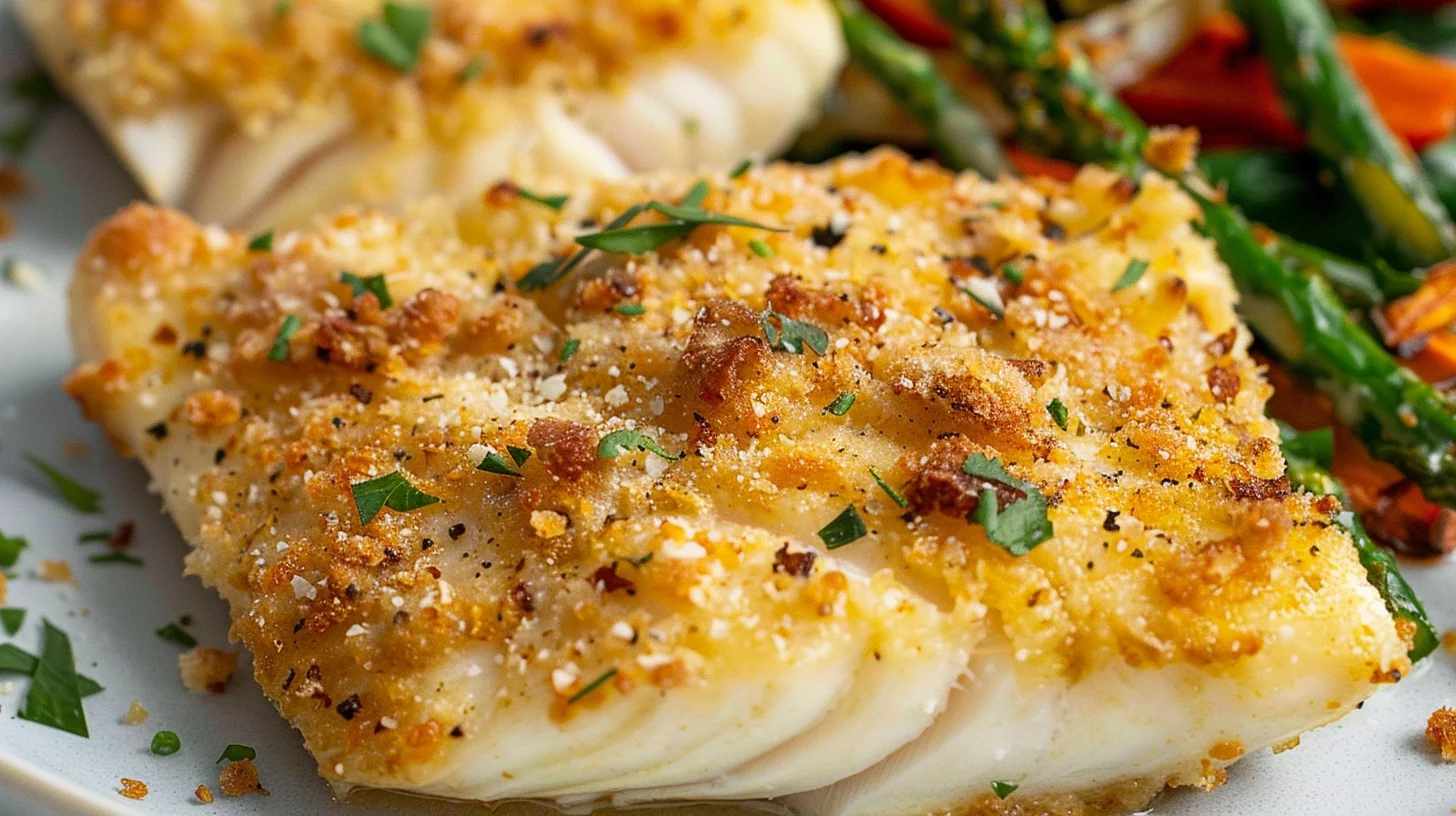
In this recipe, we focus on enhancing the natural flavors of haddock using simple ingredients that complement the fish’s delicate taste. The combination of bread crumbs, Parmesan cheese, and thyme creates a crispy, flavorful crust that elevates the dish.
Preparation/Setup
Start by preheating your oven to 500 degrees F (260 degrees C). While the oven heats, prepare two separate containers: one for the milk and salt mixture, and another for the bread crumbs, Parmesan cheese, and thyme mixture. These simple preparations ensure that the haddock fillets are perfectly coated and ready for baking.
Submerge the haddock fillets in the milk mixture, allowing them to soak up the flavors. Then, coat each fillet with the crumb mixture, pressing gently to ensure an even layer. Arrange the fillets in a glass baking dish, ready for the final touch—a drizzle of melted butter that will enhance the crust’s richness.
Cooking Haddock to Perfection
Technique
Baking haddock at a high temperature ensures a crisp crust and a juicy interior. Place the dish on the top shelf of the oven, where the heat is most intense. This position helps achieve a golden-brown crust while keeping the fish moist and tender.

haddock
Monitor the cooking time closely. Haddock cooks quickly, and you’ll know it’s ready when it flakes easily with a fork. This usually takes about 15 minutes, but keep an eye on it to prevent overcooking.
Tips/Tricks
For an extra crispy texture, consider broiling the haddock fillets for the last 2 minutes of cooking. This step is optional but adds a delightful crunch to the crust. Ensure the fish stays moist by not overbaking, as haddock can dry out if left in the oven too long.
Experiment with different herbs and spices to personalize the flavor profile of your haddock. A hint of paprika or a sprinkle of lemon zest can add an exciting twist to the dish. If you’re interested in other ways to prepare haddock, check out this baked lemon garlic haddock recipe for more inspiration.
Enhancing Your Haddock Dish
Perfecting Results
Achieving the perfect baked haddock involves attention to detail and a few key techniques. Ensure the fillets are evenly coated with the crumb mixture, as this creates a consistent texture and flavor across the dish. Using fresh Parmesan cheese adds depth and a nutty flavor that complements the fish beautifully.
Adjust the seasoning to your taste. While the recipe calls for salt in the milk mixture, feel free to add a pinch of pepper or a dash of your favorite seasoning blend to enhance the dish further.
Troubleshooting/Variations
If your haddock isn’t flaking easily, it may need a few more minutes in the oven. However, check frequently to avoid overcooking. If the crust isn’t as crispy as desired, broiling for a short time can help achieve the right texture.
For variations, consider adding a layer of sliced tomatoes or a sprinkle of fresh herbs like parsley or dill before serving. These additions can brighten the dish and add a fresh, vibrant flavor. Explore more haddock recipes such as this baked lemon garlic haddock for diverse options.
Presenting Your Haddock Masterpiece
Serving/Presentation
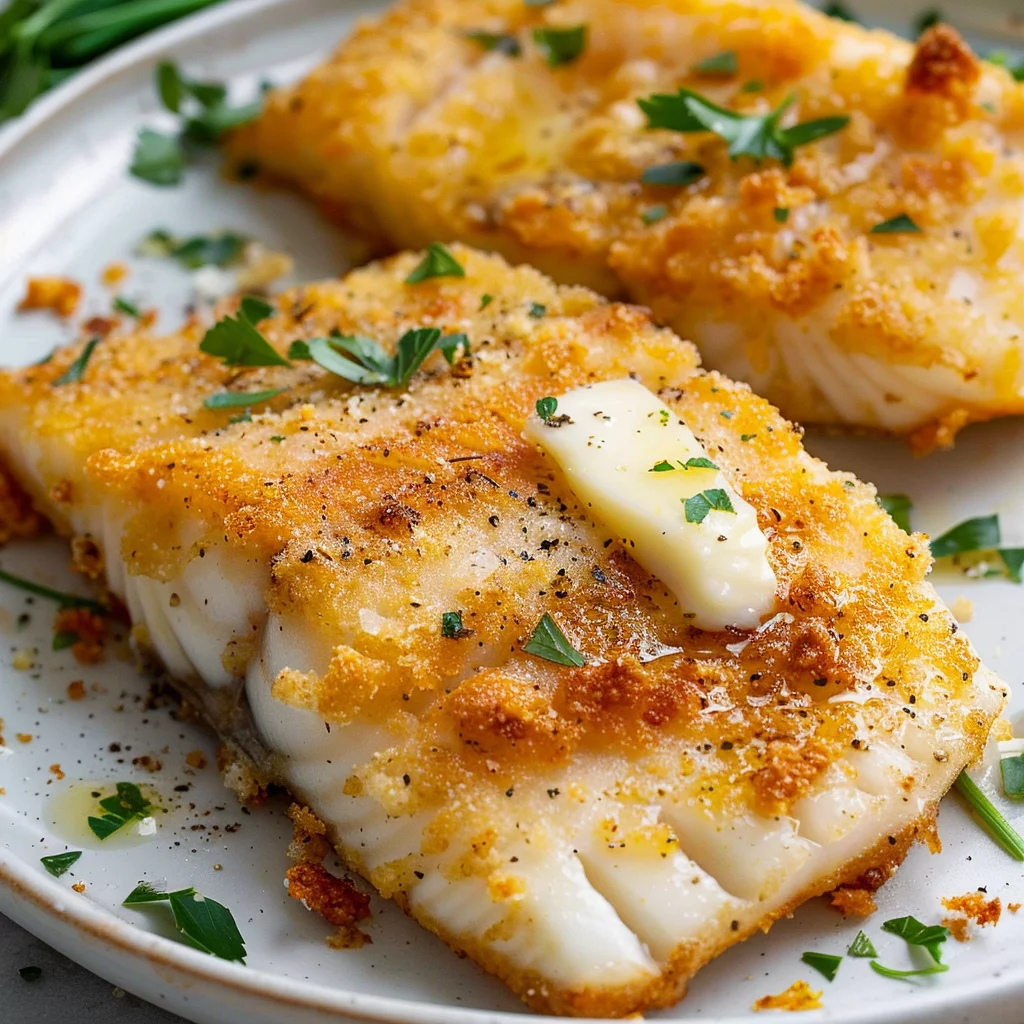
Presentation matters, especially when serving haddock to guests. Arrange the fillets on a platter and garnish with fresh lemon wedges and a sprinkle of parsley for a pop of color. This simple touch elevates the dish and makes it visually appealing.
Serve the baked haddock with sides that complement its flavors, such as roasted vegetables or a light salad. These sides add balance to the meal and highlight the fish’s delicate taste.
haddock
Pairings/Storage
Pair your haddock dish with a chilled beverage, like sparkling water or a citrus-infused drink, to enhance the meal’s refreshing qualities. Proper storage is essential for leftovers; store any remaining haddock in an airtight container in the refrigerator for up to two days.
Reheat gently in the oven to maintain the fish’s texture and flavor, avoiding microwave reheating, which can make the fish rubbery. For more ideas on haddock preparation, explore this baked lemon garlic haddock for a delicious alternative.
Conclusion
Baking haddock is a straightforward yet rewarding endeavor, offering a dish that’s both flavorful and easy to prepare. The combination of simple, fresh ingredients highlights the natural qualities of haddock, making it a standout meal for any occasion.
Incorporating haddock into your cooking repertoire not only brings the taste of the sea to your table but also offers a healthy and delicious option for seafood lovers. Whether you’re a seasoned cook or a novice in the kitchen, this baked haddock recipe is a delightful addition to your culinary adventures.
