
📑 Table of Contents ▶
- Greek Fisherman’s Soup: Kakavia
- The Essence of Kakavia
- Fundamentals
- Preparation/Setup
- Directions
- Crafting the Perfect Kakavia
- Technique
- Tips and Tricks
- Mastering the Art of Kakavia
- Perfecting Results
- Troubleshooting and Variations
- Serving and Enjoying Kakavia
- Presentation
- Pairings and Storage
- Greek Fisherman’s Soup: Kakavia
Greek Fisherman’s Soup: Kakavia
The inspiration behind Greek Fisherman’s Soup—Kakavia—comes from long evenings spent by the seaside. Memories of crisp, salty air and the sound of waves gently lapping against boats linger in the mind while preparing this comforting dish. There’s something magical about bringing the essence of the ocean straight to the kitchen, creating warmth and joy with every simmering pot.
Kakavia is not just any soup; it’s a celebration of simple, fresh ingredients that come together to create a rich, flavorful bounty. Imagine the satisfaction of serving a bowl brimming with flaky fish, tender potatoes, and fragrant herbs, each spoonful telling a story of family traditions and lazy summer days by the shore. This dish symbolizes the spirit of Mediterranean cooking, where every component shines in its own right.
As you dive into creating this masterpiece, remember that it’s all about capturing the tastes of the sea and serving them with love. Greek Fisherman’s Soup invites everyone to the table, ready to savor a delicately balanced blend of flavors. So, let’s get started on this journey to craft an unforgettable Kakavia that will warm your heart and soul.
The Essence of Kakavia
Fundamentals
The key to mastering Greek Fisherman’s Soup lies in its foundational ingredients. Using a fresh whole white fish, such as red snapper, cod, or monkfish, brings an authentic taste that transforms this dish from simple soup into a culinary delight. The clean flavor of the fish provides the base for the broth, while the accompanying vegetables and herbs enhance its character.
What sets Kakavia apart is the careful balance of flavors. Olive oil, fresh garlic, and aromatic vegetables create a rich undertone, allowing the sweetness of the fish to take center stage. Pairing the soup with a squeeze of lemon adds a bright pop that perfectly complements the hearty elements inside the bowl.
Preparation/Setup
Preparation begins with gathering all necessary ingredients together. This soup requires minimal chopping, making it a quick and straightforward dish to whip up. Make sure to scale and clean your fish beforehand for a smooth cooking process. The additional flavor from aromatics like onion and celery enhances the overall experience, so don’t skip these crucial steps.
Next, the cooking setup involves a large pot that can comfortably hold the fish and broth. Prepare your workstation to ensure a seamless flow from cooking to serving. Having everything organized not only makes the process more efficient but also creates an enjoyable cooking atmosphere.
Ingredients
- 2 pounds whole white fish (red snapper, cod, monkfish), scaled and cleaned
- ¼ cup olive oil
- 1 small onion, finely chopped
- 1 celery stalk, diced
- 2 garlic cloves, grated
- 3 potatoes, peeled and diced
- 1 (15-ounce) can of tomatoes, pureed
- Salt and pepper, to taste
- Lemon wedges, for serving
- 2 tablespoons fresh chopped parsley
- 7-8 cups of water
Directions
Start by placing the water and the cleaned fish into a large pot. Season the mixture lightly with salt, then bring it to a boil. Once boiling, reduce the heat and let it simmer for about 20 minutes. This step allows the fish to infuse the water with its flavors, creating a delectable stock.
After 20 minutes, carefully transfer the fish to a platter. Strain the broth through a fine mesh to catch any bones and unwanted bits, discarding the remnants. Wipe down the pot to prepare for the next stage.
Now, add the olive oil, onion, and diced celery to the pot over medium heat. Sauté until the onion becomes soft and translucent, then grate the garlic and warm through for another minute.
Next, add the diced potatoes to the mix, seasoning them with salt and pepper for an extra kick. Pour in the pureed tomatoes, and let everything cook over medium-low heat for approximately 10 minutes. This allows the flavors to meld beautifully.
Once the aroma fills your kitchen, add the strained stock back to the pot. Bring everything back to a boil, then lower the heat to medium-low, letting it simmer until the potatoes are tender. Remove any remaining bones and skin from the fish, discarding them as needed. Cut the flaked fish into chunks and introduce them back into the soup.
Taste the mixture, adjusting seasoning if necessary. Finally, garnish with freshly chopped parsley, and serve the soup hot, accompanied by a refreshing squeeze of lemon and toasted bread to complete the meal. Enjoy this soulful dish that feels like a warm hug on a cool evening.
Crafting the Perfect Kakavia
Technique
Creating the perfect Kakavia relies on your attention to detail during each stage of cooking. Begin the broth by ensuring the fish is adequately scaled and cleaned. This sets a solid foundation for the flavors to build upon. When simmering the stock, the delicate dance between boiling and simmering allows the ingredients to release their essences without overcooking.
As you sauté the vegetables, stirring them frequently ensures even cooking and extracts all the sweetness from the onions and celery. Introduce the garlic just long enough to soften but not burn, to maintain its fresh flavor. Each component requires careful timing to harmonize beautifully in the final dish.
Tips and Tricks
One of the great aspects of Kakavia is its adaptability. Feel free to experiment with different white fish based on your preference or local availability. Each will bring a unique character while adhering to the spirit of this traditional soup.
In terms of vegetables, consider adding carrots or even leeks for additional flavor dimensions. If you prefer a slightly thicker soup, a handful of rice or small pasta could be introduced alongside the potatoes, transforming the texture and heartiness without losing the essence of Kakavia.
Moreover, while the recipe calls for pureed tomatoes, chopped fresh tomatoes can add a different texture and taste. Always season gradually, allowing you to achieve the perfect balance of flavors that suit your palate.
Mastering the Art of Kakavia
Perfecting Results
To ensure your Kakavia turns out flawless each time, pay close attention to the cooking process. Avoid overcooking the fish—it’s crucial to retain its flaky, tender texture. Under-seasoning at first is wise; you can always adjust to your preference before serving.
Taste the soup multiple times throughout the cooking process to gauge how the flavors develop. Each ingredient contributes its own taste, and the interactions between them create a well-rounded dish. Ensure the potatoes are fork-tender before adding the fish, allowing everyone to meld in the final moments of simmering.
Troubleshooting and Variations
In the event that the soup tends to be too thin, simply let it simmer a bit longer to evaporate some liquid. Alternatively, blending a small portion of the soup and mixing it back can create a thicker consistency. If you find the flavors lacking, a dash of paprika or a pinch of cayenne can offer the kick needed to elevate the taste.
Another variation could include spices and herbs such as saffron or dill, which can transform the flavor profile depending on your mood. Don’t hesitate to incorporate these twists to personalize your Kakavia experience for every occasion.
Serving and Enjoying Kakavia
Presentation
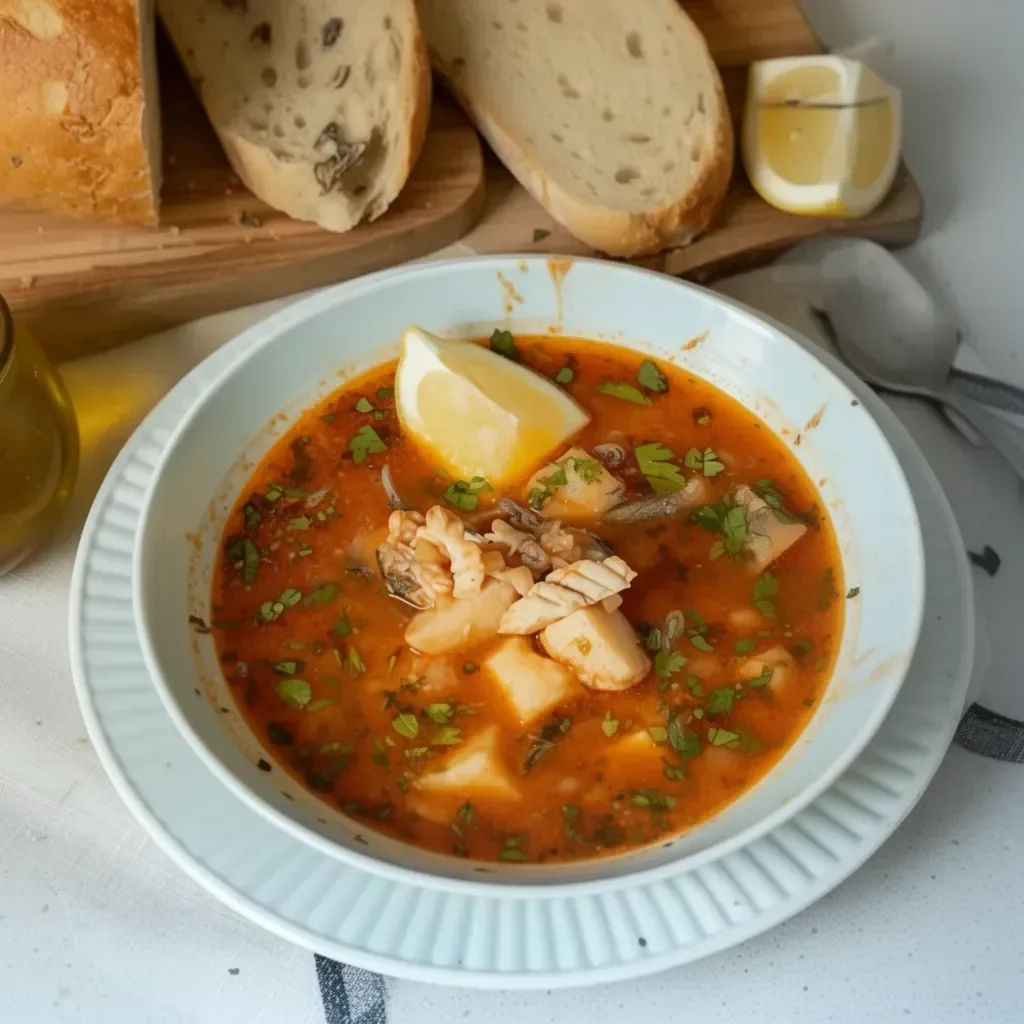
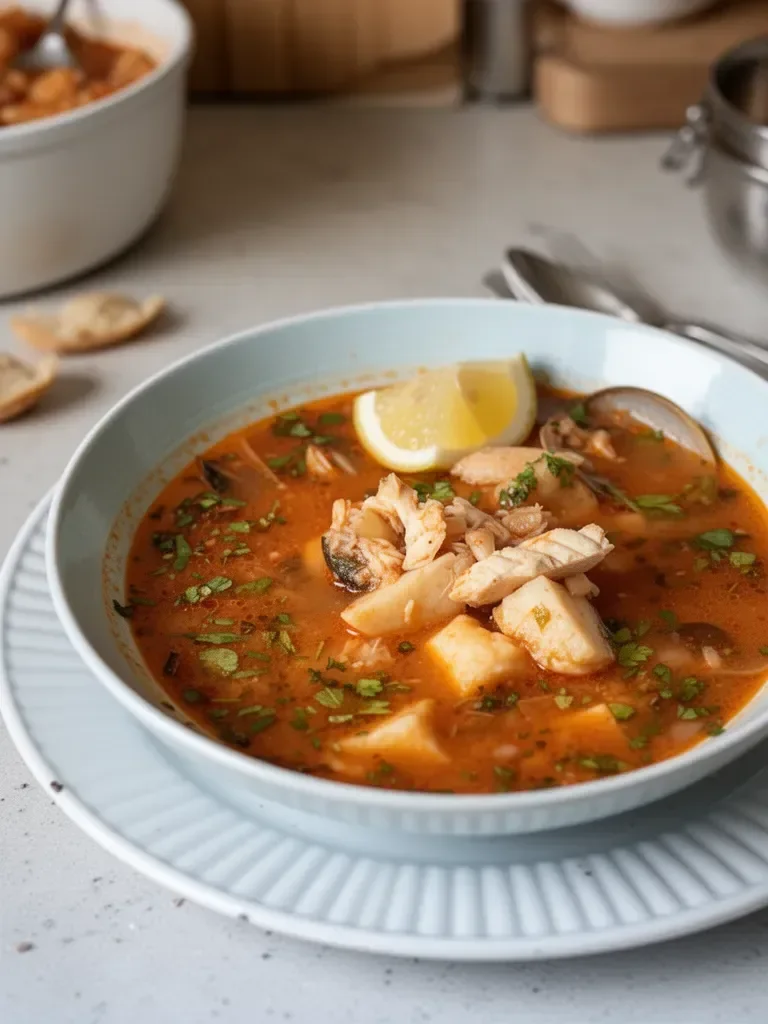
Once your Kakavia reaches the desired taste and consistency, it’s time to serve. Present the soup in generous bowls, showcasing the vibrant hues of tomatoes against the delicate fish and vegetables. A sprinkle of chopped parsley adds a pop of color and freshness, enticing guests even before they take their first bite.
Lemon wedges should sit on the side, inviting everyone to customize their dish further. The aroma of the soup, combined with the fresh garnish, creates an inviting atmosphere at the table.
Pairings and Storage
Kakavia pairs wonderfully with crusty toasted bread or simple crackers. These provide a delightful way to soak up the broth while adding a satisfying crunch. While it stands beautifully on its own, serving a light, fresh salad with a vinaigrette can bring out the flavors of the soup and cleanse the palate.
For storage, this soup keeps well in the refrigerator for a couple of days. However, the fish may start to lose its delicate texture if reheated repeatedly. Consider freezing portions if you want to preserve it longer. Just ensure that you reheat gently on the stove to avoid compromising the fish’s integrity.
The essence of Kakavia brings joy, warmth, and rich flavors to any dining occasion. This soup not only celebrates the sea but embodies the spirit of sharing food with loved ones. By immersing in Mediterranean traditions, each bowl serves as a reminder of culinary heritage. Enjoy crafting Kakavia in your kitchen, and let this timeless recipe warm your heart and home with every serving.
Print
Greek Fisherman’s Soup: Kakavia
- Prep Time: 15 minutes
- Cook Time: 30 minutes
- Total Time: 45 minutes
- Yield: 4 servings
- Category: Soup
- Method: Simmering
- Cuisine: Greek
- Diet: Seafood
Description
A comforting Greek Fisherman’s Soup with fresh white fish, potatoes, and aromatic herbs, embodying the essence of the Mediterranean.
Ingredients
- 2 pounds whole white fish (red snapper, cod, monkfish), scaled and cleaned
- ¼ cup olive oil
- 1 small onion, finely chopped
- 1 celery stalk, diced
- 2 garlic cloves, grated
- 3 potatoes, peeled and diced
- 1 (15-ounce) can of tomatoes, pureed
- Salt and pepper, to taste
- Lemon wedges, for serving
- 2 tablespoons fresh chopped parsley
- 7-8 cups of water
Instructions
- Start by placing the water and the cleaned fish into a large pot. Season the mixture lightly with salt, then bring it to a boil.
- Once boiling, reduce the heat and let it simmer for about 20 minutes.
- After 20 minutes, carefully transfer the fish to a platter. Strain the broth through a fine mesh to catch any bones and unwanted bits, discarding the remnants.
- Wipe down the pot to prepare for the next stage.
- Add the olive oil, onion, and diced celery to the pot over medium heat. Sauté until the onion becomes soft and translucent.
- Grate the garlic and warm through for another minute.
- Next, add the diced potatoes to the mix, seasoning them with salt and pepper.
- Pour in the pureed tomatoes, and let everything cook over medium-low heat for approximately 10 minutes.
- Add the strained stock back to the pot. Bring everything back to a boil, then lower the heat to medium-low, letting it simmer until the potatoes are tender.
- Remove any remaining bones and skin from the fish, discarding them. Cut the flaked fish into chunks and introduce them back into the soup.
- Taste the mixture, adjusting seasoning if necessary. Garnish with freshly chopped parsley, and serve hot with lemon wedges and toasted bread.
Notes
Feel free to experiment with different types of white fish or add vegetables like carrots or leeks for variation.
