
📑 Table of Contents ▶
Foolproof Sushi Rice
Japanese cuisine holds a special place in my heart, especially when it comes to the art of making sushi. The moment I discovered how to prepare sushi rice was a game-changer for me. The right texture and flavor can elevate any sushi dish, whether you’re crafting classic rolls or innovative variations. The experience of combining ingredients and techniques to create a satisfying meal aligns perfectly with my love for simple, flavorful cooking.
Sushi rice serves as the foundation for many delightful sushi experiences. The first time I made this rice, I marveled at how the slightest adjustments could transform the outcome. Using Japanese short-grain rice, or Calrose rice, makes a huge difference. This rice delivers the perfect sticky consistency that clings beautifully, turning every bite into a flavorful mouthful.
To craft the perfect sushi rice, you only need a handful of ingredients and a few simple steps. Rinsing the rice, cooking it properly, and blending in the seasoned vinegar requires just a bit of attention but rewards you with delicious and versatile rice. Let’s dive into the details on how to achieve that perfect sushi rice that will impress your friends and family!
Part 1 — Sushi Rice Fundamentals
Fundamentals
Creating sushi rice is as much about technique as it is about using quality ingredients. The rice serves as a canvas for your sushi creations, and understanding the fundamentals will lead you to success. The main goal here is to achieve that ideal sticky texture without being overly mushy. The balance of flavors and that perfect seasoning will enhance your sushi rolls when done correctly.
Good sushi rice starts with rinsing and soaking to remove excess starch. This simple initial step promotes better texture and prevents the rice from clumping together. Japanese short-grain or Calrose rice is the best option, as it has just the right amount of stickiness. This rice variety absorbs water effectively and stays cohesive throughout the cooking process.
Preparation/setup
To begin, ensure your workspace is clean and organized. Gather the ingredients: 2 cups of Japanese short-grain rice, 1 teaspoon of salt, ⅓ cup of rice vinegar, 2 tablespoons of sugar, and water. Rinsing the rice prepares it for cooking and is crucial to achieving great sushi rice. Set your strainer in the sink and place the rice inside. Rinse for a minute or two until the water runs clear, washing away the excess starch.
After rinsing, pour the rice into a stovetop pot and add 2 cups of cold water. Bringing the pot to a boil over medium-high heat without the lid sets the stage for proper cooking. Keep an eye on it to avoid any overflows, as this can happen quickly. Once the rice reaches a boil, turn the heat down low, cover the pot, and let it cook.
Ingredients
Using simple, fresh ingredients brings out the best in your sushi rice. You will need the following:
- 2 cups of Japanese short-grain rice (Calrose rice)
- 1 teaspoon of salt
- ⅓ cup of rice vinegar
- 2 tablespoons of sugar
- Water
These ingredients combine to create a harmonious balance that gives sushi rice its distinct flavor. The sweetness from sugar, combined with salt’s seasoning, complements the tang of rice vinegar, forming the ideal blend for sushi.
Directions
- In a strainer, rinse the rice for a minute or two until the water runs clear.
- Pour the rice into a stovetop pot and add 2 cups of cold water.
- Over medium-high heat, bring the pot to a boil (without the lid).
- Once the rice boils, turn the heat to low and cover the pot.
- Set a timer for 10 minutes, then remove the pot from the heat.
- Without removing the lid, let the rice sit for 15 more minutes.
- Prepare a separate saucepan. Combine the sugar, salt, and rice vinegar over low flame until dissolved.
- After the rice has sat for 15 minutes, pour the combined mixture over it.
- Gently fold the rice upon itself to mix.
- Once the rice has cooled to just above room temperature (not too hot to touch), start assembling your sushi.
Part 2 — Perfecting Sushi Rice Technique
Technique
Perfecting your sushi rice technique involves understanding the cooking process and making small adjustments based on your environment. The key to great sushi rice lies not only in the ingredients but also in the cooking method. Using a stovetop allows for even heating, which is important for achieving the perfect texture. Remember, every kitchen varies, so if your rice doesn’t seem quite right the first time, take notes and adjust as needed.
After cooking, allowing the rice to sit with the lid on for an additional 15 minutes creates steam that enhances the texture. The rice continues to absorb the moisture and flavors during this resting period. Patience pays off—resist the urge to lift the lid prematurely.
Tips/tricks
Here are some helpful tips to ensure your sushi rice turns out perfectly every time:
- Use a quality rice. Select authentic Japanese short-grain or Calrose rice for optimal stickiness.
- Rinse thoroughly. Ensure you rinse until the water runs clear to achieve the best texture.
- Adjust water as needed. Your cooking environment, altitude, and even the humidity can affect how much water your rice absorbs.
- Use a wooden paddle or spatula when mixing in the vinegar. This prevents damaging the delicate grains of rice.
- Let the rice cool naturally without rushing it. This keeps the rice at its best consistency for sushi-making.
Part 3 — Troubleshooting Sushi Rice
Perfecting results
Achieving the perfect sushi rice may take a few attempts, especially if it’s your first time. Keep in mind that practice leads to perfection. If you notice your rice is too wet or gummy, consider reducing the water next time. On the other hand, if it turns out too dry, try increasing the water slightly during cooking.
Taste is also a significant aspect. If the rice lacks flavor, slightly increase the sugar or salt in your seasoning mix. Always taste your seasoned rice before using it in recipes to adjust flavors.
Troubleshooting/variations
Common issues with sushi rice include undercooked grains, uneven stickiness, or overly soft rice. If the seaweed wrap comes apart or the sushi fails to hold, it might indicate that the rice texture didn’t meet expectations.
Taking the time to adjust each step will lead to improvements. For those who enjoy experimenting, feel free to incorporate different vinegars or add a touch of mirin for additional sweetness. Discovering what works best for your palate can lead to delightful variations.
Part 4 — Serving Sushi Rice
Serving/presentation
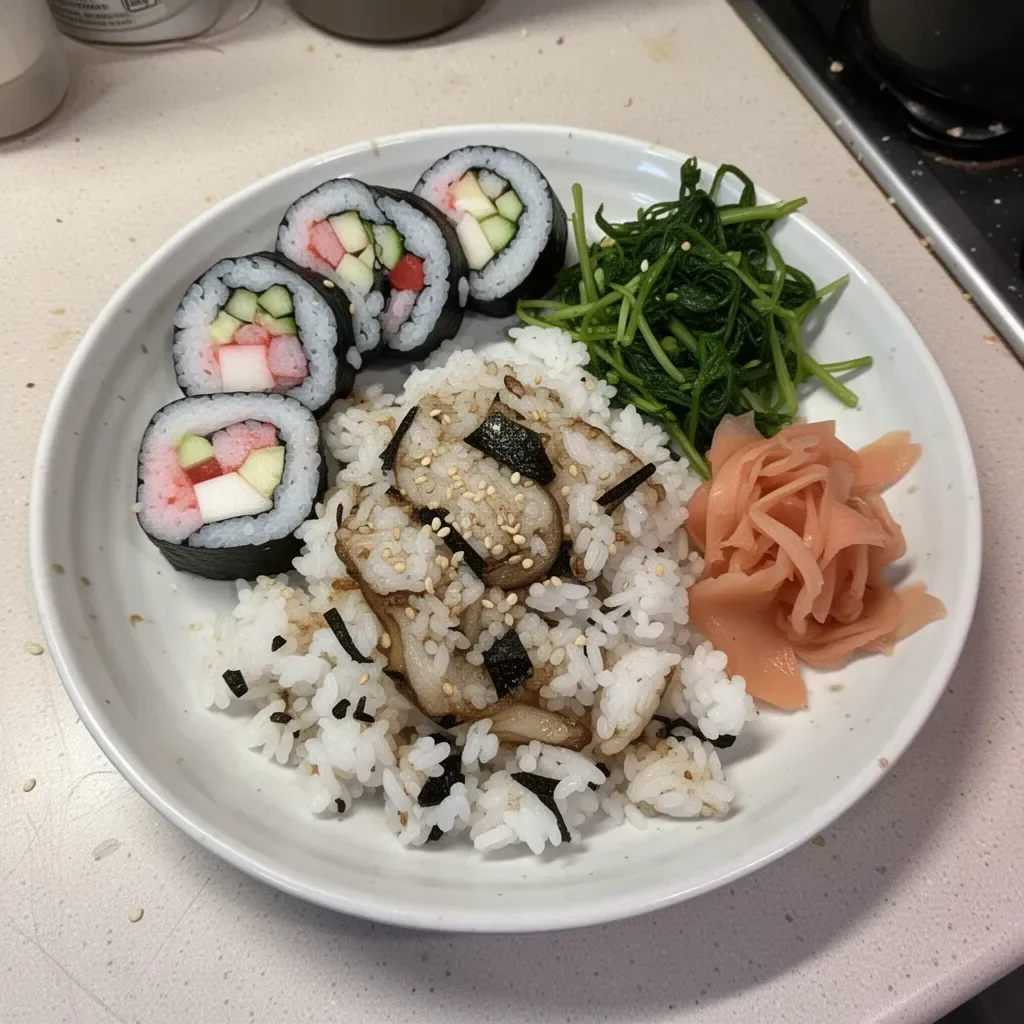
When it comes to serving your sushi rice, presentation matters. When you prepare sushi rolls, a neat and compact rice layer will enhance the overall experience. Using a bamboo sushi mat can help shape your sushi neatly, ensuring the rice holds together well when wrapped.
Consider garnishing your sushi plate with fresh vegetables or a hint of wasabi to enhance the visual appeal. A few slices of pickled ginger on the side not only brighten the plate but also provides a refreshing contrast to the sushi flavors.
Pairings/storage
Sushi rice pairs beautifully with various fillings and toppings. You can use it for traditional sushi rolls, poke bowls, or even onigiri. In terms of storage, it’s best to keep any leftover sushi rice in an airtight container in the refrigerator. Consume it within a couple of days for the best flavor and texture. If the rice hardens, simply add a splash of water and reheat to refresh.
Now that you know how to create the perfect sushi rice, you’re ready to impress friends and family with your sushi-making skills. Enjoy the process and let your creativity shine while assembling delicious sushi rolls!
Print
Foolproof Sushi Rice
- Prep Time: 15 minutes
- Cook Time: 25 minutes
- Total Time: 40 minutes
- Yield: 4 servings
- Category: Side Dish
- Method: Stovetop
- Cuisine: Japanese
- Diet: Vegetarian
Description
Learn how to prepare perfect sushi rice with this simple method, ensuring ideal texture and flavor for all your sushi creations.
Ingredients
- 2 cups of Japanese short-grain rice (Calrose rice)
- 1 teaspoon of salt
- ⅓ cup of rice vinegar
- 2 tablespoons of sugar
- Water
Instructions
- Rinse the rice for a minute or two until the water runs clear.
- Pour the rice into a stovetop pot and add 2 cups of cold water.
- Over medium-high heat, bring the pot to a boil (without the lid).
- Once the rice boils, turn the heat to low and cover the pot.
- Set a timer for 10 minutes, then remove the pot from the heat.
- Without removing the lid, let the rice sit for 15 more minutes.
- Prepare a separate saucepan and combine the sugar, salt, and rice vinegar over low flame until dissolved.
- After the rice has sat for 15 minutes, pour the combined mixture over it.
- Gently fold the rice upon itself to mix.
- Once the rice has cooled to just above room temperature, start assembling your sushi.
Notes
Ensure to rinse the rice thoroughly to achieve the best texture. Adjust water as needed based on your cooking environment.
