
📑 Table of Contents ▶
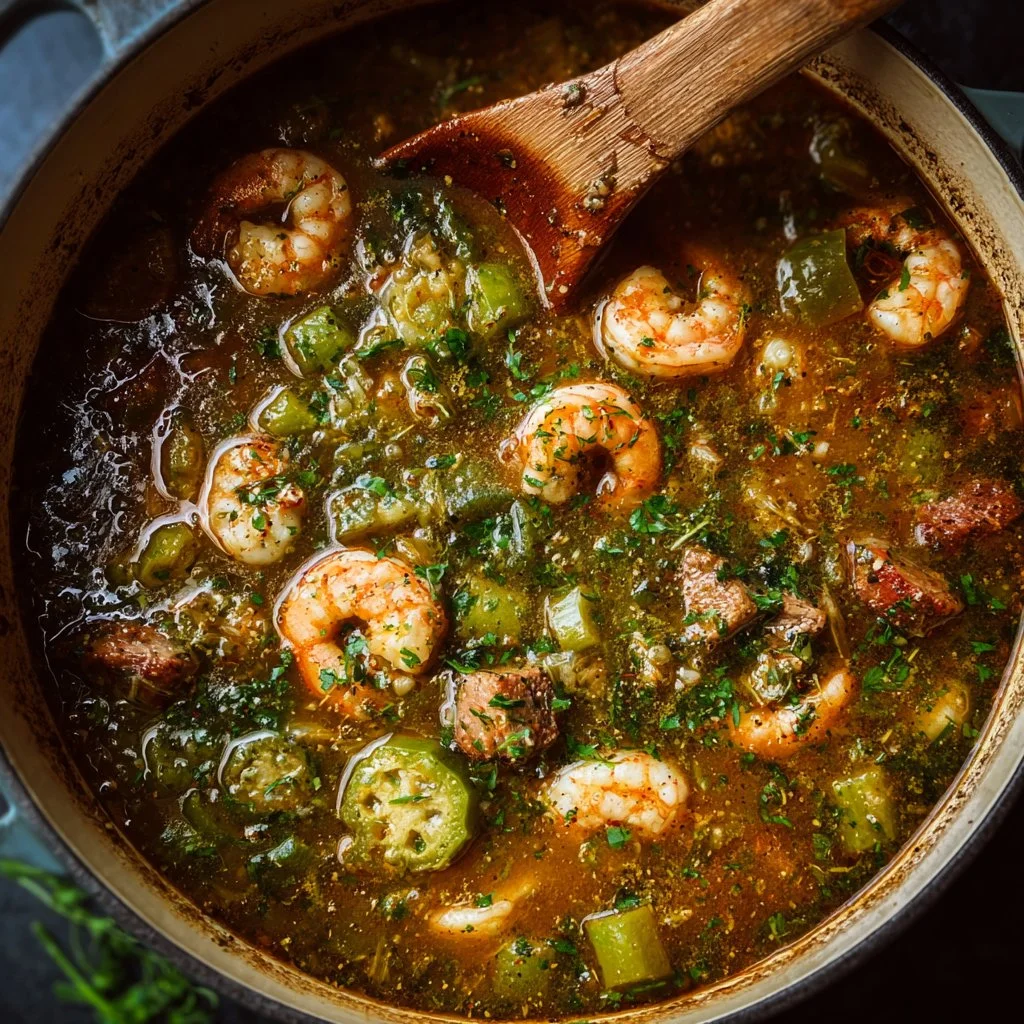
Cajun Seafood Gumbo
Savoring a bowl of Cajun seafood gumbo brings back fond memories of weekends spent at my grandmother’s house. She would spend hours in the kitchen, stirring a pot of rich, aromatic broth that filled every corner of her home with warmth. The flavors danced together, blending spices and the catch of the day to create an unforgettable experience.
Now, I find joy in recreating that dish, a true staple of coastal cuisine. Each of the seafood components like shrimp, crab, and fish adds its unique touch to the gumbo, making every bowl a delightful adventure. Embracing the bold flavors of Cajun seasoning elevates this hearty dish, transporting you straight to the heart of Louisiana with each spoonful.
Making gumbo is not just about following a recipe; it’s about personalizing the dish and celebrating the tradition it embodies. Enjoying gumbo while surrounded by family and friends makes it even more special. So, let’s dive into the world of Cajun seafood gumbo and explore how to make this classic dish from scratch.
Cajun Seafood Gumbo: The Heart of Flavor
Fundamentals
At its core, Cajun seafood gumbo is a harmonious melding of rich flavors, textures, and the love of cooking. The key to a great gumbo lies in the roux — a mixture of flour and fat cooked to perfection. This roux becomes the foundation of the dish, providing thickness and a deep, nutty flavor.
A traditional gumbo showcases the freshest seafood available. This recipe features shrimp, white fish, crab meat, and oysters, each adding unique tastes and textures. The gumbo’s depth owes much to the Holy Trinity of Cajun cooking — onions, bell peppers, and celery — which imparts a savory bouquet that elevates the entire dish.
Preparation/Setup
Begin by gathering all your ingredients. Having everything ready turns cooking into a smooth process. You’ll need shrimp, white fish, crab meat, oysters, sliced okra, vegetable oil, flour, a chopped onion, a chopped green bell pepper, chopped celery, minced garlic, seafood stock, Cajun seasoning, salt, and pepper.
A large pot or Dutch oven works best for this recipe, giving you ample space for simmering the seafood and building layers of flavor. Ensure that all seafood is prepped — shrimp peeled and deveined, fish cut intochunks, and oysters shucked. This preparation allows you to dive straight into the cooking process without interruption.
Ingredients
This recipe highlights the essential ingredients that come together to create a delightful Cajun seafood gumbo:
- 1 lb shrimp, peeled and deveined
- 1 lb white fish, cut into chunks
- 1 lb crab meat
- 1 cup oysters, shucked
- 1 cup okra, sliced
- 1/2 cup vegetable oil
- 1/2 cup flour
- 1 onion, chopped
- 1 green bell pepper, chopped
- 1 stalk celery, chopped
- 4 cloves garlic, minced
- 6 cups seafood stock or water
- 2 teaspoons Cajun seasoning
- Salt and pepper to taste
- Cooked rice for serving
- Chopped green onions for garnish
Directions
Start by heating the vegetable oil in your large pot over medium heat. Add the flour and stir continuously to create a roux. Aim for a deep brown color; this process typically takes about 15-20 minutes. The roux is where the magic happens, as its nuttiness forms the backbone of your gumbo.
Next, toss in the chopped onion, green bell pepper, celery, and minced garlic. Stir and cook until the vegetables soften, capturing all those lovely flavors. Slowly introduce the seafood stock, whisking until the roux integrates seamlessly.
Now it’s time to add the Cajun seasoning and bring the pot to a simmer. Carefully mix in the shrimp, white fish, crab, oysters, and okra. Let everything bubble gently for 20-30 minutes until the seafood cooks through and the gumbo thickens. Season with salt and pepper to taste.
Serve your gumbo over a heaping scoop of cooked rice and garnish it with chopped green onions for a pop of freshness!
Elevating Your Gumbo Game
Technique
Mastering Cajun seafood gumbo requires attention to detail in your technique. The roux, as mentioned, is crucial; don’t rush this process. The darker the roux, the richer the final flavor. Stir often to prevent burning and ensure an even brown color.
Simmering is also essential. Letting your seafood stew is where the flavors truly meld. As different ingredients release their natural juices, the gumbo transforms into a complex interplay of tastes.
Tips/Tricks
While the traditional version is fantastic, feel free to customize your gumbo. Consider adding other seafood like mussels or clams for variety. Adjust your seasoning based on personal preference; some might like a spicier kick, while others may prefer a milder taste.
If you find the gumbo too thick, a splash of additional stock or water can help reach the desired consistency. For an added layer of flavor, try incorporating smoked sausage or andouille sausage, if that suits your dietary preferences.
Perfecting Cajun Seafood Gumbo
Perfecting Results
Every bowl of gumbo should offer a hearty, rich taste. To get it just right, ensure that your seafood is fresh. When using frozen seafood, consider thawing it beforehand to allow for even cooking.
Don’t be afraid to taste! Regular sampling throughout the cooking process helps you adjust flavors and seasoning, ensuring the final dish is perfect for your palate.
Troubleshooting/Variations
If your gumbo turns out too spicy, balancing it with a dairy element, like heavy cream, can help tone down the heat. If you wish for more depth, consider adding a tablespoon of Worcestershire sauce during cooking.
For those who prefer a vegetarian version, swap seafood for mushrooms and add more vegetables. You can maintain the rich flavor by sticking to the roux and other essential components while still enjoying a comforting bowl.
Serving Cajun Seafood Gumbo
Serving/Presentation
Presenting your Cajun seafood gumbo can turn dinner into a feast. Serve your gumbo steaming hot in bowls, each topped with a generous scoop of fluffy cooked rice. Green onions sprinkled on top add a delightful color contrast, enhancing visual appeal.
Served alongside crusty French bread, this dish becomes even more inviting. Encouraging guests to ladle their own gumbo fosters a sense of community and makes dining enjoyable.
Pairings/Storage
Common sides for gumbo include cornbread or a light salad that balances the dish’s richness. Store leftover gumbo in an airtight container in the fridge for up to three days. Reheating gently ensures flavors stay intact and the consistency remains pleasing.
For longer storage, consider freezing individual portions, which can be enjoyed when the craving for gumbo hits.
With the right approach, making Cajun seafood gumbo transforms a simple dish into a culinary experience cherished for its depth and flavor. Enjoy preparing this classic recipe that embodies the heart and soul of Cajun cooking, and savor each delicious spoonful!
