
📑 Table of Contents ▶
Baked Salmon with Citrus Glaze
Growing up near the water instilled a profound appreciation for seafood in my life. A simple salmon fillet, beautifully baked with the right seasoning, can transport me right back to those blissful summer days by the shore. The excitement of preparing a salmon dish still stirs joy within me. There’s something magical about taking the freshest fish and transforming it into a flavorful meal.
This baked salmon with citrus glaze highlights the natural flavors of the fish while ensuring that it remains moist and tender. The citrus glaze infuses juicy brightness that complements the rich salmon beautifully. Many home cooks shy away from preparing seafood because they think it’s too complicated, but I assure you, this dish is both easy and incredibly rewarding.
When I crave seafood, baked salmon is the first dish that comes to mind. The crispy, caramelized exterior paired with a tangy glaze makes my taste buds sing. I can confidently say that once you make this recipe, it will become a staple in your meal rotation too.
Baked Salmon: A Delightful Seafood Dish
Fundamentals
Baked salmon serves as a fantastic weeknight dinner option that even the busiest cooks can master. The process itself is straightforward, and the end result dazzles with taste and presentation. In this recipe, the citrus glaze acts as a perfect pairing for salmon, enhancing its natural flavors. Each bite proves to be a delightful mix of sweetness, tanginess, and umami. This dish leverages healthy ingredients without compromising on flavor – making it ideal for health-conscious individuals and families alike.
Preparation/setup
When preparing this baked salmon recipe, make sure to gather all your ingredients beforehand. This organization will make the cooking process seamless. Begin by preheating your oven to a warm 400°F (200°C) to ensure that your salmon bakes evenly. Line a baking sheet with parchment paper or aluminum foil for easy cleanup. If using foil, remember to lightly grease it to prevent sticking.
For the salmon to reach its full potential, patting it dry is essential. This step is crucial in achieving a beautiful sear and ensuring the citrus glaze adheres perfectly. Place the salmon skin-side down on the baking sheet, and prepare to drizzle it with olive oil. The oil not only facilitates browning but also enriches the dish with additional flavor.
Ingredients
To create this delightful baked salmon, you’ll need:
- 4 (6-ounce) salmon fillets
- 1 tablespoon olive oil
- ½ teaspoon salt
- ¼ teaspoon black pepper
For the citrus glaze, gather:
- ½ cup fresh orange juice
- 2 tablespoons fresh lemon juice
- 3 tablespoons honey
- 2 tablespoons soy sauce (low sodium recommended)
- 1 tablespoon Dijon mustard
- 2 cloves garlic, minced
- 1 teaspoon fresh ginger, grated
- 1 teaspoon orange zest
- 1 teaspoon cornstarch (optional)
Optionally, garnish with chopped parsley or chives for an extra colorful touch.
Directions
- Preheat your oven to 400°F (200°C) and line a baking sheet with parchment paper or foil, greasing if necessary.
- Pat the salmon fillets dry, placing them skin-side down on the baking sheet.
- Drizzle the salmon with olive oil, seasoning generously with salt and black pepper.
- To make the citrus glaze, combine fresh orange juice, lemon juice, honey, soy sauce, Dijon mustard, minced garlic, and grated ginger in a small saucepan. Whisk until well-combined.
- Bring the mixture to a gentle simmer over medium heat, allowing it to simmer for 5-7 minutes until it thickens slightly. If desired, incorporate the cornstarch slurry for a thicker glaze during the last minute of cooking. Stir in the orange zest after removing from heat.
- Spoon or brush about half of the glaze over each salmon fillet.
- Transfer the baking sheet to the oven and bake for 12-18 minutes. Cook until the salmon flakes easily with a fork and reaches your preferred level of doneness.
- If you like a more caramelized finish, add some reserved glaze during the last 2-3 minutes of baking or broil for the last minute, keeping a close watch to prevent burning.
- Once cooked, let the salmon rest for 3-5 minutes. Drizzle with the remaining glaze and garnish with fresh parsley or chives.
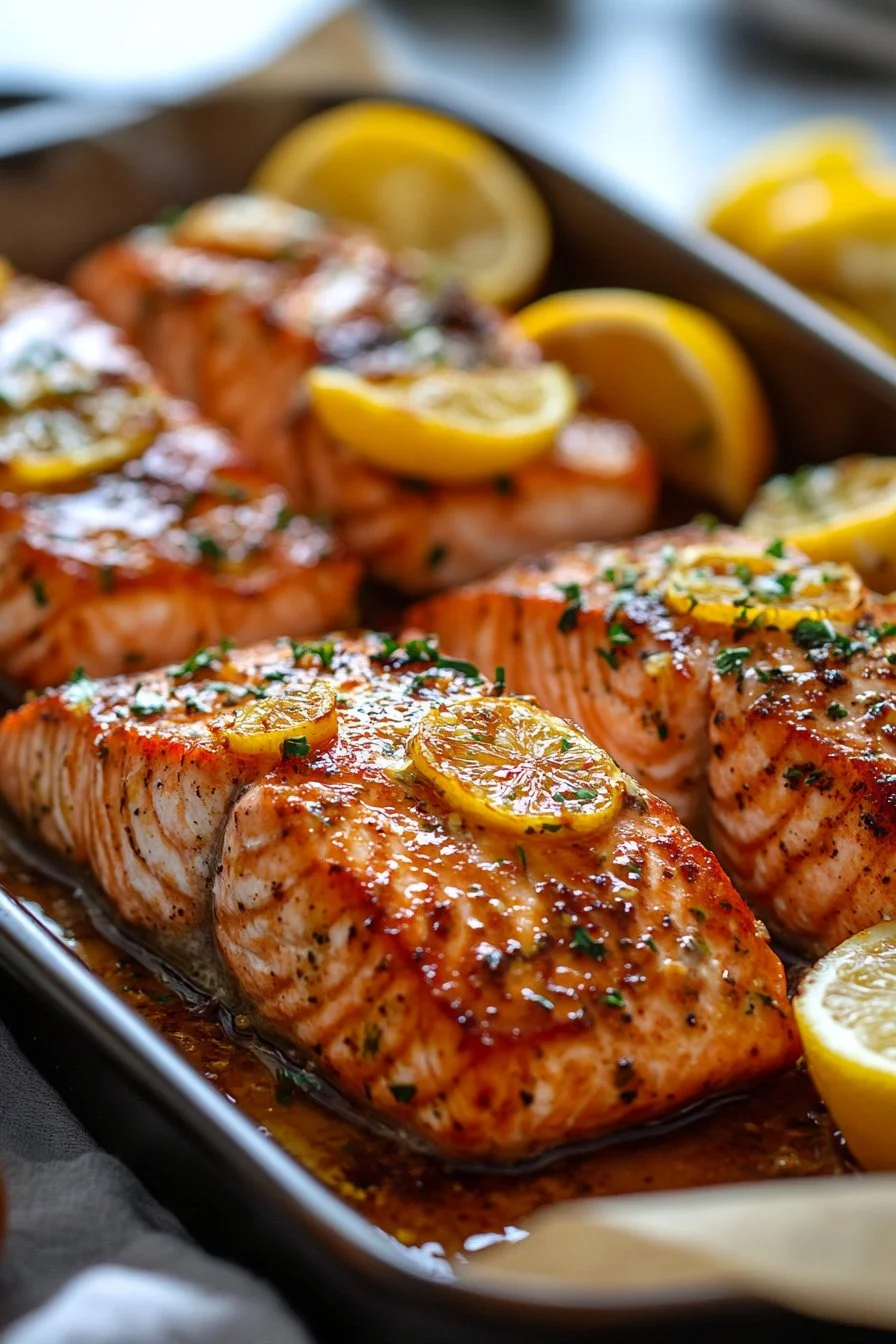
Citrus-Infused Baking Technique
Technique
Baking is one of the simplest yet most effective methods for preparing salmon. The technique allows you to harness the fish’s natural oils, ensuring it cooks evenly while remaining moist. This recipe for baked salmon with citrus glaze showcases the flavors of the glaze, which enhances the salmon’s richness. Making small tweaks to the cooking time and temperature can lead to different textures and caramelization levels. Experimentation provides the chance to find the perfect combination that suits your palate.
Tips/tricks
When preparing this dish, one invaluable tip is to watch the internal temperature of the salmon. Aim for 130-135°F for medium or 140-145°F for well-done fillets. Salmon can easily overcook, leading to dryness, so keep a close eye on those final minutes. Using a food thermometer helps ensure accurate cooking.
In addition to temperature, feel free to adjust the balance between sweetness and tang in the glaze by modifying the honey and lemon juice proportions. If a bit more zing is desired, increase the lemon juice slightly. Alternatively, for added depth, consider playing with spices like cayenne or paprika.
Perfecting Your Baked Salmon
Perfecting results
Achieving a perfectly flaky salmon fillet requires attention to detail during the cooking process. One technique is to allow the salmon to rest after baking. This rest period lets the juices redistribute, resulting in a moist, flavorful meal. If you prefer a crispier exterior, consider marinating the salmon in the citrus glaze before baking.
You can also enhance the complexity of the flavor by experimenting with different citrus fruits in the glaze. Grapefruit or lime juice can offer unique twists, making your baked salmon a new experience every time.
Troubleshooting/variations
In case your salmon doesn’t turn out as expected, don’t worry! Many factors influence cooking results, from thickness to oven variances. If the salmon appears undercooked, return it to the oven for an additional few minutes. Conversely, if it’s too dry, ensure that next time you monitor the internal temperature more closely.
Feel free to modify the recipe to suit your tastes. For example, swap out honey for maple syrup for a unique sweetness or add additional herbs like dill or thyme to the glaze to create a completely fresh flavor.
Serving Your Baked Salmon
Serving/presentation
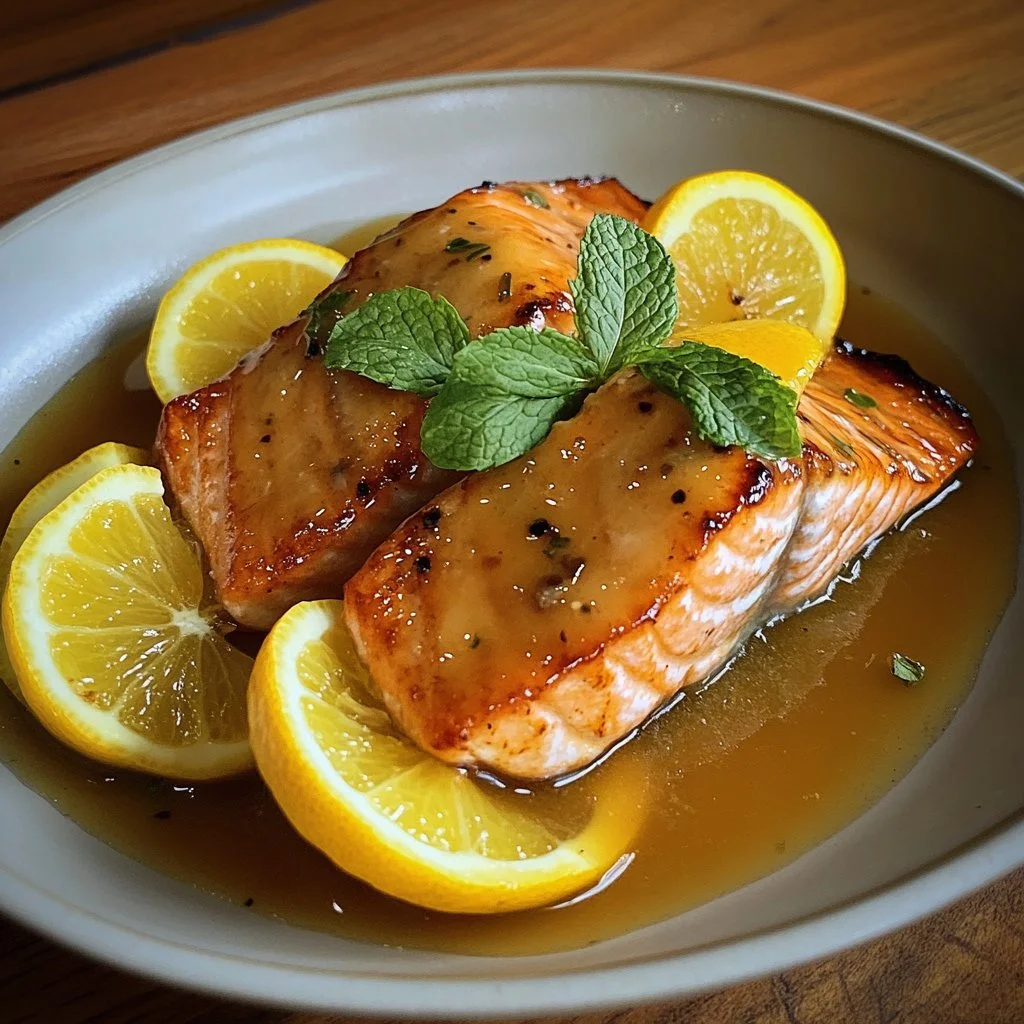
To serve your baked salmon with citrus glaze, consider a simple yet elegant presentation. Place each fillet on a plate, drizzling more glaze over each piece. Garnish with fresh chopped parsley or chives for a visually appealing finish. Pair it with vibrant sides like roasted vegetables or a light salad to create a well-rounded meal.
Pairings/storage
This baked salmon pairs beautifully with sides like quinoa, rice, or steamed vegetables. For a complete meal, you might also serve it with a refreshing cucumber salad or roasted asparagus.
If you find yourself with leftover salmon, store it in an airtight container in the refrigerator for up to three days. The flavors will deepen and can even be enjoyed cold in salads or sandwiches. When reheating, be careful not to dry out the fish; a gentle warming in the oven will do the trick.
This versatile baked salmon with citrus glaze serves as a delicious way to incorporate seafood into your diet. Simple yet full of flavor, it’s bound to become a cherished recipe. The perfect balance of sweetness and acidity makes this dish not just satisfying for your taste buds, but also a healthy option from the sea. The ability to customize and explore variations keeps it exciting for any home cook—whether you’re a seasoned chef or just starting in the kitchen.
Print
Baked Salmon with Citrus Glaze
- Prep Time: 15 minutes
- Cook Time: 18 minutes
- Total Time: 33 minutes
- Yield: 4 servings
- Category: Main Course
- Method: Baking
- Cuisine: Mediterranean
- Diet: Paleo
Description
A delightful baked salmon dish enhanced with a citrus glaze that highlights natural flavors.
Ingredients
- 4 (6-ounce) salmon fillets
- 1 tablespoon olive oil
- ½ teaspoon salt
- ¼ teaspoon black pepper
- ½ cup fresh orange juice
- 2 tablespoons fresh lemon juice
- 3 tablespoons honey
- 2 tablespoons soy sauce (low sodium recommended)
- 1 tablespoon Dijon mustard
- 2 cloves garlic, minced
- 1 teaspoon fresh ginger, grated
- 1 teaspoon orange zest
- 1 teaspoon cornstarch (optional)
- Chopped parsley or chives (for garnish)
Instructions
- Preheat your oven to 400°F (200°C) and line a baking sheet with parchment paper or foil, greasing if necessary.
- Pat the salmon fillets dry, placing them skin-side down on the baking sheet.
- Drizzle the salmon with olive oil, seasoning generously with salt and black pepper.
- To make the citrus glaze, combine fresh orange juice, lemon juice, honey, soy sauce, Dijon mustard, minced garlic, and grated ginger in a small saucepan. Whisk until well-combined.
- Bring the mixture to a gentle simmer over medium heat, allowing it to simmer for 5-7 minutes until it thickens slightly. If desired, incorporate the cornstarch slurry for a thicker glaze during the last minute of cooking. Stir in the orange zest after removing from heat.
- Spoon or brush about half of the glaze over each salmon fillet.
- Transfer the baking sheet to the oven and bake for 12-18 minutes. Cook until the salmon flakes easily with a fork and reaches your preferred level of doneness.
- If you like a more caramelized finish, add some reserved glaze during the last 2-3 minutes of baking or broil for the last minute, keeping a close watch to prevent burning.
- Once cooked, let the salmon rest for 3-5 minutes. Drizzle with the remaining glaze and garnish with fresh parsley or chives.
Notes
Monitor the internal temperature of the salmon to prevent overcooking.
