
📑 Table of Contents ▶
Ahi Tuna Marinade Recipe
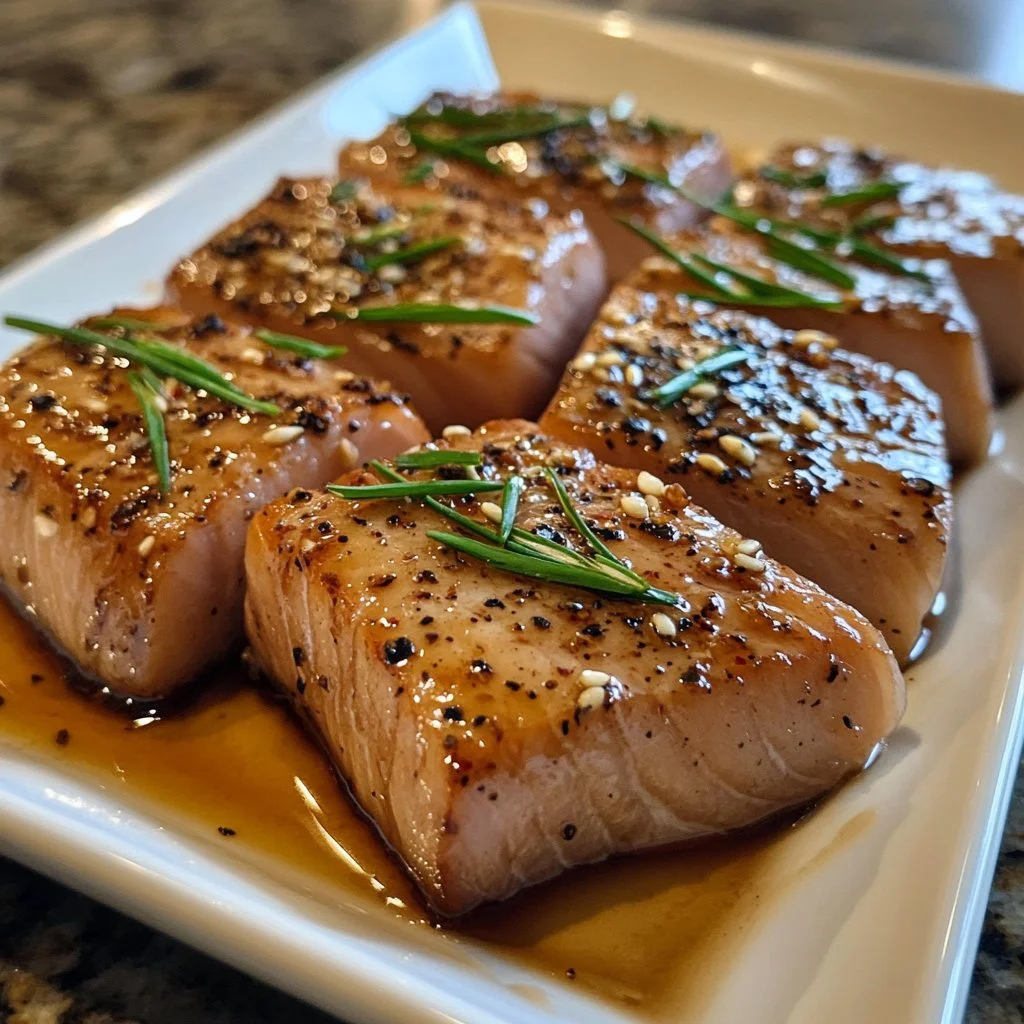
Crafting the perfect ahi tuna marinade can transform simple tuna steaks into an unforgettable meal. Imagine slicing into a beautifully seared filet, its exterior crust crisp and flavorful, while the center remains tender and pink. This tuna is marinated to perfection, sporting an irresistible blend of savory, sweet, and spicy notes.
Cooking with ahi tuna invokes memories of sun-soaked days along the coast, where fresh seafood takes center stage. The essence of a great marinade enhances the natural flavors of the fish while keeping it moist and tender. Each component of the marinade works in harmony, creating a dish that not only delights your taste buds but also captures the spirit of coastal dining.
In this recipe, you’ll explore an easy and approachable method to create an ahi tuna marinade that can elevate your cooking game. With just a few ingredients, you can revel in the beauty of this delicious seafood dish, perfect for any occasion.
Ahi Tuna Marinade Essentials
Fundamentals
Marinating ahi tuna is crucial for infusing flavor and achieving the perfect texture. The right marinade can make all the difference, allowing the natural richness of the fish to shine while adding layers of taste. In this recipe, we utilize a blend of traditional Asian flavors, bringing together soy sauce and fresh ginger for a refreshing zest.
The addition of gochujang, a Korean chili paste, introduces a unique kick, giving the tuna a spicy undertone that elevates the dish to new heights. Balancing this with honey provides a subtle sweetness, while rice vinegar offers a tangy brightness. Together, these ingredients create a rich, complex flavor profile that bathes the tuna in deliciousness.
Preparation/Setup
Before diving into the marinade, it’s essential to prepare the ahi tuna steaks correctly. Start by patting the tuna steaks completely dry with paper towels. This step is crucial as it prevents the marinade from becoming diluted and ensures a lovely sear later on.
Gather a shallow dish for marinating. This allows for even coverage of the marinade when soaking the tuna. In this dish, you will whisk together low-sodium soy sauce, sesame oil, rice vinegar, ginger, garlic, and gochujang. Ensure that the marinade fully encompasses the tuna by turning the steaks occasionally while they soak. Allowing the tuna to marinate for 15-20 minutes at room temperature maximizes the absorption of flavors.
Ingredients
To create your dazzling ahi tuna marinade, you’ll need the following ingredients:
- 2 ahi tuna steaks (approx. 12-14 oz total)
- 2 tbsp low-sodium soy sauce (or gluten-free tamari)
- 1 tbsp fresh grated ginger
- 2 cloves fresh minced garlic
- 2 tbsp gochujang (Korean chili paste)
- 2 tbsp honey (or maple syrup)
- 1 tbsp rice vinegar
- 1 tbsp toasted sesame oil
- 1 tsp cornstarch mixed with 1 tbsp cold water
- 1 tbsp neutral oil (canola or grapeseed)
- Toasted sesame seeds and sliced green onion (for garnish)
Directions
- Pat the tuna steaks completely dry.
- In a shallow dish, whisk together the soy sauce, 2 teaspoons of sesame oil, 2 teaspoons of rice vinegar, 2 teaspoons of ginger, 1 minced garlic clove, and 1 tablespoon of gochujang.
- Marinate the tuna for 15-20 minutes at room temperature, turning occasionally to ensure even coating.
- While the tuna marinates, combine the remaining sesame oil, rice vinegar, ginger, garlic, gochujang, and honey in a small saucepan. Bring to a simmer over medium heat.
- In a separate bowl, whisk the cornstarch and cold water to create a slurry. Add this mixture to the saucepan and stir constantly until the sauce thickens, about 1-2 minutes. Set aside.
- Remove the tuna from the marinade and pat dry again.
- Heat the neutral oil in a heavy-bottomed pan over high heat until shimmering or smoking.
- Sear the tuna steaks for 60-90 seconds per side, achieving a lovely crust while keeping the inside rare to medium-rare.
- Let the seared tuna rest for 2 minutes on a cutting board. Slice the tuna against the grain into 1 cm pieces.
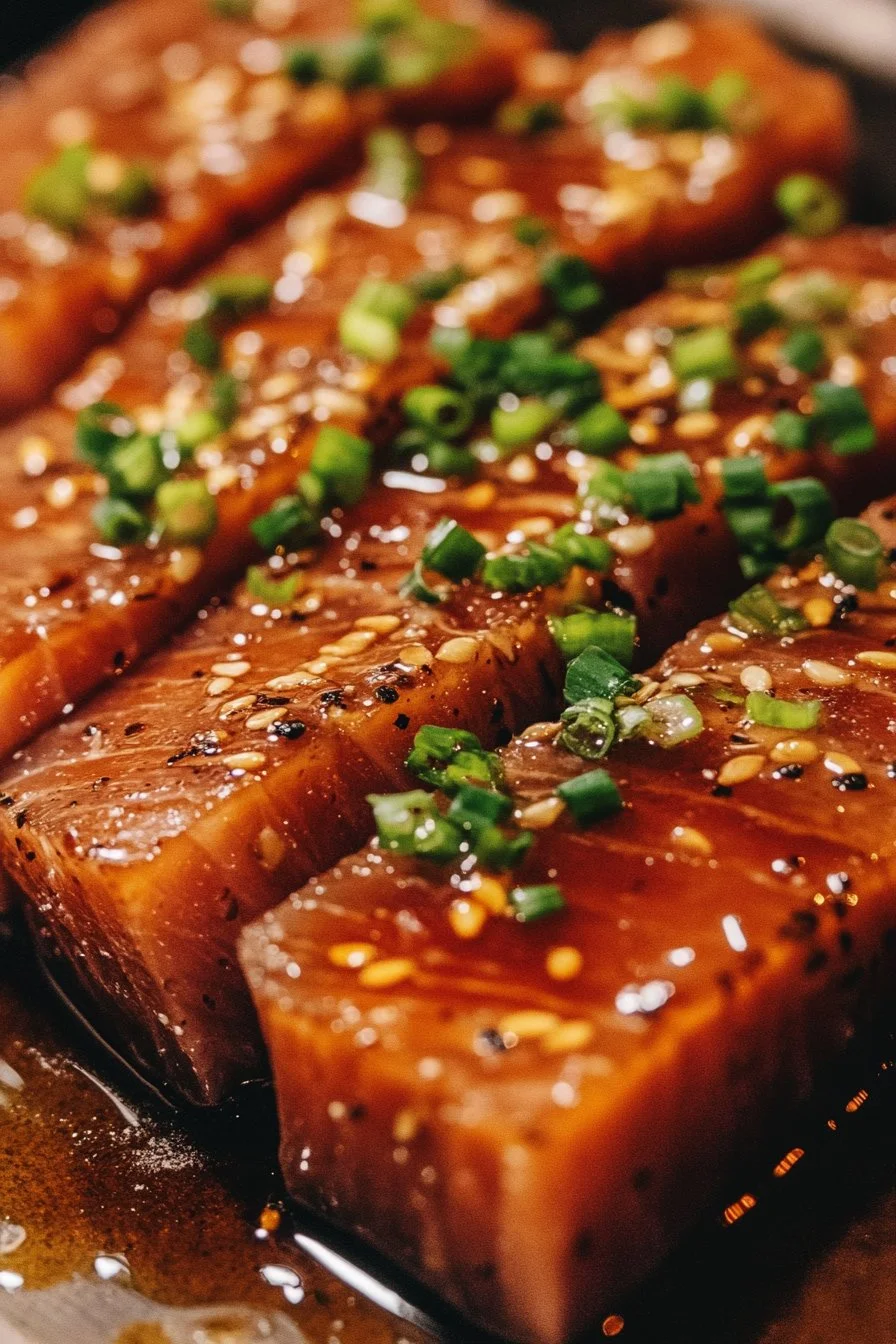
- Arrange the tuna on plates, drizzle with the warm glaze, and garnish with toasted sesame seeds and sliced green onions.
Flavorful Variations and Techniques
Technique
Perfecting the searing technique is key to achieving that sought-after crust while preserving the delicate texture of the fish. When heating the neutral oil, ensure your pan is sufficiently hot. This quick, high-heat cooking method sears the outside while keeping the inside tender and juicy.
Additionally, pay attention to the timing; a light sear of 60-90 seconds per side allows the fish to maintain a beautiful rare or medium-rare center. Letting the tuna rest after searing is vital; it helps redistribute the juices, ensuring every bite remains succulent.
Tips/Tricks
Experimenting with the marinade opens up a world of possibilities. For those keen on customizing flavors, consider adding citrus zest, such as lime or orange, for extra brightness. Alternatively, incorporating fresh herbs like cilantro or mint can take the dish in a new direction.
If you prefer a spicier kick, increase the amount of gochujang in the marinade or accompany the dish with a spicy dipping sauce. Always taste as you mix the marinade; you can adjust ingredients to suit personal preferences, ensuring a tailored flavor profile.
Elevating Your Ahi Tuna Experience
Perfecting Results
To achieve the perfect results, invest in high-quality ahi tuna. Fresh, sushi-grade fish not only enhances flavor but also guarantees the best texture. When sourcing your tuna, look for bright red color with minimal browning; this indicates freshness and quality.
Proper storage is also essential if you are not consuming the tuna immediately. Keep it wrapped tightly in the refrigerator, where it can last for a day or two. For longer storage, consider freezing the tuna, although this may slightly alter the texture.
Troubleshooting/Variations
Sometimes, searing tuna might result in a less desirable crust or uneven cooking. If the fish sticks to the pan, ensure it’s adequately heated and avoid overcrowding. Should it be overcooked, monitor the timing more closely on your next attempt, as each piece of fish may cook differently based on thickness.
For variations, consider utilizing this marinade for grilling or broiling your tuna steaks. The flavors will still shine through, and experimenting with different cooking methods can lead to delightful results.
Serving Ideas and Storage Guidelines
Serving/Presentation
Presentation plays a crucial role in elevating your dish. Serve the sliced tuna on a bed of greens or alongside vibrant sautéed vegetables for a colorful plate. Drizzling the warm glaze over the fish adds an inviting sheen that makes the meal even more appealing.
Consider complementing the tuna with a side of sticky rice or quinoa seasoned with sesame oil and green onions. This combination not only heightens the flavor profile but also creates a beautifully balanced meal.
Pairings/Storage
This dish pairs wonderfully with a refreshing cucumber salad or a simple dill and lime yogurt sauce. Both dishes contribute a refreshing element that brightens the rich tuna flavor.
For storage, keep any leftover tuna in an airtight container in the refrigerator. Consume within one or two days for optimal freshness. If you’ve crafted extra marinade, it can serve as a flavorful dressing for salads or grains, enhancing meals long after you’ve cooked the tuna.
Crafting this delicious ahi tuna marinade opens endless possibilities for flavor and presentation. With these insights and techniques, your culinary journey into the world of tuna will be both exciting and rewarding. Enjoy the taste of the ocean with each succulent bite of your beautifully marinated and seared tuna.
Print
Ahi Tuna Marinade
- Prep Time: 10 minutes
- Cook Time: 5 minutes
- Total Time: 15 minutes
- Yield: 2 servings
- Category: Main Course
- Method: Searing
- Cuisine: Asian
- Diet: Paleo
Description
Elevate simple tuna steaks with a flavorful marinade of soy sauce, ginger, gochujang, and honey, creating a delicious seafood dish perfect for any occasion.
Ingredients
- 2 ahi tuna steaks (approx. 12-14 oz total)
- 2 tbsp low-sodium soy sauce (or gluten-free tamari)
- 1 tbsp fresh grated ginger
- 2 cloves fresh minced garlic
- 2 tbsp gochujang (Korean chili paste)
- 2 tbsp honey (or maple syrup)
- 1 tbsp rice vinegar
- 1 tbsp toasted sesame oil
- 1 tsp cornstarch mixed with 1 tbsp cold water
- 1 tbsp neutral oil (canola or grapeseed)
- Toasted sesame seeds and sliced green onion (for garnish)
Instructions
- Pat the tuna steaks completely dry.
- In a shallow dish, whisk together the soy sauce, sesame oil, rice vinegar, ginger, garlic, and gochujang.
- Marinate the tuna for 15-20 minutes at room temperature, turning occasionally to ensure even coating.
- While the tuna marinates, combine the remaining sesame oil, rice vinegar, ginger, garlic, gochujang, and honey in a small saucepan. Bring to a simmer over medium heat.
- In a separate bowl, whisk the cornstarch and cold water to create a slurry. Add this mixture to the saucepan and stir constantly until the sauce thickens, about 1-2 minutes. Set aside.
- Remove the tuna from the marinade and pat dry again.
- Heat the neutral oil in a heavy-bottomed pan over high heat until shimmering or smoking.
- Sear the tuna steaks for 60-90 seconds per side, achieving a lovely crust while keeping the inside rare to medium-rare.
- Let the seared tuna rest for 2 minutes on a cutting board. Slice the tuna against the grain into 1 cm pieces.
- Arrange the tuna on plates, drizzle with the warm glaze, and garnish with toasted sesame seeds and sliced green onions.
Notes
For a spicier kick, increase the amount of gochujang. Experiment with citrus zest or herbs to customize the marinade.
