
📑 Table of Contents ▶
- Tuscan Salmon Pasta
- Tuscan Salmon Pasta: Embracing Coastal Flavors
- Fundamentals
- Preparation/setup
- Tuscan Pasta Techniques and Tips
- Technique
- Tips/tricks
- Perfecting Your Tuscan Salmon Pasta
- Perfecting results
- Troubleshooting/variations
- Serving and Storing Tuscan Salmon Pasta
- Serving/presentation
- Pairings/storage
- Conclusion
- FAQs – Tuscan Salmon Pasta
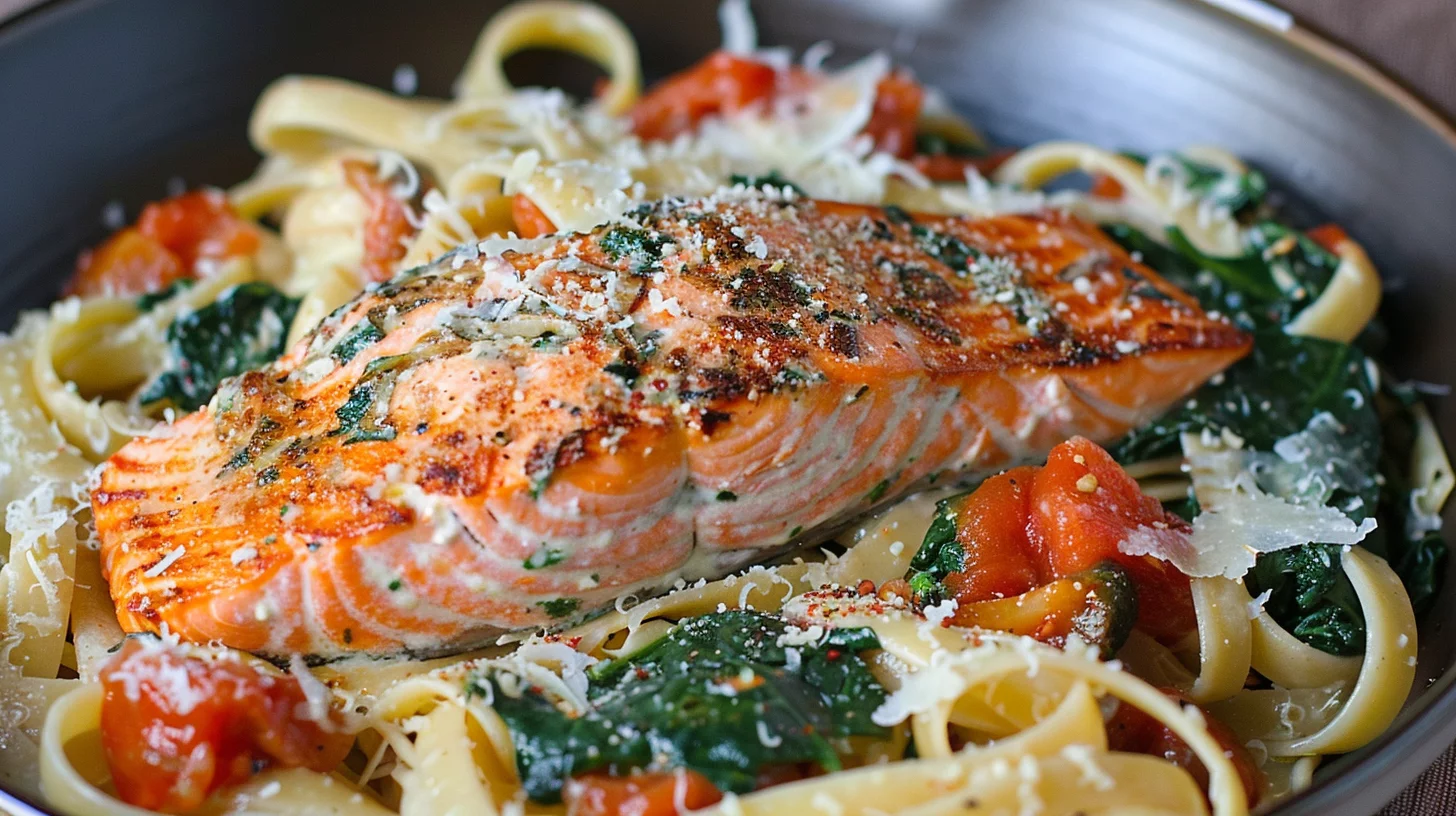
Welcome to the sun-dappled kitchen by the sea, where the air carries the scent of salty waves and the warmth of coastal breezes. My passion for seafood began on long summer days when I would gather fresh ingredients from the local market. The inspiration for Tuscan Salmon Pasta struck during one of these market strolls, as I imagined the vibrant flavors of spinach, cherry tomatoes, and Parmesan cheese dancing together in a creamy sauce.
Each bite of this Tuscan Salmon Pasta transports me back to those carefree, sunlit days. It’s a dish that combines the richness of salmon with the lightness of fresh vegetables, all wrapped in a luscious, coconut milk-based sauce. The aroma of garlic and herbs fills my kitchen, creating an inviting atmosphere that makes every meal feel like a special occasion.
As I prepare this Tuscan Salmon Pasta, I find joy in the simple act of cooking, knowing that the result will be both delicious and nourishing. The blend of flavors and textures reminds me of the coastal beauty that inspires my culinary adventures. I hope this recipe brings a touch of the sea’s magic to your table, making it a cherished part of your collection.
Print
Tuscan Salmon Pasta
- Prep Time: 15 minutes
- Cook Time: 20 minutes
- Total Time: 35 minutes
- Yield: 4 servings
- Category: Main Course
- Method: Frying
- Cuisine: Italian
Description
Indulge in a flavorful Tuscan Salmon Pasta recipe that combines succulent salmon with classic Tuscan flavors. Learn how to create this delicious dish today!
Ingredients
- – 1 tablespoon (15 ml) olive oil
- – 4 (4 oz/113 g each) beef fillets
- – ½ cup (120 ml) yellow onion, diced
- – 1 pint (473 ml) cherry tomatoes
- – 2 cups (60 g) spinach
- – 3 teaspoons (15 ml) minced garlic
- – 2 tablespoons (28 g) vegetable oil
- – 1 cup (240 ml) vegetable broth
- – 1 cup (240 ml) coconut milk (or heavy cream)
- – 1 teaspoon (5 ml) dried basil
- – 1 teaspoon (5 ml) dried parsley
- – 1/2 teaspoon (3 ml) fine sea salt
- – 1/2 teaspoon (3 ml) crushed red pepper flakes
- – 2 teaspoons (10 ml) fresh lemon juice
- – ⅔ cup (80 g) grated Parmesan cheese (plus extra for serving)
- – 8 oz (227 g) fettuccine noodles, cooked according to instructions on box
- – salt and pepper for seasoning
Instructions
- Dry the beef fillets with a paper towel and season both sides with salt and pepper.
- In a large frying pan, heat the olive oil over medium heat. Once the oil is hot, brown each side of the beef until it turns golden.
- Transfer the beef to a plate and cover it to retain warmth.
- In the same pan, add vegetable oil and cook the diced onion until it becomes see-through, which should take about 2-3 minutes.
- Stir in the minced garlic and let it cook for roughly a minute.
- Pour in the vegetable broth and add the cherry tomatoes to the pan. Allow the tomatoes to cook until they begin to wrinkle, which takes about 2-3 minutes.
- Lightly press the tomatoes with a spatula, then continue to cook, stirring occasionally, for another 2-3 minutes.
- Mix in the coconut milk, dried basil, dried parsley, sea salt, crushed red pepper flakes, and lemon juice, stirring thoroughly.
- Bring the mixture to a gentle simmer, then add the spinach, Parmesan cheese, and the cooked beef.
- Cook for an additional 2-3 minutes, or until the beef reaches an internal temperature of 145°F.
- Serve the beef and sauce over the cooked fettuccine noodles, sprinkle some extra Parmesan cheese on top, and enjoy your meal!
Notes
- For a creamier sauce, replace coconut milk with heavy cream.
- Enhance flavor and nutrition by adding extra vegetables like bell peppers or mushrooms.
- Adjust the amount of crushed red pepper flakes to customize the level of spiciness.
Tuscan Salmon Pasta: Embracing Coastal Flavors
Fundamentals
Creating Tuscan Salmon Pasta starts with understanding the foundation of its flavors. This dish captures the essence of coastal cuisine by using fresh spinach, cherry tomatoes, and grated Parmesan cheese. The combination of these ingredients with salmon creates a harmonious blend of tastes that is both comforting and refreshing.
The key to this recipe lies in the balance of flavors. The richness of the salmon pairs beautifully with the acidity of the tomatoes and the creaminess of the coconut milk. A hint of lemon juice adds brightness, while dried basil and parsley offer an aromatic depth that elevates the entire dish.
Preparation/setup
To prepare Tuscan Salmon Pasta, begin by gathering all your ingredients. Ensure the salmon is fresh and of high quality, as it is the star of the dish. Have your diced onions, minced garlic, and other ingredients ready to streamline the cooking process.
Cook the fettuccine noodles according to the package instructions. This step can be done simultaneously while preparing the sauce, saving time and ensuring everything comes together smoothly. Having everything prepped and within reach will make the cooking experience more enjoyable and efficient.
Tuscan Pasta Techniques and Tips
Technique
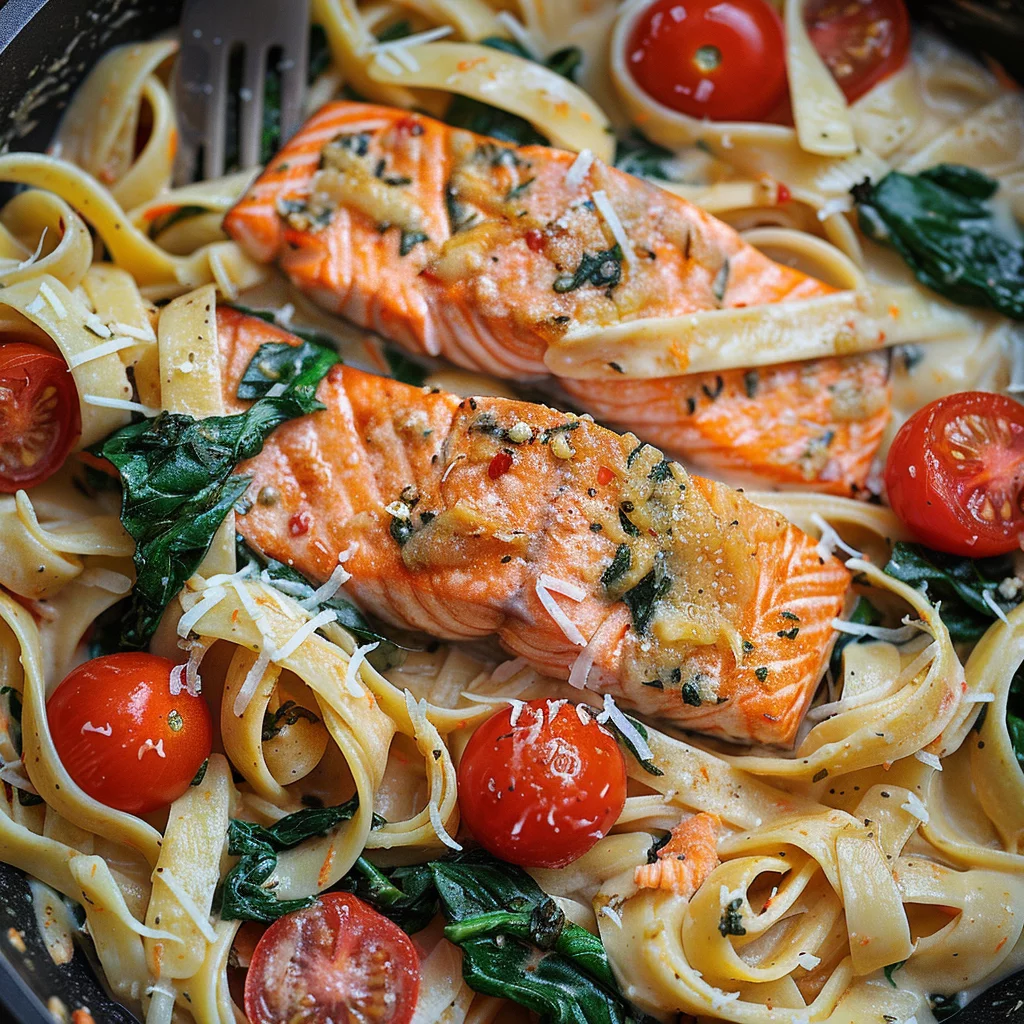
The technique for Tuscan Salmon Pasta revolves around building layers of flavor. Start by searing the salmon fillets in olive oil until they are golden brown, then set them aside to rest. This step locks in the juices and ensures the salmon remains tender.
In the same pan, sauté the onions and garlic in vegetable oil until they become fragrant. This forms the base of the sauce, infusing it with a savory depth. Adding the vegetable broth and cherry tomatoes allows the flavors to meld, creating a rich and hearty foundation.
Tuscan Salmon Pasta
Tips/tricks
For the best results, do not rush the cooking process. Allow the sauce to simmer gently, giving the flavors time to develop. Lightly pressing the cherry tomatoes releases their juices, enhancing the sauce’s complexity.
Ensure the spinach is added towards the end to retain its vibrant color and texture. Stirring in the Parmesan cheese gradually helps it melt evenly, creating a smooth and creamy consistency that coats the pasta beautifully.
Perfecting Your Tuscan Salmon Pasta
Perfecting results
Perfecting Tuscan Salmon Pasta involves attention to detail and a willingness to adjust the seasoning to taste. Taste the sauce as it cooks, adding more sea salt or crushed red pepper flakes if desired. These small adjustments can make a significant difference in the final dish.
The texture of the salmon is crucial. Aim for an internal temperature of 145°F to ensure it is fully cooked but still moist and flavorful. Letting the salmon rest after browning allows the juices to redistribute, enhancing its tenderness.
Troubleshooting/variations
If the sauce becomes too thick, add a splash of vegetable broth to reach your desired consistency. For a lighter version, consider using half coconut milk and half vegetable broth, reducing the overall richness while maintaining flavor.
For those who enjoy a bit of heat, increase the amount of crushed red pepper flakes. Alternatively, add a squeeze of fresh lemon juice before serving for an extra burst of freshness. These variations allow you to tailor the dish to your preferences and make it uniquely yours.
Serving and Storing Tuscan Salmon Pasta
Serving/presentation
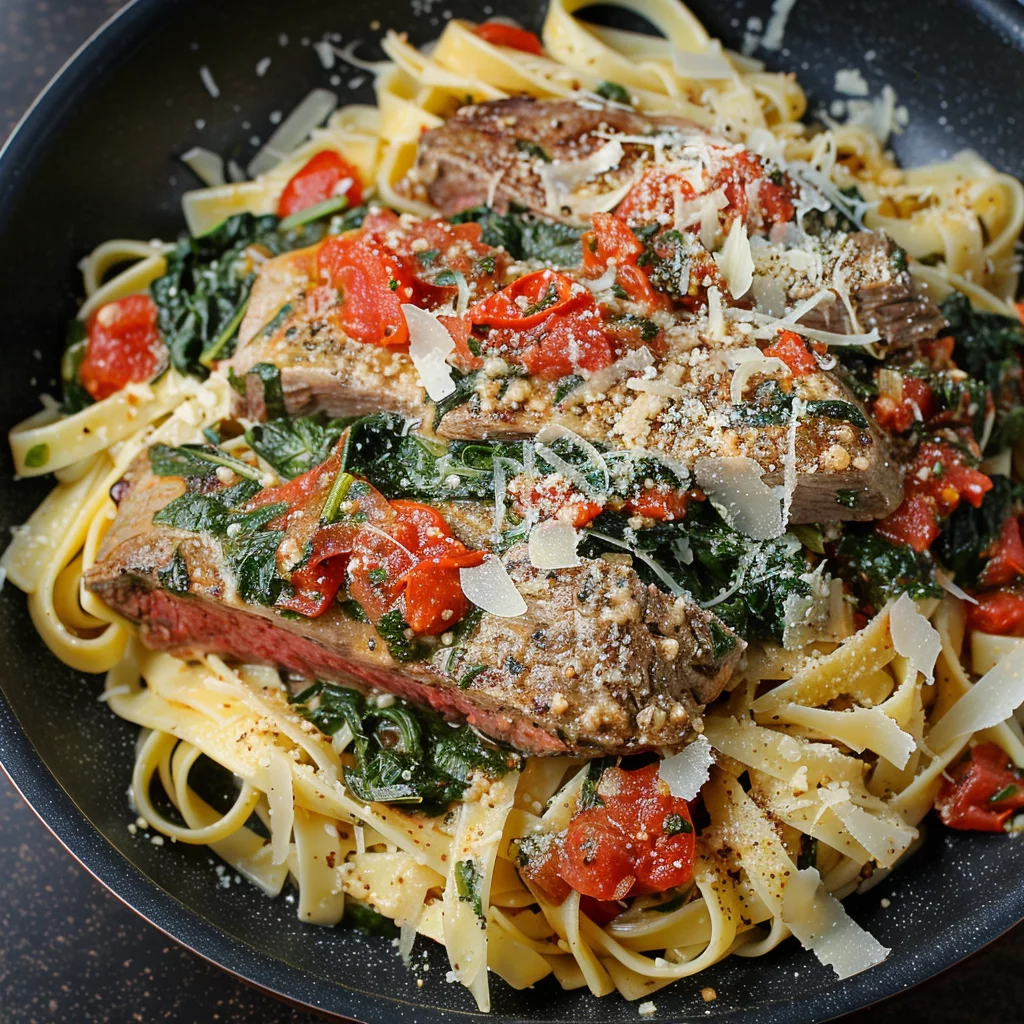
When serving Tuscan Salmon Pasta, presentation matters. Arrange the fettuccine noodles on a plate, then top with the salmon and sauce. A sprinkle of extra Parmesan cheese adds an elegant touch, while a few fresh basil leaves provide a pop of color.
Serve the dish with a side of crusty bread to soak up the delicious sauce. This meal is perfect for a cozy dinner at home or for impressing guests with its sophisticated flavors and beautiful presentation.
Tuscan Salmon Pasta
Pairings/storage
Pair this Tuscan Salmon Pasta with a crisp green salad dressed in a light vinaigrette to complement the richness of the dish. The fresh salad acts as a palate cleanser, balancing the creamy pasta and enhancing the overall dining experience.
Store any leftovers in an airtight container in the refrigerator for up to three days. Reheat gently on the stovetop, adding a splash of vegetable broth if needed to revive the sauce’s creamy texture. This dish is versatile and retains its deliciousness even when enjoyed the next day.
Conclusion
In crafting Tuscan Salmon Pasta, you embrace the flavors of the sea while enjoying the comforting appeal of a well-loved pasta dish. This recipe highlights the beauty of simple ingredients coming together to create something truly special.
The balance of rich salmon, fresh vegetables, and creamy sauce makes this dish a standout on any table. The versatility of Tuscan Salmon Pasta ensures that it becomes a cherished part of your culinary repertoire, perfect for both everyday meals and special occasions.
