

📑 Table of Contents ▶
- Trader Joe’s Lobster Bisque Pasta With Langostino
- Mastering Trader Joe’s Lobster Bisque Pasta With Langostino
- Fundamentals
- Preparation/setup
- Crafting a Delicious Lobster Bisque Pasta
- Technique
- Tips/tricks
- Perfecting Trader Joe’s Lobster Bisque Pasta With Langostino
- Perfecting results
- Troubleshooting/variations
- Serving and Enjoying Trader Joe’s Lobster Bisque Pasta
- Serving/presentation
- Pairings/storage
- Conclusion
- FAQs – Trader Joe’s Lobster Bisque Pasta With Langostino
I remember the first time I experimented with Trader Joe’s Lobster Bisque Pasta With Langostino. The idea of combining these rich, creamy flavors with the delicate taste of langostino tails seemed like a dream come true. The moment I took my first bite, I felt transported to a coastal paradise, where the salty breeze mingles with the aroma of seafood simmering in a pot. This dish not only celebrates my love for the sea but also showcases the simplicity and elegance that seafood can bring to the table.
As someone who grew up by the ocean, seafood has always been a staple in my kitchen. The idea of creating Trader Joe’s Lobster Bisque Pasta With Langostino on a cozy evening felt like the perfect way to embrace my roots. The bisque’s creamy texture paired with the subtle sweetness of langostino tails creates a dish that’s both comforting and luxurious. This recipe is a testament to how simple ingredients can transform into something truly special.
Cooking seafood doesn’t have to be intimidating. This recipe for Trader Joe’s Lobster Bisque Pasta With Langostino is a testament to that. Whether you’re a seasoned cook or a seafood novice, this dish delivers a delightful experience. The combination of flavors and textures makes it a go-to recipe for any occasion, whether you’re hosting a dinner party or enjoying a quiet meal at home.
Print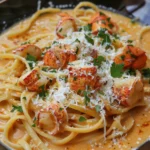
Trader Joe’s Lobster Bisque Pasta With Langostino
- Prep Time: 15 minutes
- Cook Time: 20 minutes
- Total Time: 35 minutes
- Yield: 4 servings
- Category: Main Course
- Method: Boiling, Sauteing
- Cuisine: Italian
Description
Indulge in a luxurious meal with our recipe for Trader Joe’s Lobster Bisque Pasta With Langostino. Learn how to create this savory seafood dish today!
Ingredients
- 1 pound (454 g) (450 grams) linguine or fettuccine pasta
- 2 tablespoons (30 ml) (30 milliliters) olive oil
- 1 small onion, finely chopped
- 2 cloves garlic, minced
- 1 cup (240 ml) (240 milliliters) seafood bisque
- 1/2 cup (120 ml) (120 milliliters) coconut cream
- 8 ounces (227 g) (225 grams) cooked langostino tails
- 1/4 cup (60 ml) (25 grams) grated plant-based cheese
- Salt, to taste
- Black pepper, to taste
- Fresh parsley, chopped, for garnish
Instructions
- Boil a large pot of salted water.
- Cook the linguine or fettuccine pasta according to package instructions until al dente.
- Drain the pasta, reserving 1 cup of pasta water. Set aside.
- Heat the olive oil in a large skillet over medium heat.
- Add the finely chopped onion to the skillet and sauté until translucent.
- Stir in the minced garlic and cook for about 1 minute, until fragrant.
- Pour in Trader Joe’s Lobster Bisque and stir to combine with the onion and garlic.
- Add the heavy cream, stirring until well combined.
- Bring the sauce to a gentle simmer, stirring occasionally.
- Add the cooked langostino tails to the sauce and heat through.
- Season the sauce with salt and black pepper to taste.
- Toss the cooked pasta with the sauce, adding reserved pasta water if needed for consistency.
- Sprinkle grated Parmesan cheese over the pasta and toss to combine.
- Serve the pasta hot, garnished with chopped fresh parsley.
Notes
- For a more intense flavor, opt for a seafood bisque containing chunks of seafood.
- Ensure to include a generous amount of coconut cream for a creamy and tropical element.
- Try out various plant-based cheeses to explore unique flavor combinations.
Mastering Trader Joe’s Lobster Bisque Pasta With Langostino
Fundamentals
The foundation of Trader Joe’s Lobster Bisque Pasta With Langostino lies in its carefully selected ingredients. Linguine or fettuccine serves as the perfect base, allowing the rich flavors of the seafood bisque and langostino to shine. The key to unlocking the dish’s full potential is in the balance of flavors; the delicate sweetness of langostino, the creamy texture of coconut cream, and the aromatic blend of garlic and onion.
Understanding the fundamentals of each ingredient is crucial. The seafood bisque brings a depth of flavor that complements the subtle notes of the langostino tails. Meanwhile, the plant-based cheese adds a touch of umami, enhancing the overall taste profile. This balance is what makes Trader Joe’s Lobster Bisque Pasta With Langostino a standout dish.
Preparation/setup
Start by gathering all your ingredients and preparing your cooking space. A large pot for boiling pasta and a skillet for the sauce are essential. It’s important to cook the pasta just until al dente, as it will continue to cook when mixed with the sauce. Don’t forget to reserve a cup of pasta water, which can be used later to adjust the sauce’s consistency.
Prepare the onion and garlic by finely chopping and mincing them, respectively. This ensures even cooking and a smooth sauce texture. Having all your ingredients ready and within reach will make the cooking process seamless and enjoyable.
Crafting a Delicious Lobster Bisque Pasta
Technique
The technique for making Trader Joe’s Lobster Bisque Pasta With Langostino starts with building flavor in the skillet. Heat olive oil over medium heat, then add the onion, sautéing until translucent. This step is crucial as it forms the aromatic base of the dish. Adding garlic next, and cooking it until fragrant, infuses the oil with its enticing aroma.
Incorporate the seafood bisque and coconut cream by pouring them into the skillet. Stir the mixture to combine, allowing the flavors to meld. Bringing the sauce to a gentle simmer ensures that the bisque and cream thicken slightly, creating a luscious coating for the pasta. Finally, add the cooked langostino tails, gently folding them into the sauce to heat through without breaking apart.

Trader Joe’s Lobster Bisque Pasta With Langostino
Tips/tricks
To elevate the flavors of Trader Joe’s Lobster Bisque Pasta With Langostino, consider these tips. Use fresh parsley as a garnish to add a burst of color and a hint of freshness. If you find the sauce too thick, gradually add the reserved pasta water until the desired consistency is reached. Season the sauce with salt and black pepper to taste, keeping in mind the natural saltiness of the seafood bisque.
When tossing the pasta with the sauce, ensure it’s evenly coated. This not only enhances the flavor but also creates a visually appealing dish. For an extra touch of indulgence, consider sprinkling additional plant-based cheese on top before serving.
Perfecting Trader Joe’s Lobster Bisque Pasta With Langostino
Perfecting results
Achieving perfection with Trader Joe’s Lobster Bisque Pasta With Langostino involves attention to detail. Ensure that the pasta is cooked al dente, as this texture pairs beautifully with the creamy sauce. The langostino tails should be tender and succulent, adding a luxurious element to the dish.
To make the dish shine, focus on achieving a harmonious balance of flavors. The sweetness of the langostino should complement the creaminess of the bisque and coconut cream. Adjust seasoning as needed, ensuring that each bite is as flavorful as the last. For inspiration on other seafood recipes, check out Lobster Pasta with Trader Joe’s Langostino and Bisque.
Troubleshooting/variations
If you encounter issues with the sauce consistency, remember that the reserved pasta water can be your best friend. Gradually incorporate it to reach the desired thickness. If you prefer a dairy-free option, ensure the plant-based cheese used aligns with your dietary preferences. For a creative twist, explore other variations such as Trader Joe’s Lobster Pasta Hack.
For those with specific dietary needs, consider using gluten-free pasta. The flavors of the dish remain intact while accommodating different preferences. If you’re curious about enhancing the dish further, take a look at other seafood recipes like Sous Vide Lobster Tails.
Serving and Enjoying Trader Joe’s Lobster Bisque Pasta
Serving/presentation
Presentation plays a vital role in enhancing the dining experience of Trader Joe’s Lobster Bisque Pasta With Langostino. Serve the pasta hot, straight from the skillet, ensuring it looks inviting and appetizing. Garnish generously with fresh parsley to add a pop of color and a touch of freshness.
For a visually appealing plate, consider using a shallow bowl. This allows the pasta to sit beautifully, showcasing the creamy sauce and langostino tails. A final sprinkle of plant-based cheese adds an extra layer of flavor, making the dish irresistible.

Trader Joe’s Lobster Bisque Pasta With Langostino
Pairings/storage
While Trader Joe’s Lobster Bisque Pasta With Langostino is a star on its own, pairing it with a simple side salad can make for a balanced meal. Opt for a salad with fresh greens and a light vinaigrette to complement the richness of the pasta. For more ideas, explore Lobster and Shrimp Bisque Recipe.
Leftovers can be stored in an airtight container in the refrigerator for up to three days. Reheat gently on the stove, adding a splash of coconut cream or pasta water to revive the sauce. For additional ideas on using seafood leftovers, check out Creamy Lobster and Crab Bisque.
Conclusion
Trader Joe’s Lobster Bisque Pasta With Langostino offers a delightful fusion of flavors and textures, making it an impressive yet approachable dish. The combination of seafood bisque, coconut cream, and langostino creates a rich and satisfying meal that can easily become a favorite in your recipe repertoire. With its simple preparation and elegant presentation, this dish showcases the beauty of seafood cooking.
Whether you’re hosting a dinner or enjoying a quiet evening at home, this pasta dish stands out for its flavor and ease of preparation. The versatility of the recipe allows for variations and adjustments, catering to different dietary needs and preferences. By following the tips and techniques outlined, you can create a dish that not only impresses but also delights the palate.
