
📑 Table of Contents ▶
- Japanese Seaweed Salad Essentials
- Fundamentals
- Preparation/Setup
- Directions
- Elevating Your Japanese Seaweed Salad Experience
- Technique
- Tips/Tricks
- Perfecting Japanese Seaweed Salad
- Perfecting Results
- Troubleshooting/Variations
- Serving and Storing your Japanese Seaweed Salad
- Serving/Presentation
- Pairings/Storage
Japanese Seaweed Salad (Wakame)
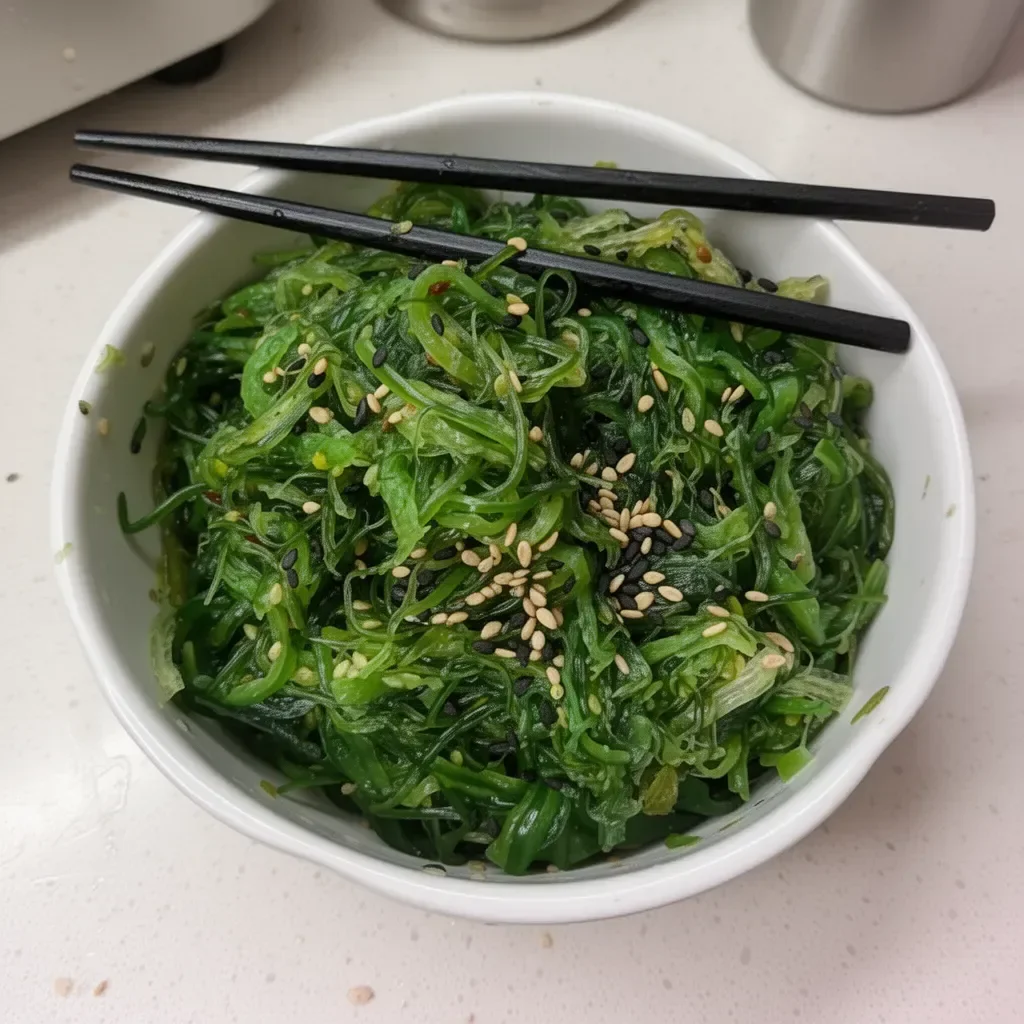
Dried wakame seaweed brings vibrant flavors and nutrition to any dish. My first encounter with Japanese seaweed salad happened during a family trip to a local sushi restaurant. The moment I took a bite, the combination of salty and umami flavors dazzled my palate. The unique texture of wakame and the fresh crunch of cucumber captured my attention that day and inspired me to recreate that delicious experience at home.
As I explored cooking with wakame, I discovered its incredible versatility. This seaweed not only adds depth to salads but also enhances soups and stir-fries. The journey of incorporating wakame into my regular cuisine brought me joy and a newfound appreciation for sea vegetables. Preparing this Japanese seaweed salad has now become a cherished ritual, one that invites friends and family to enjoy the dish with me.
Wakame flourishes in many global cuisines, and the flavors resonate across cultures. By preparing this Japanese seaweed salad, I give a nod to its roots while putting my twist on a recipe that is rich in flavor, texture, and freshness. Let’s dive into creating this delightful dish and discover all its nuances together.
Japanese Seaweed Salad Essentials
Fundamentals
Understanding the fundamentals of Japanese seaweed salad allows you to appreciate its simplicity and depth. Wakame, a type of edible seaweed, offers an umami flavor that perfectly balances the other ingredients. Each component of the salad plays a vital role in creating a harmonious dish, from the savory soy sauce to the tangy rice vinegar and mirin.
The dressing easily enhances the wakame and cucumber slices, taking this salad to another level. The vibrant colors and fresh ingredients draw attention and invite everyone to the table. Mastering the basics of assembling the salad sets the stage for incorporating different variations to keep things exciting.
Preparation/Setup
Preparation for a Japanese seaweed salad starts with rehydrating the dried wakame seaweed. This step ensures the seaweed refreshes and becomes tender for the salad. After soaking for about 10 minutes, the seaweed will dramatically expand, providing a delightful texture.
While the wakame soaks, whisking together the dressing constitutes the next essential step. Combining soy sauce, rice vinegar, mirin, sugar, grated ginger, and garlic creates a flavor-packed mixture that elevates the dish. As you mix these ingredients, the aroma alone transports you to a bustling sushi bar.
Ingredients
For this Japanese seaweed salad, gather the following ingredients:
- 50 grams (1.7 ounces) dried wakame seaweed
- 3 tablespoons reduced-sodium soy sauce
- 1 tablespoon rice vinegar
- 1 tablespoon mirin
- 1 teaspoon sugar
- 1 teaspoon grated ginger
- ½ teaspoon grated garlic
- 1 tablespoon toasted sesame oil
- ¼ teaspoon red pepper flakes
- 1 baby cucumber (skin on), very thinly sliced
- ½ teaspoon toasted white sesame seeds
- ½ teaspoon black sesame seeds
Directions
-
Place the dried wakame in a medium-sized bowl and cover it with water. Let it sit for 10 minutes until fully rehydrated.
-
While the seaweed soaks, prepare the dressing. In a different medium-sized bowl, whisk together soy sauce, rice vinegar, mirin, sugar, grated ginger, grated garlic, sesame oil, and red pepper flakes. Set the dressing aside.
-
After the wakame is rehydrated, strain it in a colander and rinse thoroughly. Make sure to remove as much moisture as possible; squeezing the seaweed if necessary helps.
-
Add the prepared wakame, thinly sliced cucumber, and sesame seeds to the bowl with the dressing. Toss well to coat all the ingredients evenly.
-
Cover the salad and chill in the refrigerator for 30 minutes to 1 hour.
-
When ready to serve, garnish with extra sesame seeds.
Elevating Your Japanese Seaweed Salad Experience
Technique
The technique behind making an outstanding Japanese seaweed salad lies in the balance of flavor and texture. The choice of ingredients contributes significantly to the final product, so using high-quality soy sauce and fresh vegetables is key. Proper soaking of the wakame helps to achieve the ideal consistency without ending up too soggy.
Pairing the cooled salad with a variety of additional ingredients such as shredded carrots or radish offers delightful variations to keep the dish fresh. Using a combination of sesame seeds provides a visual appeal and crunchy texture that contrasts beautifully with the tender seaweed and cucumber.
Tips/Tricks
A few helpful tips will ensure your Japanese seaweed salad shines. When selecting your dried wakame, look for varieties with vibrant green color. They typically indicate freshness and better flavor. For a more pronounced umami taste, let the salad sit for longer in the refrigerator, allowing the flavors to meld.
If you can’t find mirin, you can replace it with a combination of rice vinegar and a bit of sugar. This substitutes the sweet and tangy flavors that mirin typically contributes without compromising the integrity of the dish. Always taste and adjust the seasoning to your liking to create a salad that reflects your personal flavor profile.
Perfecting Japanese Seaweed Salad
Perfecting Results
Perfecting the results of your Japanese seaweed salad comes down to timing and ingredient quality. Ensuring the wakame is adequately rehydrated contributes to achieving the desired texture. No one enjoys a limp or overly chewy seaweed salad, so adhering to the soaking time plays a vital role.
Balancing flavors is essential in this recipe. When whisking together the dressing, consider starting with less sugar and gradually increasing it based on your taste. Cutting down on soy sauce or adding more rice vinegar can help you achieve a perfect marriage of salty, sweet, and tangy notes.
Troubleshooting/Variations
If your salad ends up too salty, add more cucumber or even a few extra teaspoons of sesame oil to counterbalance. If you prefer heat, feel free to double the amount of red pepper flakes. The versatility of this dish allows for numerous variations, such as adding slivered almonds for an extra crunch or a splash of citrus juice for brightness.
Experiment with fresh herbs like cilantro or basil to introduce new layers of flavor. Even consider tossing in some cooked protein, such as shrimp or tofu, to turn the salad into a more substantial meal.
Serving and Storing your Japanese Seaweed Salad
Serving/Presentation
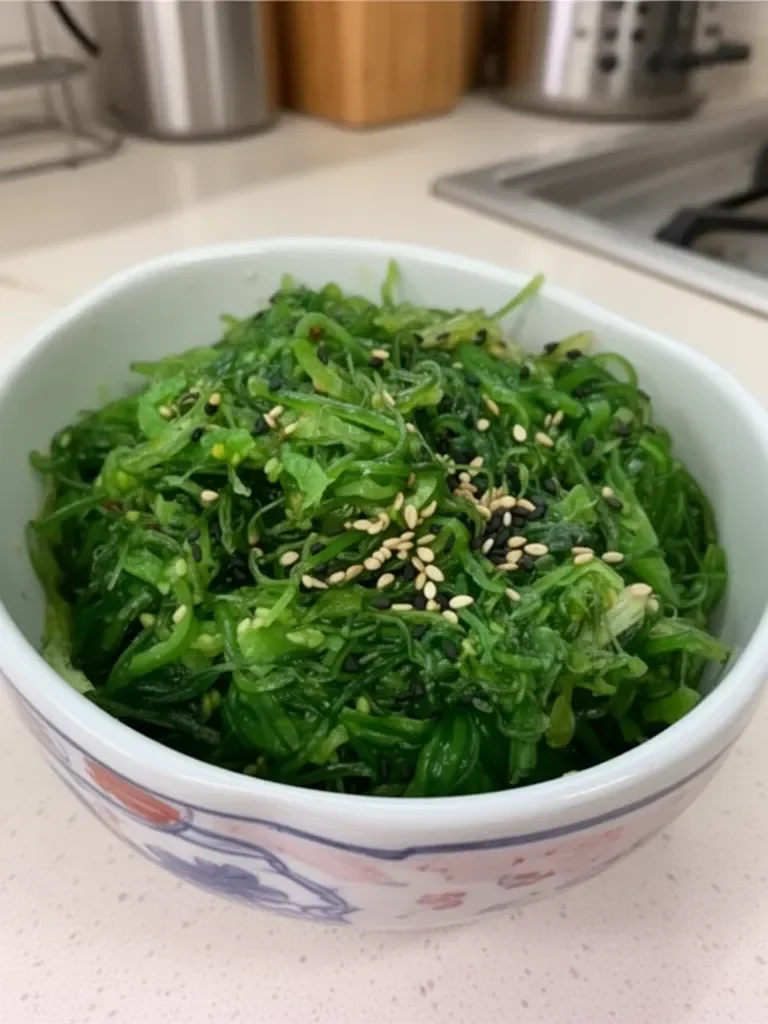
Presenting your Japanese seaweed salad doesn’t require extravagance. The vibrant colors of green wakame and cucumber look appetizing on a simple white plate. Garnish with additional sesame seeds or even a few slivers of finely chopped scallions for a pop of color.
You can serve this dish as a refreshing starter, side dish, or a light lunch. The salad pairs wonderfully with grilled dishes and complements a wide variety of flavors.
Pairings/Storage
Japanese seaweed salad pairs beautifully with grilled chicken or fish dishes. The lightness of the salad balances hearty meals, making it a favorite for summer cookouts or elaborate dinner events.
To store your leftover salad, keep it in an air-tight container in the refrigerator for up to two days. The texture may soften slightly, but the flavors will continue to develop, providing a delightful experience when enjoyed a day or two later.
It’s critical to avoid freezing the salad, as the texture of the wakame will degrade upon thawing, leading to an unappetizing result.
Print
Japanese Seaweed Salad (Wakame)
- Prep Time: 10 minutes
- Cook Time: 5 minutes
- Total Time: 45 minutes
- Yield: 4 servings
- Category: Salad
- Method: Chilling
- Cuisine: Japanese
- Diet: Vegan
Description
A vibrant and nutritious Japanese seaweed salad featuring rehydrated wakame, cucumber, and a flavorful dressing.
Ingredients
- 50 grams (1.7 ounces) dried wakame seaweed
- 3 tablespoons reduced-sodium soy sauce
- 1 tablespoon rice vinegar
- 1 tablespoon mirin
- 1 teaspoon sugar
- 1 teaspoon grated ginger
- ½ teaspoon grated garlic
- 1 tablespoon toasted sesame oil
- ¼ teaspoon red pepper flakes
- 1 baby cucumber (skin on), very thinly sliced
- ½ teaspoon toasted white sesame seeds
- ½ teaspoon black sesame seeds
Instructions
- Place the dried wakame in a medium-sized bowl and cover it with water. Let it sit for 10 minutes until fully rehydrated.
- While the seaweed soaks, prepare the dressing. In a different medium-sized bowl, whisk together soy sauce, rice vinegar, mirin, sugar, grated ginger, grated garlic, sesame oil, and red pepper flakes. Set the dressing aside.
- After the wakame is rehydrated, strain it in a colander and rinse thoroughly. Make sure to remove as much moisture as possible; squeezing the seaweed if necessary helps.
- Add the prepared wakame, thinly sliced cucumber, and sesame seeds to the bowl with the dressing. Toss well to coat all the ingredients evenly.
- Cover the salad and chill in the refrigerator for 30 minutes to 1 hour.
- When ready to serve, garnish with extra sesame seeds.
Notes
For a more pronounced umami taste, let the salad sit longer in the refrigerator to meld flavors.
