
📑 Table of Contents ▶
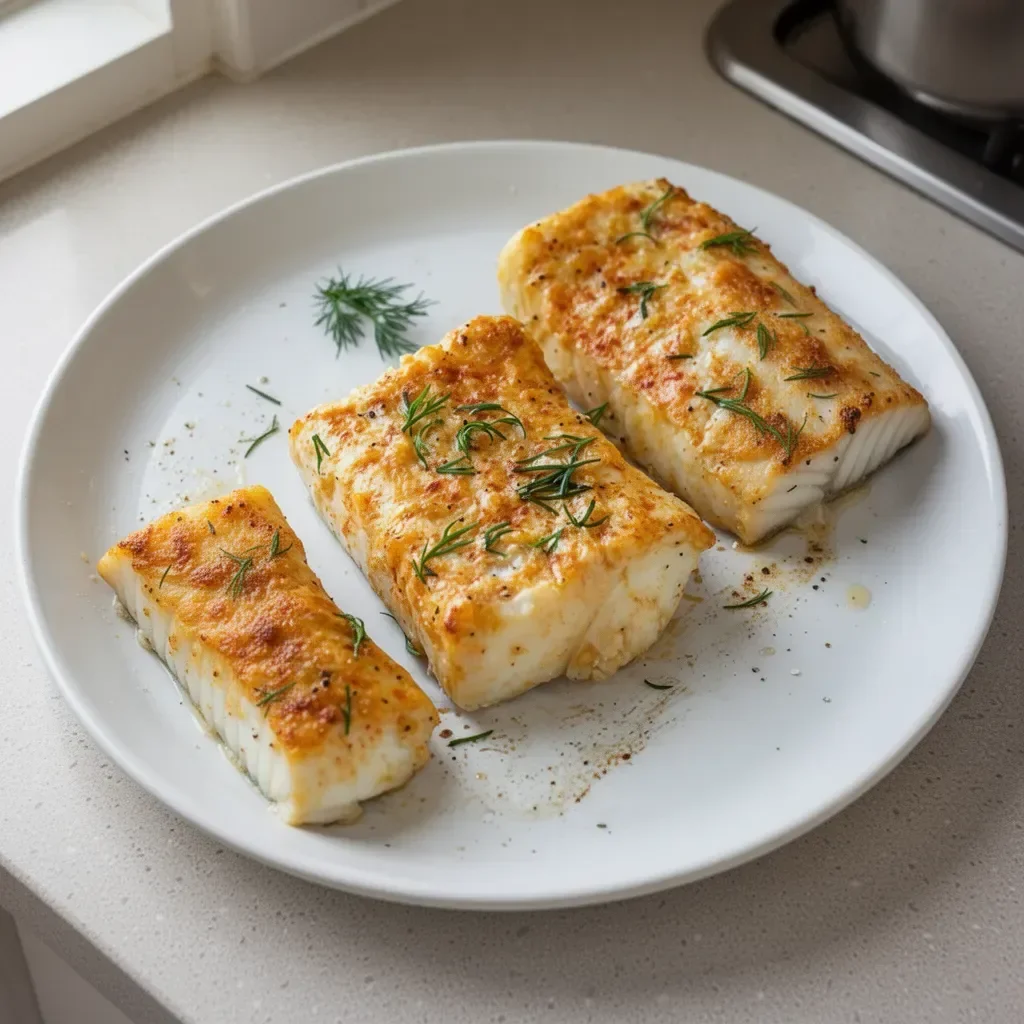
Baked Halibut
Seafood always played a significant role in my culinary adventures, especially when it comes to baked halibut. Memories of family gatherings around seafood feasts ignite a passion for cooking this delicate fish. The simplicity of preparing halibut aligns perfectly with busy weeknights, yet it still brings an elegant touch to any meal.
The ease of baking halibut allows for a hassle-free experience in the kitchen while achieving a delightful flavor that delights the senses. The tender, flaky texture of the fish complements vibrant flavors wonderfully. Every bite feels like a refreshing dip into culinary serenity, bringing a taste of the sea right to your table.
In my kitchen, baked halibut often turns into a go-to choice when I want satisfying comfort food. With minimal ingredients, the preparation transforms into a delightful ritual. Whether it’s a weekday meal or hosting friends, this dish always garners compliments and showcases the beauty of seafood. Let’s explore the elements behind creating an exceptional baked halibut that will captivate your taste buds.
Baked Halibut Fundamentals
Fundamentals
Understanding the fundamentals of baked halibut is essential for crafting a memorable dish. Halibut, a firm and mild fish, works well with various flavor combinations. Knowing how to handle it properly ensures a successful culinary experience.
As a rich source of omega-3 fatty acids, this seafood option delivers not just on taste but also on health benefits. Its low-fat and high-protein profile makes halibut a wonderful choice for wholesome meals. The secret lies in the balance of seasoning and baking time, which allows the fish to maintain its moisture while developing a flavorful crust.
Preparation/setup
Preparation for baked halibut begins with gathering all the necessary ingredients. This will make the cooking process seamless and enjoyable. Start by preheating the oven to 375°F (190°C). An adequately heated oven sets the stage for an evenly cooked fish.
Next, prepare the flavorful mixture combining lemon juice, minced garlic, Dijon mustard, chopped dill, salt, and pepper in a bowl. This vibrant blend will infuse the fish with refreshing citrus notes and savory garlic, creating a mouth-watering dish.
Ingredients
To whip up this delightful baked halibut, you’ll need the following ingredients:
- 4 halibut fillets
- 2 tablespoons lemon juice
- 2 cloves garlic, minced
- 1 tablespoon Dijon mustard
- 2 teaspoons fresh dill, chopped
- Salt and pepper to taste
- Olive oil for drizzling
These ingredients provide a base that enhances the natural flavors of halibut while ensuring the dish remains simple and approachable.
Directions
Now, let’s dive into the easy steps to create a delectable baked halibut:
- Preheat the oven to 375°F (190°C).
- In a bowl, mix together lemon juice, minced garlic, Dijon mustard, chopped dill, salt, and pepper.
- Place the halibut fillets in a baking dish and drizzle with olive oil.
- Spoon the mixture over the fillets, ensuring they are well coated.
- Bake for 15-20 minutes or until the fish flakes easily with a fork.
- Serve immediately with your choice of sides.
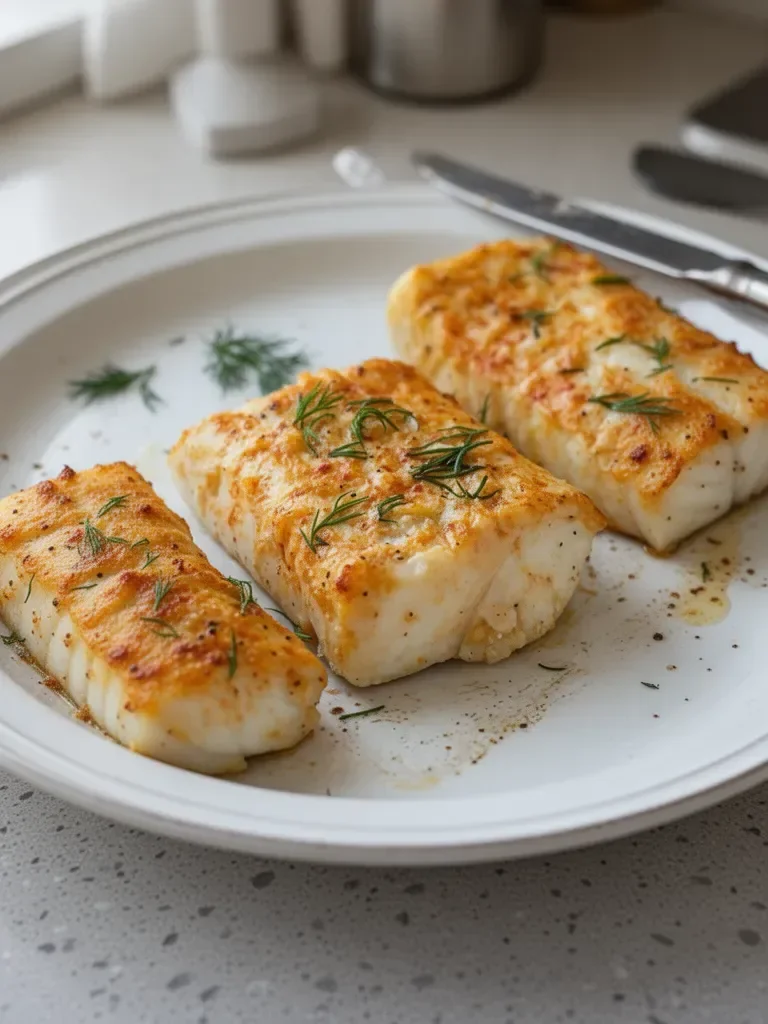
Baking Technique for Halibut
Technique
Baking halibut requires a precise technique to achieve desirable results. The goal is to cook the fish evenly, ensuring it remains moist and flavorful. Using a baking dish allows for even distribution of heat while retaining moisture.
An essential step is to coat the fish with a flavorful mixture thoroughly. This mixture not only adds taste but also forms a light crust during baking, enhancing the overall texture. Monitoring the cooking time is crucial; overcooking may lead to a dry dish. Checking for flakiness with a fork will indicate when it is perfectly cooked.
Tips/tricks
For perfecting your baked halibut, consider these tips and tricks. Always choose fresh halibut for the best flavor and texture. When asked, opt for fillets that appear moist and shine under the light.
Experimenting with the seasonings can elevate the dish further. Adding a hint of spice or a different herb, such as parsley or thyme, can create unique flavors. Remember, the key lies in simplicity; enhancing the fish’s natural flavor should remain a priority.
Perfecting Your Baked Halibut
Perfecting results
To perfect your baked halibut, focus on temperature control and timing during the cooking process. Fish generally cooks quickly, so ensure you don’t leave it in the oven for too long. Ideally, the fish should fall apart easily at the first prod with a fork, which can take anywhere from 15-20 minutes.
For an added touch, consider broiling the halibut for the last minute of cooking. This technique adds a nice golden color and crispy texture. The contrast between the flaky interior and crispy surface offers a delightful bite.
Troubleshooting/variations
If your halibut cooks unevenly, check the size of your fillets. Thicker pieces may require more time, while thinner ones will cook quicker. Adjust the cooking time accordingly to avoid overcooking.
In cases where the fish seems too dry, using a little extra olive oil or a splash of broth can help maintain moisture. Alternatively, adding a little unsalted butter before baking can elevate the richness without overpowering the dish.
Serving and Storing Baked Halibut
Serving/presentation
Plating your baked halibut beautifully enhances the dining experience. Pair the fish with vibrant side dishes, such as steamed vegetables, rice, or a fresh salad, to create a well-rounded meal. The simple presentation will highlight the halibut’s elegant texture and fresh flavors.
Garnishing with a sprinkle of fresh dill or lemon zest adds a pop of color and freshness to the plate. This elevates the visual appeal and underscores the dish’s zesty notes.
Pairings/storage
Baked halibut pairs wonderfully with a variety of sides, such as garlic mashed potatoes, roasted asparagus, or mixed greens. For a light meal, serve the fish with a fresh cucumber salad or a citrusy quinoa dish.
If you find leftovers, storing baked halibut is simple. Place the cooled fish in an airtight container and refrigerate for up to three days. Reheating in the oven briefly helps maintain texture and taste. Enjoying this dish multiple times throughout the week adds value to your cooking efforts.
Baked halibut captures the essence of coastal cuisine and offers a delightful experience in every bite. Relishing this dish brings memories of the sea to your table while fostering a joy for cooking seafood that remains unforgettable.
Print
Baked Halibut
- Prep Time: 10 minutes
- Cook Time: 20 minutes
- Total Time: 30 minutes
- Yield: 4 servings
- Category: Main Course
- Method: Baking
- Cuisine: Seafood
- Diet: Paleo
Description
A simple and elegant baked halibut recipe that offers delightful flavors while being healthy and satisfying.
Ingredients
- 4 halibut fillets
- 2 tablespoons lemon juice
- 2 cloves garlic, minced
- 1 tablespoon Dijon mustard
- 2 teaspoons fresh dill, chopped
- Salt and pepper to taste
- Olive oil for drizzling
Instructions
- Preheat the oven to 375°F (190°C).
- Mix together lemon juice, minced garlic, Dijon mustard, chopped dill, salt, and pepper in a bowl.
- Place the halibut fillets in a baking dish and drizzle with olive oil.
- Spoon the mixture over the fillets, ensuring they are well coated.
- Bake for 15-20 minutes or until the fish flakes easily with a fork.
- Serve immediately with your choice of sides.
Notes
For added flavor, consider broiling the halibut for the last minute of cooking. Store leftovers in an airtight container for up to three days.
