
📑 Table of Contents ▶
Pan-Seared Mahi Mahi with Pineapple Teriyaki Glaze
Cooking has a magical way of evoking memories and creating new ones around the dinner table. In my culinary journey, one dish that always stands out is mahi mahi—its delicate flavor paired with a rich, tangy glaze transports me to sunny beach days of grilling and family gatherings.
There’s something undeniably satisfying about preparing seafood that not only delights the palate but also brings everyone together. The versatility of mahi mahi makes it the perfect centerpiece for a home-cooked meal. With just a few ingredients, you can create a dish that displays sophistication without feeling overwhelming.
This pan-seared mahi mahi with pineapple teriyaki glaze showcases how easy it is to cook seafood at home, even if you’re just starting out. The sweet and savory glaze adds an exciting twist, bringing together flavors that dance on your taste buds. Whether you’re cooking for a special occasion or a cozy weeknight dinner, this dish is sure to impress.
Let’s dive into this culinary adventure and unleash the full potential of mahi mahi, making it a permanent fixture on your weekly menu.
Part 1 — Cooking Mahi Mahi
Fundamentals
Mahi mahi is a firm, white fish known for its slightly sweet flavor. Cooking it correctly ensures that you get a delicious meal without the fishy taste that some might dread. Start by selecting high-quality mahi mahi fillets; fresh or properly frozen fish work well.
Pat the fillets dry with a paper towel and season both sides with salt and pepper. This step enhances the fish’s natural flavors and creates a lovely crust when seared. Keeping the seasoning simple allows the glaze to shine, creating a perfect balance in the final dish.
Preparation/Setup
Before you begin cooking, set up your workspace. Gather all the ingredients you need: mahi mahi fillets, olive oil, salt, pepper, pineapple juice, low-sodium soy sauce, honey, rice vinegar, fresh ginger, garlic, cornstarch slurry, fresh pineapple chunks, toasted sesame seeds, and green onions.
Having everything within easy reach makes the cooking process smoother. Begin by heating olive oil in a non-stick skillet over medium-high heat. Once it’s hot, add the seasoned mahi mahi fillets. Searing them for 3-4 minutes on each side will create that beautiful golden crust, which seals in the moisture and flavor.
Ingredients
- 4 mahi mahi fillets (6 oz each)
- 2 tablespoons olive oil
- Salt and pepper to taste
- 1/2 cup pineapple juice
- 1/4 cup low-sodium soy sauce
- 2 tablespoons honey
- 1 tablespoon rice vinegar
- 1 tablespoon fresh ginger, grated
- 1 clove garlic, minced
- 1 teaspoon cornstarch mixed with 1 tablespoon water (slurry)
- 1/2 cup fresh pineapple chunks
- 1 tablespoon toasted sesame seeds
- 2 tablespoons green onions, sliced
Directions
- Pat mahi mahi fillets dry and season both sides with salt and pepper.
- Heat olive oil in a non-stick skillet over medium-high heat.
- Sear mahi mahi for 3-4 minutes on each side, or until golden and cooked through. Remove and set aside.
- In a small saucepan, combine pineapple juice, soy sauce, honey, rice vinegar, ginger, and garlic. Bring to a boil.
- Reduce heat and simmer for 3-4 minutes, then stir in the cornstarch slurry.
- Continue simmering until the glaze thickens to a syrupy consistency (about 2-3 minutes).
- Stir in fresh pineapple chunks and simmer for 1 additional minute.
- Spoon the glaze over the seared mahi mahi.
- Garnish with sesame seeds and green onions. Serve immediately.
Part 2 — Techniques for Perfect Mahi Mahi
Technique
Searing mahi mahi requires attention to detail. Use a non-stick skillet to prevent sticking and create that beautifully seared crust. Make sure the oil is hot before adding the fillets; this will lock in moisture and flavor.
Ensure you don’t overcrowd the pan; cooking in batches if necessary allows each fillet to cook evenly. Flip the fish only once to help maintain that crust, ensuring it cooks through without falling apart.
Tips/Tricks
Keep it simple with side dishes that complement the flavor of mahi mahi. Fresh veggies or a light salad can enhance your meal without overpowering it.
If you like a bit of crunch, serve a side of wild rice or quinoa. These options absorb the delicious glaze while adding texture, making your meal more satisfying. Having some fresh fruit on the side or a light salsa can add a refreshing element to this dish.
Part 3 — Perfecting Your Mahi Mahi
Perfecting Results
To achieve that perfect sear on your mahi mahi, ensure even thickness across the fillets. If needed, pound the thicker parts to match the thinner areas for uniform cooking.
Keep an eye on the glaze when reducing. It should be thick enough to coat the back of a spoon without running off quickly. Stir continually during this process to prevent burning.
Troubleshooting/Variations
If your glaze doesn’t thicken as expected, don’t worry—just give it a little more time to simmer. Ensure your heat is low enough to allow for gentle bubbling without boiling over.
If you’re craving something different, try adding a hint of spice with red pepper flakes or a splash of lime juice for extra zest. Substituting your favorite tropical fruit for the pineapple can also add a unique twist to the dish. Just ensure you balance the sweetness to avoid overpowering the fish.
Part 4 — Serving and Storing Mahi Mahi
Serving/Presentation
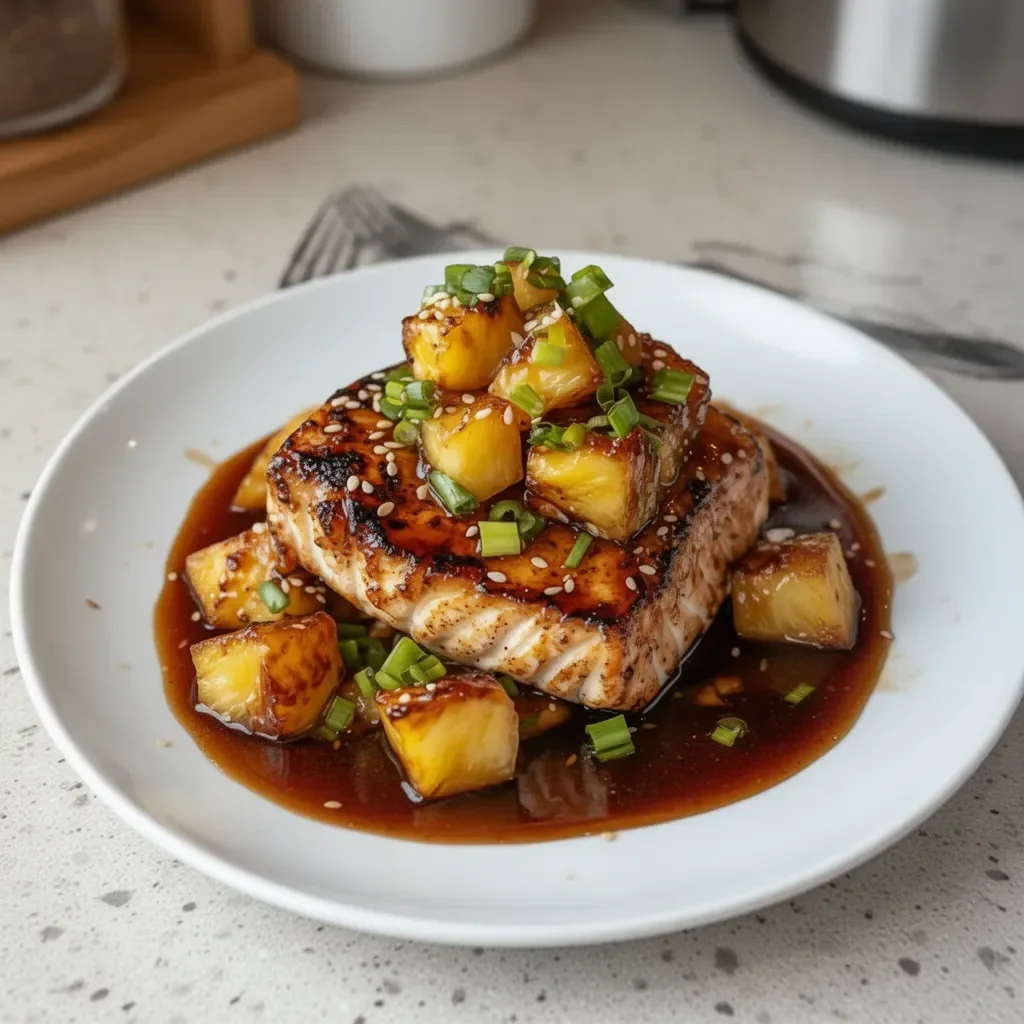
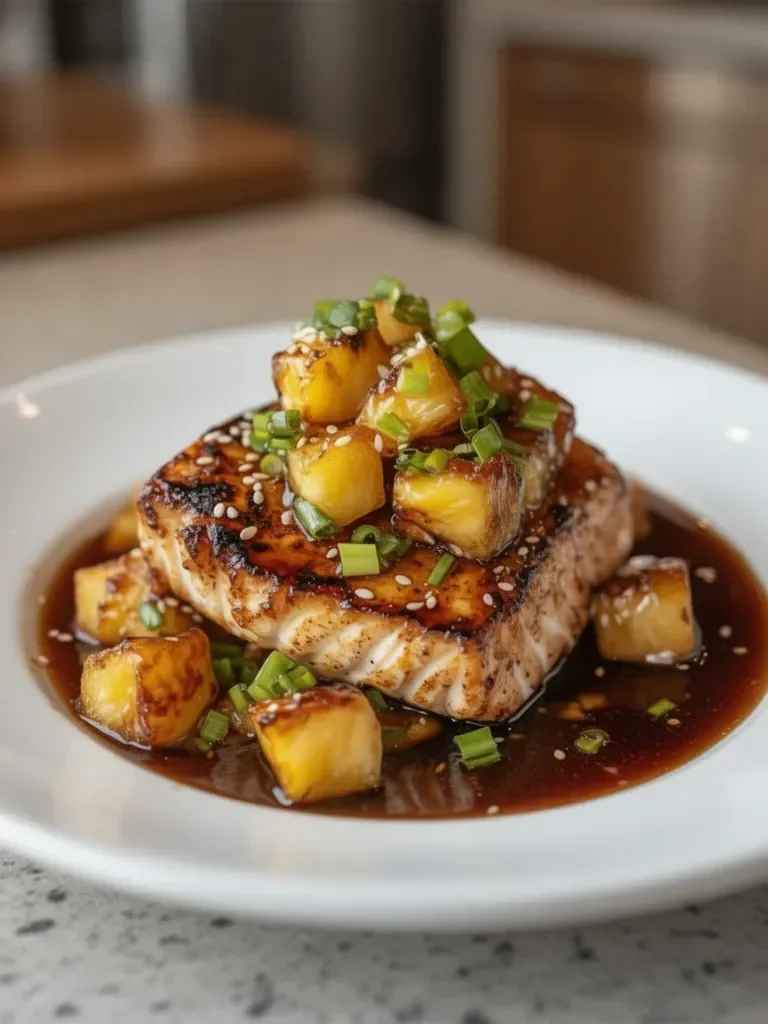
When ready to serve, arrange the mahi mahi fillets on individual plates or a large platter. Drizzle the thick pineapple teriyaki glaze generously over the fish, allowing the glaze to cascade over the sides.
Garnishing with toasted sesame seeds and sliced green onions adds a pop of color and visual appeal. Serve alongside your choice of vibrant vegetables, like steamed broccoli or a refreshing cucumber salad for a complete meal.
Pairings/Storage
Pair your mahi mahi creation with easy vegetable sides or grains like brown rice or quinoa. These options soak up the delicious glaze and complement the flavors perfectly. Remember to keep the meal light to highlight the fish’s flavor.
Store any leftovers in an airtight container in the refrigerator for up to two days. Reheat gently on the stovetop and be cautious not to overcook. A quick reheat ensures your mahi mahi stays moist and delicious for your next mealtime enjoyment.
By following these guidelines in preparing pan-seared mahi mahi with pineapple teriyaki glaze, you ensure a standout dish that enchants both family and friends alike.
Print
Pan-Seared Mahi Mahi with Pineapple Teriyaki Glaze
- Prep Time: 10 minutes
- Cook Time: 15 minutes
- Total Time: 25 minutes
- Yield: 4 servings
- Category: Main Course
- Method: Searing
- Cuisine: Seafood
- Diet: Pescatarian
Description
A delightful pan-seared mahi mahi dish glazed with a sweet and savory pineapple teriyaki sauce, perfect for family gatherings or special occasions.
Ingredients
- 4 mahi mahi fillets (6 oz each)
- 2 tablespoons olive oil
- Salt and pepper to taste
- 1/2 cup pineapple juice
- 1/4 cup low-sodium soy sauce
- 2 tablespoons honey
- 1 tablespoon rice vinegar
- 1 tablespoon fresh ginger, grated
- 1 clove garlic, minced
- 1 teaspoon cornstarch mixed with 1 tablespoon water (slurry)
- 1/2 cup fresh pineapple chunks
- 1 tablespoon toasted sesame seeds
- 2 tablespoons green onions, sliced
Instructions
- Pat mahi mahi fillets dry and season both sides with salt and pepper.
- Heat olive oil in a non-stick skillet over medium-high heat.
- Sear mahi mahi for 3-4 minutes on each side, or until golden and cooked through. Remove and set aside.
- In a small saucepan, combine pineapple juice, soy sauce, honey, rice vinegar, ginger, and garlic. Bring to a boil.
- Reduce heat and simmer for 3-4 minutes, then stir in the cornstarch slurry.
- Continue simmering until the glaze thickens to a syrupy consistency (about 2-3 minutes).
- Stir in fresh pineapple chunks and simmer for 1 additional minute.
- Spoon the glaze over the seared mahi mahi.
- Garnish with sesame seeds and green onions. Serve immediately.
Notes
For a unique twist, consider adding red pepper flakes or substituting different tropical fruits for the pineapple.
