
📑 Table of Contents ▶
- Slow Cooker Seafood Gumbo
- Mastering Slow Cooker Seafood Gumbo
- Fundamentals
- Preparation/setup
- Crafting the Perfect Gumbo
- Technique
- Tips/tricks
- Elevating Your Gumbo Game
- Perfecting results
- Troubleshooting/variations
- Serving and Storing Your Masterpiece
- Serving/presentation
- Pairings/storage
- Conclusion
- FAQs – Slow Cooker Seafood Gumbo
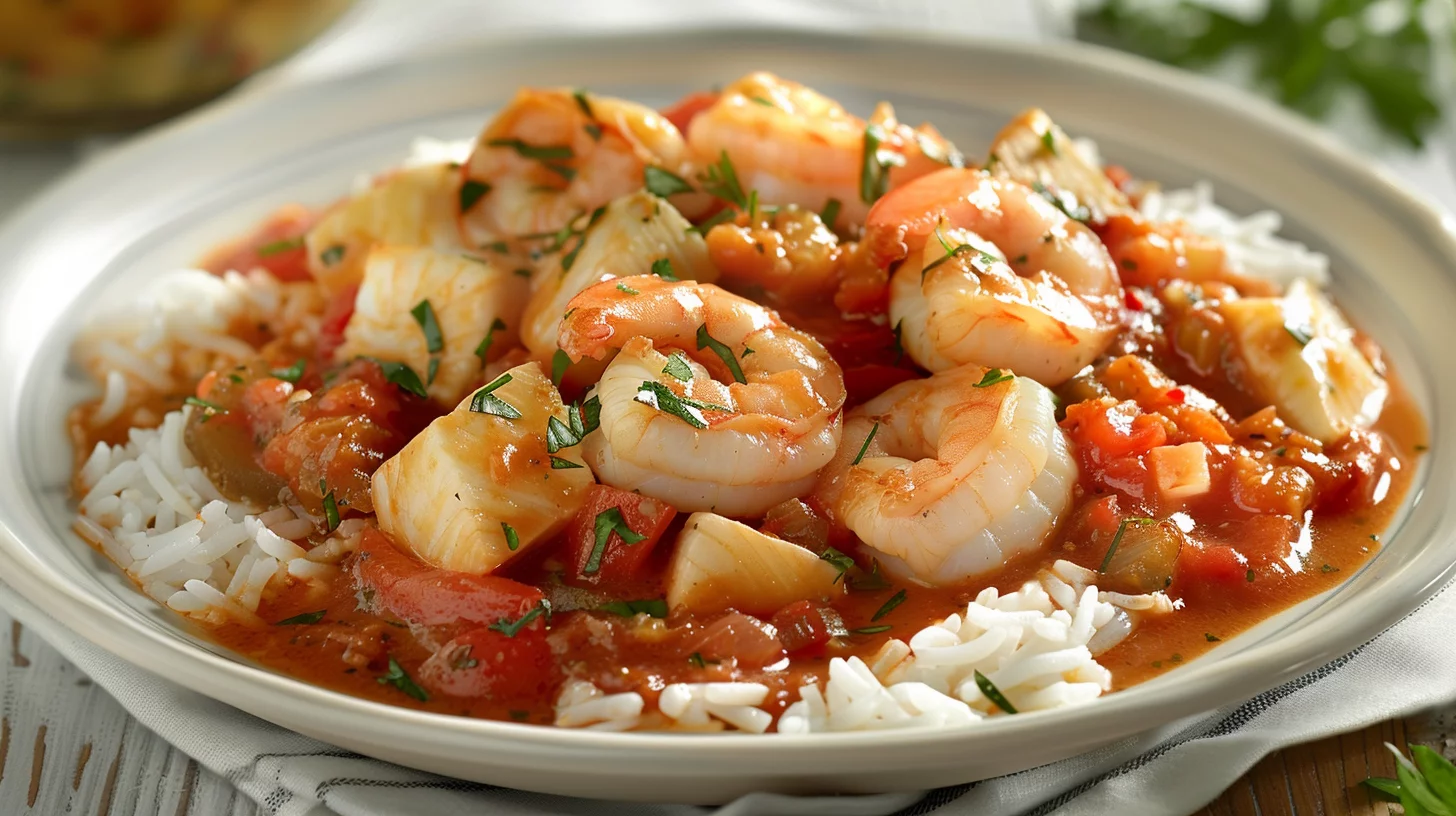
Welcome to my delightful little corner of the culinary world, where the scent of the sea mingles with the warmth of cooking. Growing up near the coast, the ocean’s bounty was a staple on our dinner table, and there was nothing quite like the aroma of a simmering pot of gumbo to gather the family together. This Slow Cooker Seafood Gumbo holds a special place in my heart, combining the rich traditions of Southern cooking with the ease of modern kitchen convenience.
My love for seafood started young. I remember watching with wide eyes as my grandmother prepared her famous seafood gumbo, a recipe passed down through generations. Each ingredient was chosen with care, and the result was always a pot full of love and flavor. Now, I bring that same tradition into my kitchen, adapting it to our busy lives with the help of a slow cooker.
This recipe is perfect for those who crave the deep, savory notes of a well-crafted gumbo but need the ease of a set-it-and-forget-it meal. With shrimp, imitation crab meat, and chunks of white fish, this dish is a seafood lover’s dream. The slow cooker allows the flavors to meld beautifully, making each bite a comforting taste of home.
Join me as we dive into the world of Slow Cooker Seafood Gumbo, exploring the fundamentals and techniques that make this dish a staple in any seafood enthusiast’s kitchen. Whether you’re a seasoned cook or just starting your culinary journey, this recipe is sure to become a favorite at your table.
Print
Slow Cooker Seafood Gumbo
- Prep Time: 20 minutes
- Cook Time: 6 hours
- Total Time: 6 hours 20 minutes
- Yield: 8 servings
- Category: Main Course
- Method: Slow Cooking
- Cuisine: Creole
Description
Discover how to make a delicious Slow Cooker Seafood Gumbo with this easy recipe. Learn the secrets to a flavorful and comforting seafood dish!
Ingredients
- 1 pound (454 g) (450 grams) shrimp, peeled and deveined
- 1 pound (454 g) (450 grams) imitation crab meat
- 1 pound (454 g) (450 grams) white fish fillets, cut into chunks
- 1/2 cup (120 ml) (120 milliliters) vegetable oil
- 1/2 cup (120 ml) (60 grams) all-purpose flour
- 1 large onion, chopped
- 1 green bell pepper, chopped
- 1 cup (240 ml) (150 grams) celery, chopped
- 4 cloves garlic, minced
- 1 can (14.5 ounces (411 g) or 411 grams) diced tomatoes
- 4 cups (960 ml) (960 milliliters) seafood or vegetable broth
- 2 teaspoons (10 ml) salt
- 1 teaspoon (5 ml) black pepper
- 1 teaspoon (5 ml) paprika
- 1/2 teaspoon (3 ml) cayenne pepper
- 1 teaspoon (5 ml) dried thyme
- 1 bay leaf
- 1/2 cup (120 ml) (120 milliliters) water
- 2 cups (480 ml) (270 grams) okra, sliced
- Cooked white rice for serving
Instructions
- Heat the vegetable oil in a pan over medium heat.
- Gradually whisk in the flour to make a roux, stirring constantly until it’s a dark brown color.
- Transfer the roux to the slow cooker.
- Add the chopped onion, green bell pepper, and celery to the slow cooker.
- Stir in the minced garlic and diced tomatoes.
- Pour in the seafood or vegetable broth.
- Season with salt, black pepper, paprika, cayenne pepper, and thyme.
- Add the bay leaf to the mixture.
- Cover and cook on low for 5 to 6 hours.
- After 4 hours, stir in the water and sliced okra.
- Add the shrimp, crab meat, and white fish chunks.
- Continue cooking on low for another 1 to 2 hours.
- Remove the bay leaf before serving.
- Serve the gumbo hot over cooked white rice.
Notes
- Devein the shrimp before adding for a cleaner tastenUse fresh white fish fillets for better flavornAdjust cayenne pepper to your spice preference
Mastering Slow Cooker Seafood Gumbo
Fundamentals
The heart of a great gumbo lies in its roux, a blend of flour and oil that sets the foundation for flavor. In this recipe, the roux plays a crucial role, providing a rich base that enhances the seafood’s natural sweetness. Begin by heating vegetable oil in a pan and gradually whisking in flour, stirring constantly until it reaches a deep brown hue. This rich, nutty essence is the key to a well-balanced gumbo.
Once the roux is ready, it’s time to build the gumbo’s flavor profile. Chopped onions, green bell pepper, and celery—often referred to as the “holy trinity” in Creole cooking—are added to infuse the dish with their aromatic qualities. Garlic and diced tomatoes follow, bringing depth and a hint of acidity to complement the seafood.
Preparation/setup
Preparing your ingredients beforehand makes the process seamless. Peel and devein the shrimp, ensuring they’re ready to go when it’s time to cook. Cut the imitation crab meat and white fish fillets into manageable pieces, allowing them to absorb the gumbo’s flavors. Having everything prepped and ready will make assembling your gumbo a breeze.
Your slow cooker is your ally in bringing this dish to life. Once the roux and vegetables are prepared, transfer them to the slow cooker. Add your seafood or vegetable broth, allowing the liquids to mingle with the savory base. This step is crucial for achieving that classic gumbo taste that takes you straight to the heart of the South.
Crafting the Perfect Gumbo
Technique
Cooking gumbo in a slow cooker requires patience and a gentle touch. Set your slow cooker to low, allowing the flavors to develop over several hours. This slow cooking process ensures that each ingredient has time to contribute to the overall taste profile, making every spoonful a delight.
Spices play a pivotal role in gumbo, adding warmth and complexity to the dish. Season your mixture with salt, black pepper, paprika, cayenne pepper, and thyme. These spices, combined with a bay leaf, offer a fragrant bouquet that elevates the gumbo to new heights. It’s this careful balance of seasoning that transforms a simple seafood stew into a memorable culinary experience.
Tips/tricks
For optimal results, introduce the shrimp, crab meat, and fish towards the end of the cooking process. This ensures the seafood remains tender and succulent, absorbing the gumbo’s rich flavors without overcooking. Stir in water and sliced okra about an hour before serving, allowing them to meld without losing their texture.
To prevent the gumbo from becoming too thick, monitor the liquid levels and adjust as needed. If the consistency becomes too dense, a splash of additional broth or water will bring it back to the desired texture. Remember, a good gumbo is all about harmony—each component should complement the others without overpowering.
Elevating Your Gumbo Game
Perfecting results
Achieving the perfect gumbo requires attention to detail and a willingness to experiment. Don’t be afraid to adjust seasoning levels to match your personal preferences. Some may prefer a spicier kick, while others might lean towards a milder profile. The beauty of gumbo lies in its versatility, allowing you to tailor it to your taste.
If you’re new to cooking seafood, consider exploring techniques like sous vide seafood to enhance your understanding of texture and flavor. This method can provide insights into achieving the perfect doneness, elevating your gumbo skills even further.
Troubleshooting/variations
Occasionally, gumbo might not turn out as expected. If the flavors seem flat, consider adding a splash of acidity, like a squeeze of lemon juice, to brighten the dish. For those who prefer a thicker consistency, a quick cornstarch slurry can help thicken the gumbo without altering its flavor.
Looking to experiment with variations? Try incorporating different seafood options or adding a twist with regional spices. Each variation brings new dimensions to the dish, allowing you to discover unique combinations that suit your palate. The possibilities are endless, making gumbo a delightful playground for culinary creativity.
Serving and Storing Your Masterpiece
Serving/presentation
Presentation plays a significant role in the dining experience. Serve your Slow Cooker Seafood Gumbo over a bed of fluffy white rice, allowing the grains to soak up the rich broth. Garnish with fresh herbs like parsley or green onions for a pop of color and added freshness.
For a touch of indulgence, consider pairing your gumbo with a side of slow cooker cracker barrel fried apples. The sweetness of the apples complements the savory spice of the gumbo, creating a balanced meal that satisfies with every bite.
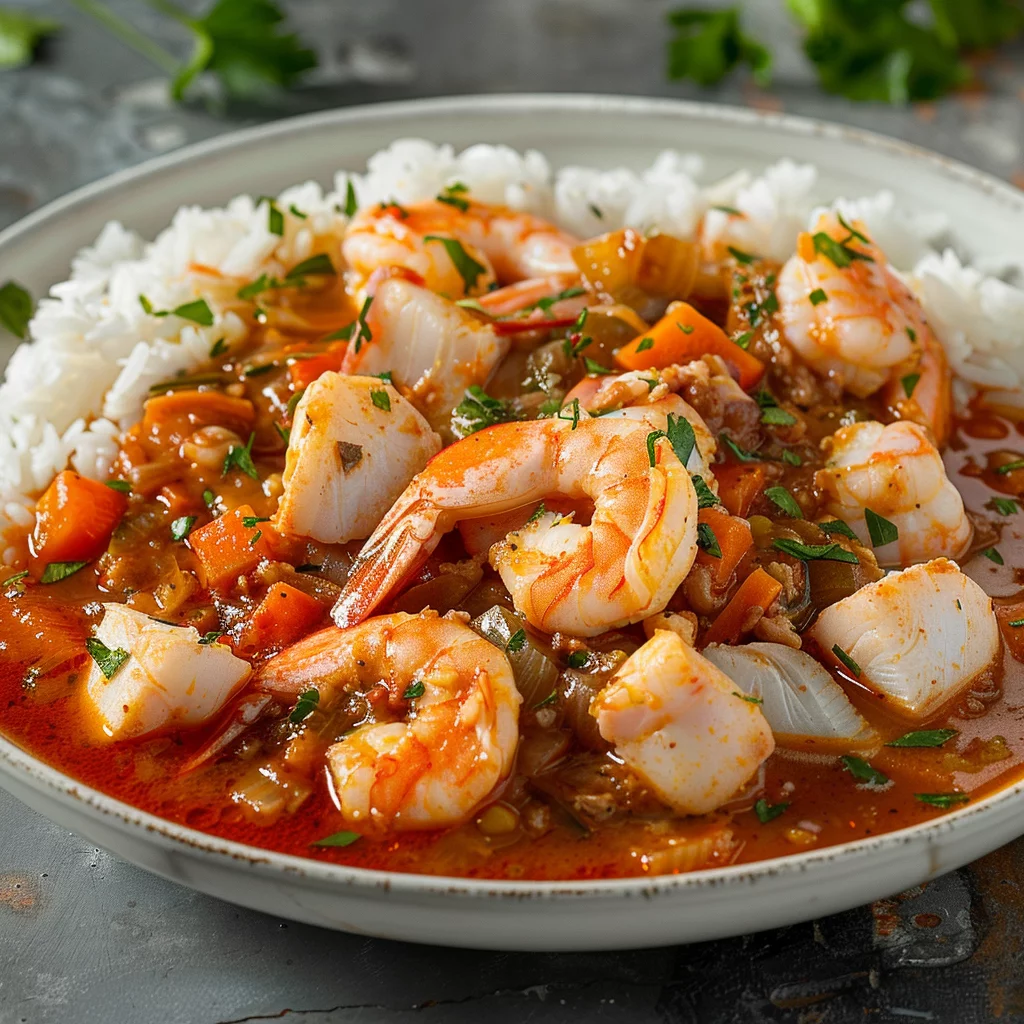
Slow Cooker Seafood Gumbo
Pairings/storage
When it comes to pairing, think of refreshing accompaniments like a crisp salad or crunchy breadsticks to contrast the gumbo’s hearty nature. These additions provide texture and balance, enhancing the overall dining experience without overshadowing the main dish.
Storing leftovers is simple and convenient. Allow the gumbo to cool before transferring it to airtight containers. It can be refrigerated for up to three days or frozen for longer storage. When reheating, add a bit of broth or water to maintain the desired consistency and prevent it from becoming too thick.
Conclusion
Slow Cooker Seafood Gumbo is more than just a meal; it’s a celebration of flavors and traditions that bring people together. The ease of preparation and depth of taste make it a standout dish for any occasion. By mastering the fundamentals and embracing creativity, you can craft a gumbo that’s uniquely yours.
This dish highlights the versatility of seafood, showcasing its ability to shine in diverse culinary contexts. Whether you’re cooking for family, friends, or simply indulging in a solo culinary adventure, this gumbo promises satisfaction and delight. Embrace the journey and savor each spoonful of this comforting classic.
