
📑 Table of Contents ▶
- Gochujang Jjigae
- Gochujang Jjigae: A Flavorful Adventure
- Fundamentals
- Preparation/Setup
- Mastering the Art of Gochujang Jjigae
- Technique
- Tips/Tricks
- Perfecting Your Gochujang Jjigae
- Perfecting Results
- Troubleshooting/Variations
- Serving and Enjoying Gochujang Jjigae
- Serving/Presentation
- Pairings/Storage
- Conclusion
- FAQs – Gochujang Jjigae
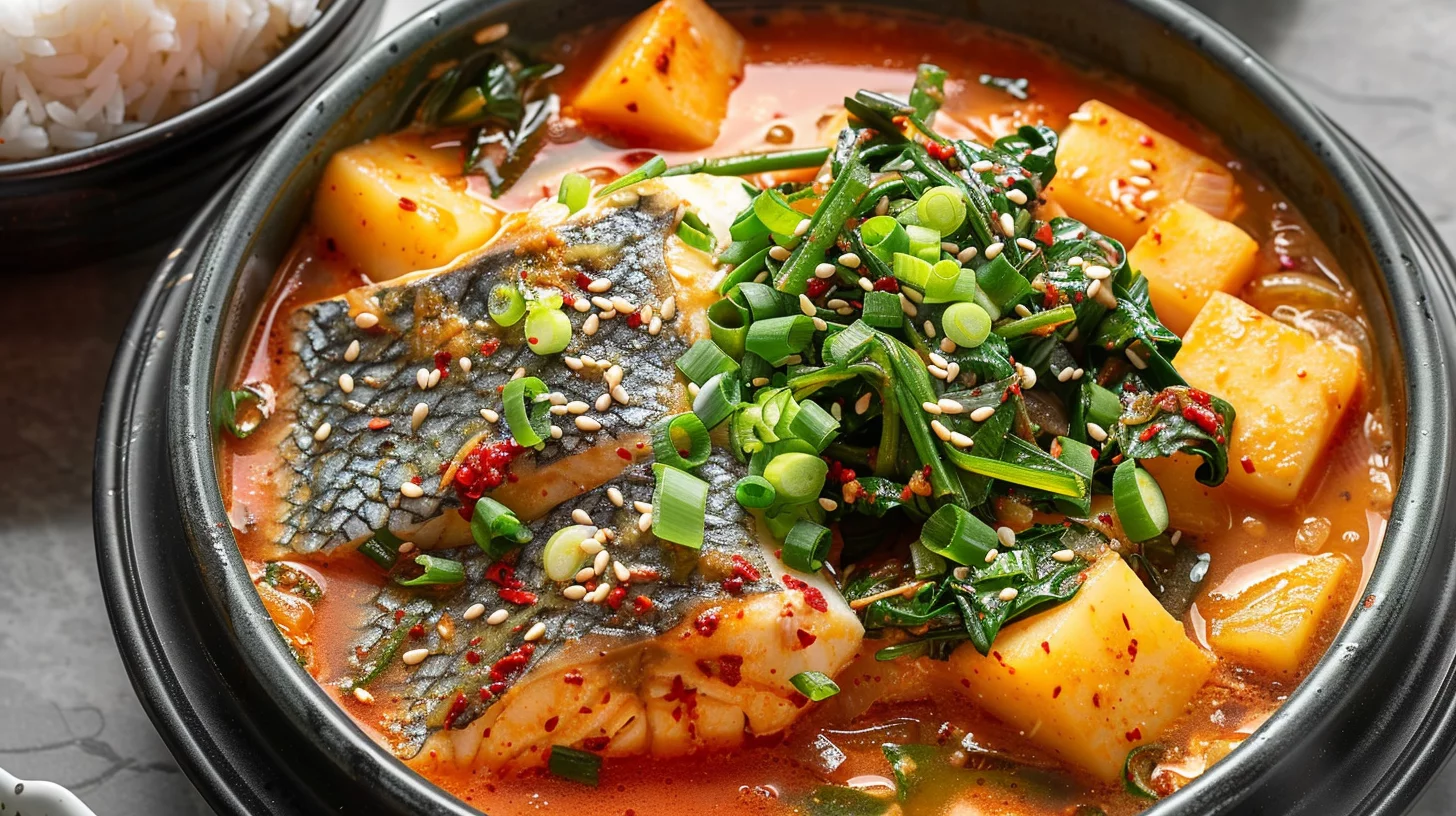
Growing up by the sea, the salty breeze and the endless horizon fueled my love for seafood and flavorful, heartwarming dishes. One of my favorite meals to whip up on a chilly day is Gochujang Jjigae, a Korean stew that’s as comforting as it is vibrant. With each spoonful, I’m transported back to bustling markets and cozy kitchens, where the air is rich with the aroma of simmering broths and sizzling spices.
Gochujang Jjigae holds a special place in my heart because it perfectly balances spicy, savory, and umami flavors. This dish is not only a testament to the magic of Korean cuisine but also a wonderful way to bring the warmth of the sea into your kitchen. As I prepare the ingredients, the anticipation builds, and I am reminded of the simple pleasures of cooking.
This dish is versatile and forgiving, making it a staple in my cooking repertoire. Whether I’m using a fresh catch from the local market or a trusty frozen fillet, the result is always a delightful, hearty stew. Gochujang Jjigae has become a beloved part of my culinary journey, and I’m excited to share this flavorful experience with you.
As we dive into the process, you’ll find that this dish is not only about the end result but also about the joy of creating something truly special. The rich, spicy broth and the tender chunks of fish and tofu create a meal that warms both the body and soul. Let’s explore the wonders of Gochujang Jjigae together!
Print
Gochujang Jjigae
- Prep Time: 15 minutes
- Cook Time: 15 minutes
- Total Time: 30 minutes
- Yield: 4 servings
- Category: Main Course
- Method: Boiling
- Cuisine: Korean
Description
Learn how to make delicious Gochujang Jjigae, a Korean spicy stew that’s perfect for warming up on chilly days. Our recipe is easy to follow!
Ingredients
- 1 1/2 cups (355 ml) beef broth or water
- 2 Tbsp (30 ml) Gochujang *Korean chili paste
- 1–2 tsp (5–10 ml) Doenjang *Korean soybean paste
- 1 package tofu *drained and cubed into 2-inch chunks
- 2 cloves garlic *minced
- 1 small potato *roughly chopped
- 1 filet (about 300 grams) basa filet *substitute with cod, halibut, tilapia, hake, or Korean kalchi (beltfish)
- 1 green onion *minced
- 1/4 tsp (1.25 ml) sugar *a pinch
- 1–2 splashes soy sauce
- 1 drizzle sesame oil
- 1 handful greens of choice (Korean ssuk, Chinese crown daisy, spinach, watercress, cilantro, or perilla leaves) *roughly chopped
Instructions
- Begin by preparing the liquid base. In a medium Korean clay pot (ttukbaegi) or a regular saucepan, combine the beef broth or water, gochujang, doenjang, minced garlic, and chopped potato. Cover the pot and heat until it starts boiling. Let it cook until the potato becomes tender, which should take around 5-8 minutes.
- Introduce the fish and tofu to the simmering mixture. Allow the stew to continue cooking until the fish turns opaque and easily flakes apart, approximately 5 minutes. Add a pinch of sugar and a couple of splashes of soy sauce, stirring to blend everything together.
- Finish off with garnishes. Sprinkle the minced green onion over the top and add your chosen chopped greens such as Korean ssuk, Chinese crown daisy, spinach, watercress, cilantro, or perilla leaves. Complete with a drizzle of sesame oil.
- Take off the heat and serve the dish immediately, accompanied by rice and kimchi. Enjoy your meal!
Notes
- For a more flavorful broth, substitute beef broth in place of water.
- Ensure tofu is well drained before cubing to avoid excess liquid in the stew.
- Customize the greens in the stew to your liking or what you have available.
Gochujang Jjigae: A Flavorful Adventure
Fundamentals
At the heart of Gochujang Jjigae lies the iconic Korean chili paste, gochujang, which infuses the stew with its signature spicy and savory profile. Alongside this, doenjang, a soybean paste, adds depth and complexity. These two ingredients form the backbone of the dish, creating a rich tapestry of flavors that is both bold and comforting.
The addition of beef broth or water provides a base that carries the spices beautifully, while the minced garlic and potato add a layer of aromatic and earthy notes. These elements come together to create a stew that is as nourishing as it is delicious, making it a perfect meal for any occasion.
Preparation/Setup
Begin by setting up your workspace with all the ingredients at hand. A medium Korean clay pot, known as ttukbaegi, is ideal for cooking Gochujang Jjigae, but a regular saucepan will work just fine. Combine the beef broth or water, gochujang, doenjang, minced garlic, and chopped potato in your pot. Cover and bring the mixture to a boil, allowing the ingredients to meld together.
Once the potatoes are tender, introduce the cubed tofu and your choice of fish, whether it’s a fresh basa filet or another white fish like cod or tilapia. This step is crucial as the tofu and fish absorb the flavorful broth, becoming infused with the spices and aromas. Allow the stew to simmer until the fish is cooked through and flaky.
Mastering the Art of Gochujang Jjigae
Technique
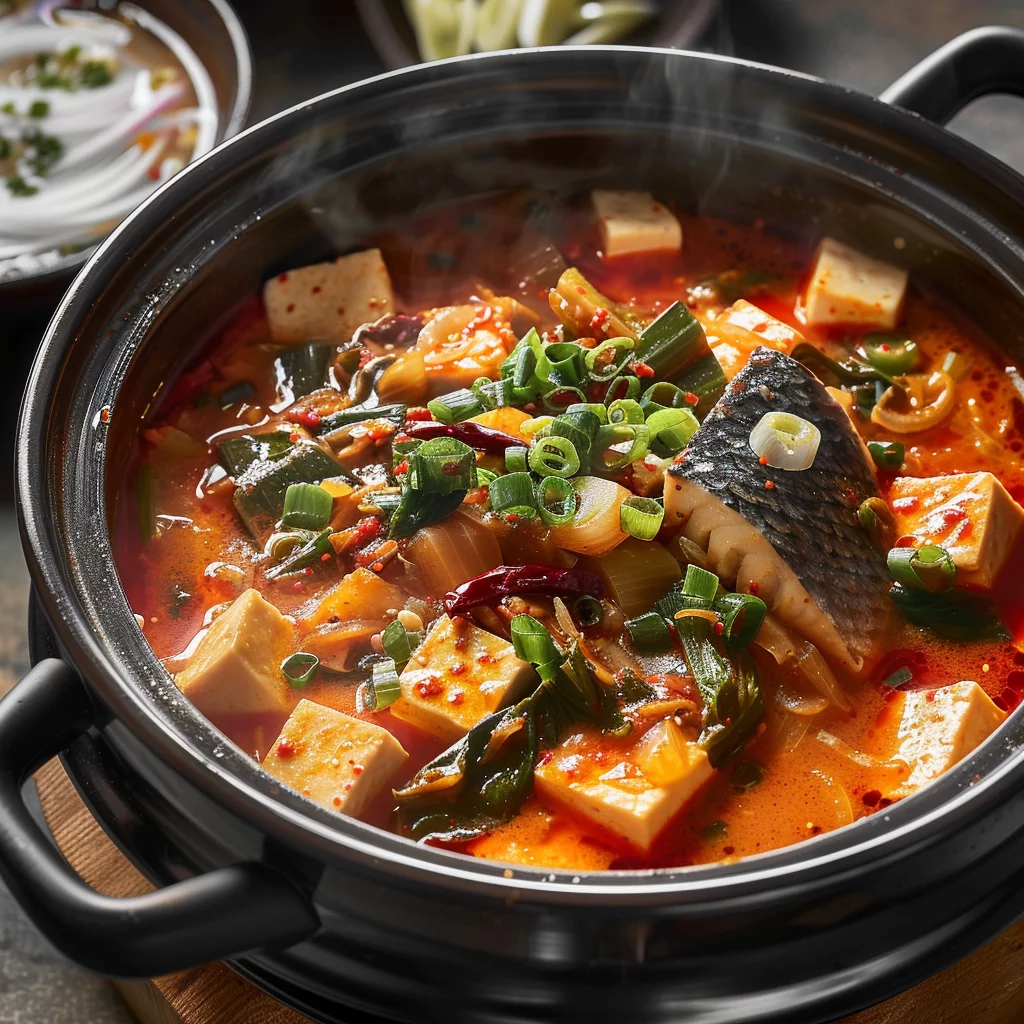
Achieving the perfect Gochujang Jjigae requires attention to detail and a good understanding of the cooking process. The key is to ensure that each ingredient is added at the right time to maximize flavor. The gochujang and doenjang should be dissolved completely in the broth, creating a seamless blend of spicy and savory notes.
Gochujang Jjigae
Cooking the stew at a gentle simmer allows the flavors to develop gradually, resulting in a well-rounded and harmonious dish. Stirring occasionally helps to distribute the ingredients evenly, ensuring that each bite is packed with the rich flavors of the broth.
Tips/Tricks
One of the secrets to a great Gochujang Jjigae is the quality of the ingredients. Fresh fish and tofu make a significant difference in the final taste and texture of the stew. Additionally, adjusting the level of spiciness can be done by varying the amount of gochujang, catering to your personal preference.
For a touch of sweetness, a pinch of sugar is added to balance the heat. A splash of soy sauce enhances the umami flavors, while a drizzle of sesame oil at the end adds a nutty aroma. Don’t forget to garnish with minced green onion and your choice of fresh greens for a burst of color and freshness.
Perfecting Your Gochujang Jjigae
Perfecting Results
To perfect your Gochujang Jjigae, focus on the balance of flavors. The interplay between spicy, savory, and umami should be harmonious, each element complementing the other. Taste the stew as it cooks, making adjustments as needed to suit your palate.
Experimenting with different types of fish can also yield interesting variations in flavor and texture. Whether you prefer the delicate taste of cod or the more robust flavor of halibut, each choice brings a unique character to the dish.
Troubleshooting/Variations
If you find the stew too spicy, adding more broth or water can help dilute the heat. Conversely, if the flavors seem too mild, an extra spoonful of gochujang will intensify the spice. For a vegetarian version, simply omit the fish and add more tofu or an assortment of mushrooms for added depth.
Experimenting with the greens is another way to add variety. Each type of green, from Korean ssuk to spinach, brings its own flavor profile and texture to the dish. Feel free to mix and match to find your perfect combination.
Serving and Enjoying Gochujang Jjigae
Serving/Presentation
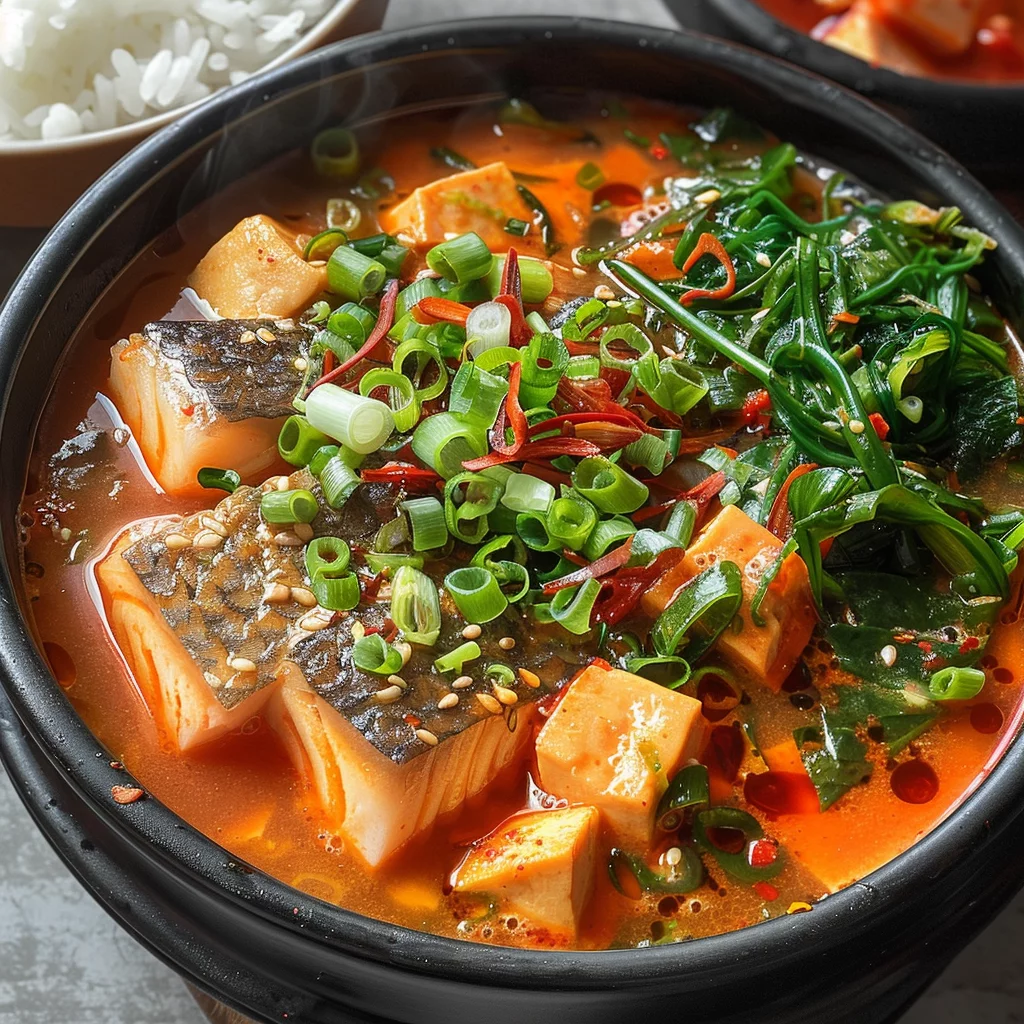
Presenting Gochujang Jjigae is as much about the visual appeal as it is about the aroma. Serve the stew hot, straight from the pot, with a generous sprinkle of green onions and fresh greens on top. The vibrant colors and enticing aroma make for a truly inviting dish.
Accompany the stew with a bowl of steamed rice to soak up the flavorful broth. A side of kimchi provides a tangy, fermented contrast to the rich and spicy stew, completing the meal with a traditional Korean touch.
Gochujang Jjigae
Pairings/Storage
While Gochujang Jjigae is a meal in itself, pairing it with simple sides like pickled vegetables or a light salad can enhance the dining experience. For leftovers, store the stew in an airtight container in the refrigerator, where it will keep well for a few days.
Reheating is simple, as the flavors continue to meld, making the stew even more delicious the next day. Just heat it gently on the stove, adding a splash of water if needed to refresh the broth.
Conclusion
Gochujang Jjigae is more than just a stew; it’s a journey into the heart of Korean flavors. Its ability to bring warmth and comfort with every spoonful makes it a dish worth mastering. By focusing on quality ingredients and balancing flavors, you can create a stew that is both satisfying and memorable.
The versatility of Gochujang Jjigae allows for endless variations, ensuring that it never grows old. Whether you’re cooking for yourself or sharing with family and friends, this dish is sure to impress. Dive into the world of Gochujang Jjigae and discover the joy of creating a meal that brings the sea’s warmth to your table.
