
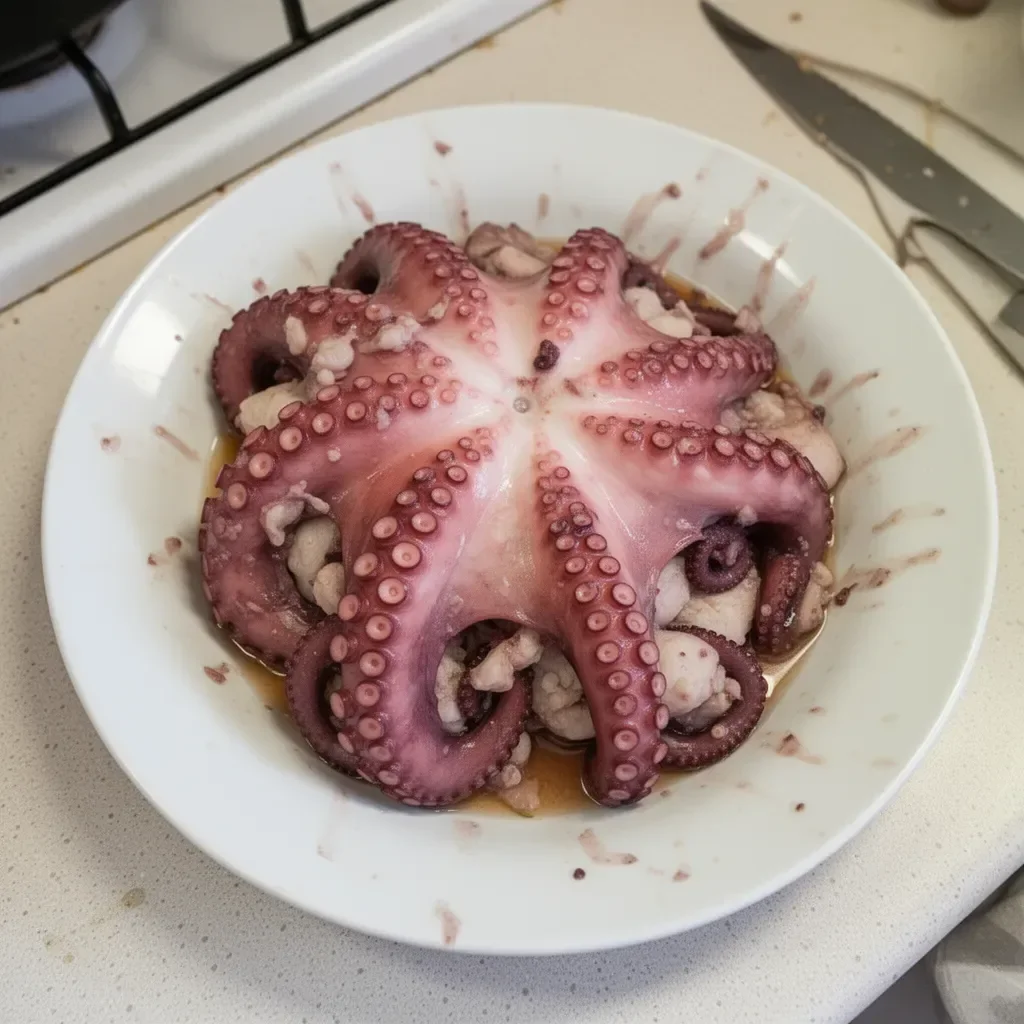
📑 Table of Contents ▶
How to Cook Octopus | Step by Step
Cooking octopus is an intriguing culinary adventure that promises unique flavors and textures. My first attempt at preparing this magnificent creature came during a summer getaway near the coast. I walked into a local seafood market, greeted by the vibrant colors of fresh catches. A stunning octopus caught my eye, and I couldn’t resist bringing it home.
As I excitedly gathered ingredients and prepared my cooking space, I remembered the tips I had learned from seasoned chefs about how to properly cook octopus. It’s a delicate process, one that transforms a tough exterior into a tender, flavorful dish. The anticipation of sharing this flavorful experience with friends and family heightened my enthusiasm.
Cooking octopus does require some attention to detail, but the payoff of a perfectly prepared dish makes it worthwhile. This guide will walk you through each step, from selecting your octopus to achieving the ideal texture. Let’s dive into the sea of flavors and learn how to cook octopus with confidence!
Understanding Octopus
Fundamentals
Cooking octopus elevates the dining experience with its unique texture and rich flavor. It has long been a staple in Mediterranean and Asian cuisines. Understanding its anatomy and preparation methods will transform your cooking skills. The key to achieving tender octopus lies in the way you cook it. High heat and quick cooking time can lead to overcooked, rubbery meat. Therefore, a gentle simmer often yields the best results.
While many myths surround octopus preparation, the truth is that it’s quite manageable with the right techniques. Familiarize yourself with the basic anatomy of this marine marvel. The head, tentacles, and beak are distinct features, but the tentacles are primarily what you will cook and serve.
Preparation/Setup
To begin your octopus journey, ensure that your workspace is clean and well-organized. Collect your ingredients: a whole octopus, water, a splash of white vinegar, onion, bay leaves, salt, and peppercorns. Having everything ready will allow you to focus solely on the cooking process.
Start by selecting a quality octopus, preferably fresh but frozen can also work. Thawing in the refrigerator for 24 hours can help the meat break down, making for tender octopus. Once ready, bring a large pot of water to a boil, adding the vinegar, onion, salt, bay leaves, and peppercorns. This flavorful broth serves as the foundation for cooking.
Ingredients
- 1 whole octopus (sin tinta)
- 1 liter water
- A splash of white vinegar
- 1/4 onion, quartered
- 2 bay leaves
- 1 tablespoon coarse salt
- 4 black peppercorns
Directions
- Heat the water with a splash of white vinegar in a large pot.
- Add the onion, salt, peppercorns, and bay leaves.
- Secure the entire octopus by the head using tongs.
- Quickly dip the octopus into the boiling water and remove it. Repeat this dipping process four times.
- Allow the octopus to cook in the pot for 15 to 20 minutes.
- Test tenderness by piercing the octopus with a fork. It should be tender and cooked through.
- Prepare an ice bath to immediately cool the octopus, halting the cooking process.
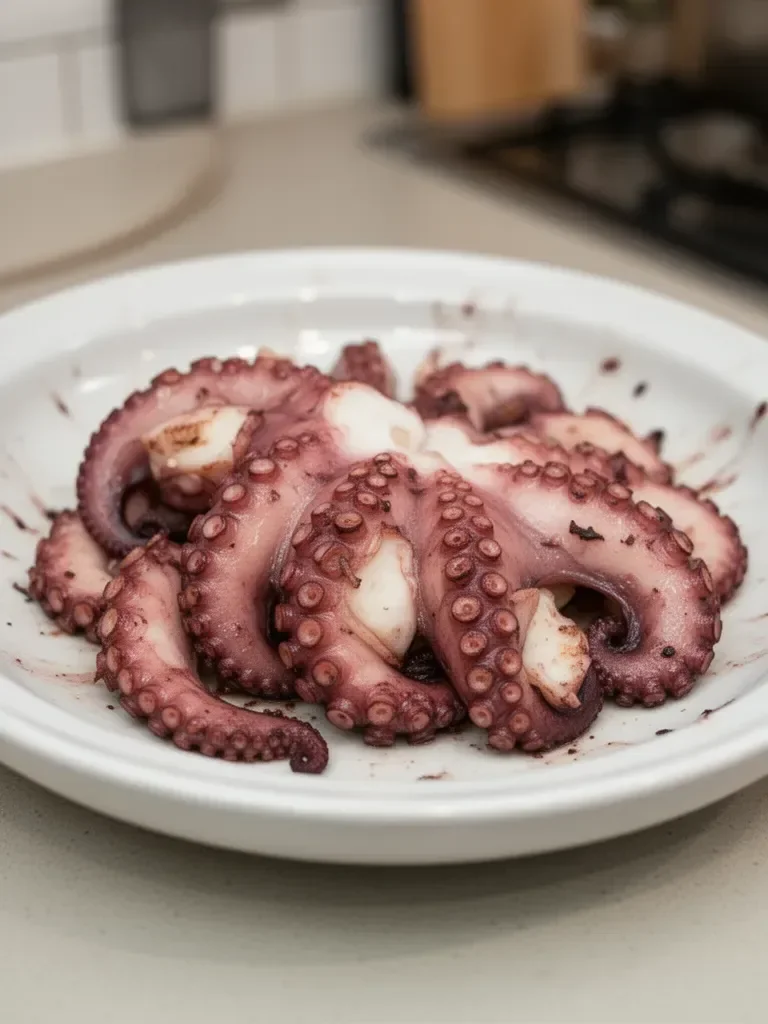
- Once cooled, slice and prepare to your liking.
Perfecting Techniques
Technique
Cooking octopus is a blend of science and art, ensuring the perfect balance of time and temperature. The brief dips into boiling water create a shock that helps maintain texture while beginning the cooking process. The final simmer is where the magic occurs, tenderizing the meat and infusing it with flavor.
As the octopus cooks, keep an eye on the clock. Overcooked octopus can toughen rapidly, leading to a less enjoyable texture. When you achieve that melt-in-your-mouth quality, take pride in your culinary achievement.
Tips/Tricks
Always opt for fresh or high-quality frozen octopus. The preparation method matters greatly, so trying different techniques might reveal your favorite way to cook it. For a more flavorful result, marinate the octopus in olive oil, garlic, and herbs for an hour before grilling or chilling.
Cooking times may vary slightly based on the size and thickness of the octopus. Using a meat thermometer can help, targeting around 165°F for ideal doneness.
Troubleshooting and Variations
Perfecting Results
Achieving the perfect cooked octopus can become an art form after some practice. Should you find your octopus tough, it may have cooked too quickly. You can creatively incorporate tougher octopus into stews or seafood risottos, where flavors meld beautifully over time.
Don’t shy away from adding spices and aromatics to your cooking water. Experimenting with additional ingredients, such as garlic or lemon, can uniquely elevate your dish. Steaming is an alternative cooking method that keeps the octopus moist and infuses flavors.
Troubleshooting/Variations
If you discover your octopus is still tough after cooking, continue simmering on low heat. If time is of the essence, consider pressure cooking to achieve the perfect texture quickly. You can also opt to grill or sauté after boiling for a delicious charred finish. Each variation allows for creative expression while still showcasing the unique qualities of the octopus.
Serving and Storing
Serving/Presentation
How you present your beautifully cooked octopus can enhance the dining experience immensely. Slice the tentacles into manageable pieces and arrange them on a platter. Drizzle with olive oil, sprinkle with sea salt, and fresh herbs for a stunning finish.
Pair with fresh vegetables or a zesty salad for a balanced plate. Consider placing the octopus atop a bed of lentils or alongside roasted potatoes for a satisfying culinary experience.
Pairings/Storage
Octopus pairs well with vibrant flavors. Consider serving with sides like a fresh salad, citrusy salsa, or a spicy aioli. Fruit slaws can also complement the dish beautifully.
Store any leftover octopus in an airtight container in the refrigerator for up to three days. Reheat gently to avoid toughening the meat.
Conclusion
Cooking octopus encompasses both technique and adventure, transforming you into a seafood aficionado. Through careful preparation and attention to detail, even novice cooks can master the skill. Embrace the journey, experiment with flavors, and enjoy the magnificence of octopus at your table.
Print
How to Cook Octopus
- Prep Time: 20 minutes
- Cook Time: 20 minutes
- Total Time: 40 minutes
- Yield: 2 servings
- Category: Main Course
- Method: Boiling
- Cuisine: Mediterranean
- Diet: Seafood
Description
A step-by-step guide to cooking octopus, transforming it into a tender, flavorful dish.
Ingredients
- 1 whole octopus (sin tinta)
- 1 liter water
- A splash of white vinegar
- 1/4 onion, quartered
- 2 bay leaves
- 1 tablespoon coarse salt
- 4 black peppercorns
Instructions
- Heat the water with a splash of white vinegar in a large pot.
- Add the onion, salt, peppercorns, and bay leaves.
- Secure the entire octopus by the head using tongs.
- Quickly dip the octopus into the boiling water and remove it. Repeat this dipping process four times.
- Allow the octopus to cook in the pot for 15 to 20 minutes.
- Test tenderness by piercing the octopus with a fork. It should be tender and cooked through.
- Prepare an ice bath to immediately cool the octopus, halting the cooking process.
- Once cooled, slice and prepare to your liking.
Notes
For enhanced flavor, consider marinating the octopus in olive oil, garlic, and herbs before cooking.
