
📑 Table of Contents ▶
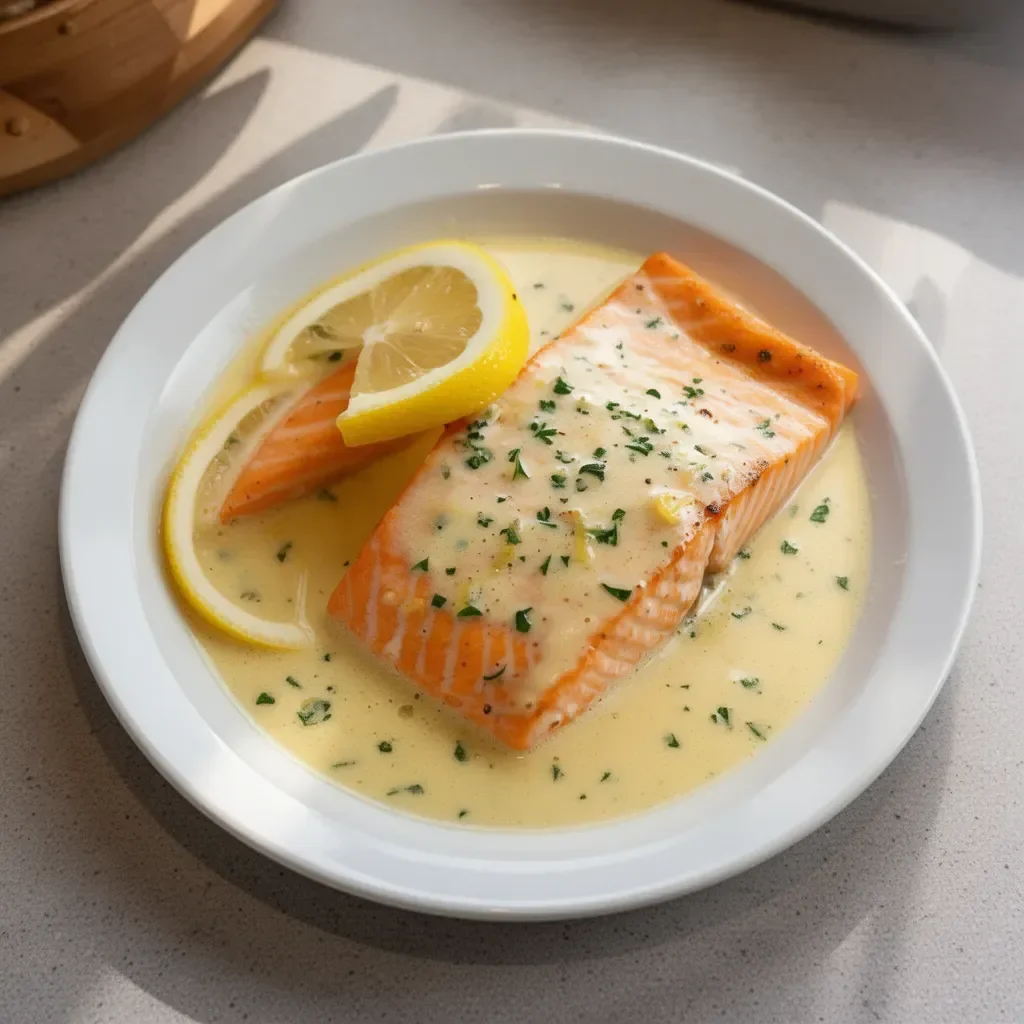
Salmon with Lemon Cream Sauce
The aroma of fresh salmon sizzling in the pan fills the kitchen with a sense of comfort and anticipation. Picture a sunny afternoon, gathering with family around a well-set table, and enjoying a beautifully cooked salmon fillet. Each bite melts in your mouth, enhanced by a luscious lemon cream sauce that brings the entire dish to life.
Salmon holds a special place in my heart, not just for its rich flavor but for the memories made while cooking it. Whether preparing for a casual dinner or an elegant gathering, this dish never fails to impress. The combination of garlic, lemon, and cream elevates the salmon, turning a simple meal into a culinary experience.
As I blend these flavors together, I remember the moments spent by the coast, where the sea breeze mingles with the savory scent of grilled fish. The vibrant color of lemon against the rich pink of salmon creates a feast for the eyes as well as the palate. Every time I cook salmon with lemon cream sauce, it’s a nostalgic reminder of why I adore seafood cooking so much.
Salmon with Lemon Cream Sauce
Fundamentals
Cooking salmon with lemon cream sauce requires understanding the essential components. The star of the show, salmon, provides rich, buttery flavor, while lemon brightens the dish, creating a perfect balance. When paired with garlic-infused heavy cream, the flavors blend beautifully, creating a comforting sauce that complements the fish perfectly.
Choosing fresh salmon is crucial for this dish. Fresh salmon fillets showcase a natural sheen and firm texture. Look for bright pink flesh with no browning or dully colored areas. Quality ingredients lead to the best results, making the dish more satisfying.
The beauty of this recipe lies in its simplicity. With just a handful of ingredients, you can master the art of preparing salmon with lemon cream sauce. The technique involves sautéing, simmering, and combining flavors for a truly delightful outcome.
Preparation/setup
Start the journey by preheating your oven to 375°F (190°C). This temperature creates a warm environment for finishing the salmon in the oven or serving it immediately after stove cooking.
Next, season the salmon fillets generously with salt and pepper. This simple seasoning enhances the natural flavors of the fish.
Prepare the skillet by heating a tablespoon of olive oil over medium heat. The oil allows for even cooking and prevents sticking. Once the oil shimmers, carefully add the salmon fillets to the skillet. Cook for 4-5 minutes on each side until golden and cooked through.
As the salmon cooks, prepare the aromatic sauce. Remove the salmon from the skillet once it’s cooked, and set it aside on a plate. The drippings left in the pan will enhance the flavor of the sauce.
Ingredients
- 4 salmon fillets
- 1 tablespoon olive oil
- Salt and pepper, to taste
- 1 cup heavy cream
- Zest of 1 lemon
- Juice of 1 lemon
- 2 cloves garlic, minced
- Fresh parsley for garnish
Directions
- Preheat the oven to 375°F (190°C).
- Season the salmon fillets with salt and pepper.
- In a large skillet, heat olive oil over medium heat and add the salmon, cooking for 4-5 minutes on each side, until golden and cooked through.
- Remove salmon from the skillet and set aside.
- In the same skillet, add minced garlic and sauté for 1 minute.
- Pour in the heavy cream, lemon zest, and lemon juice, stirring until the sauce thickens slightly.
- Return the salmon to the pan and coat with the sauce.
- Garnish with fresh parsley before serving.
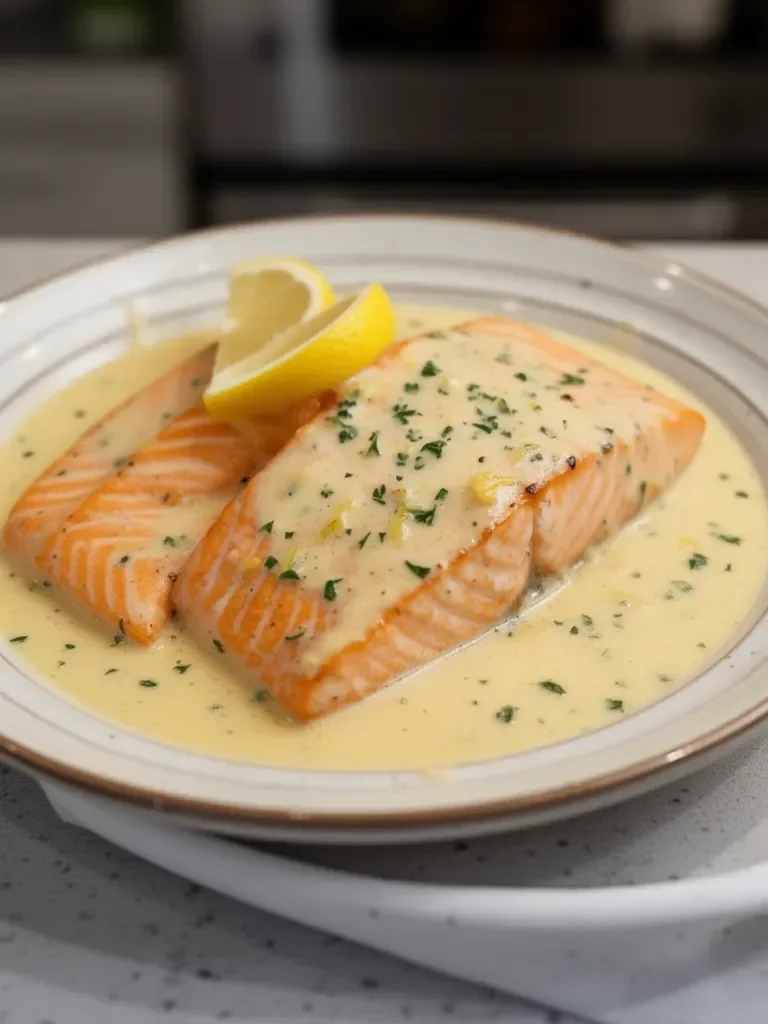
Mastering Salmon with Lemon Cream Sauce
Technique
To create a successful salmon with lemon cream sauce, mastering key techniques proves essential. Searing the salmon in a hot skillet ensures a crisp exterior while retaining moisture.
When cooking, consider using a fish spatula for easy flipping. This tool allows you to lift the salmon without breaking the fillets apart. Precision in timing plays a crucial role; overcooking dries out the salmon.
For the sauce, allow the garlic to sauté briefly before adding the cream. This step infuses the sauce with a deeper flavor. Stirring frequently helps the sauce blend seamlessly.
Tips/tricks
For an enhanced flavor, consider adding a pinch of red pepper flakes to the sauce for a subtle kick. A touch of freshness from additional herbs, like dill or chives, also works beautifully.
If heavy cream feels too rich for your taste, experimenting with half-and-half or coconut cream can provide lighter alternatives. Each variation brings its distinctive flavor profile, adapting to personal preferences while keeping the essence of the dish intact.
When reheating salmon, do so gently to prevent it from drying out. Warming in a low oven covered with foil serves this purpose well.
Elevating Your Salmon Dish
Perfecting Results
To achieve perfectly cooked salmon, use a food thermometer. It ensures the fish reaches the ideal internal temperature of 145°F (63°C). This method guarantees tenderness and safety.
For a slight variation, try marinating the salmon in lemon juice and herbs for 30 minutes before cooking. This technique imparts additional flavor and moisture, enhancing the dish’s final taste.
Understanding personal preferences also helps in perfecting your dish. Some favor a naturally rich flavor while others enjoy a touch of acidity. Balancing these preferences creates a dish that appeals to everyone at the table.
Troubleshooting/variations
If your sauce doesn’t thicken, consider cooking it for a few more minutes or adding a cornstarch slurry. This simple mixture of cornstarch and water can quickly resolve texture issues.
Don’t hesitate to swap out the salmon for another fish like trout or halibut. Similarly, adjust the sauce with alternative citrus fruits if lemon isn’t available. Lime or orange can provide exciting variations.
Serving Salmon with Lemon Cream Sauce
Serving/presentation
Presentation matters when it comes to serving salmon with lemon cream sauce. Arrange the salmon fillets neatly on plates, allowing the sauce to cascade over the top. Fresh parsley sprinkled as a garnish adds a pop of color and freshness.
Consider serving the dish alongside vibrant vegetable sides or a light salad. The plate’s visual appeal entices guests before they take their first bite.
Pairings/storage
When it comes to pairing dishes, consider complementary flavors like steamed asparagus or roasted potatoes. These sides enhance the dining experience without overpowering the main event.
For storage, place any leftover salmon in an airtight container. This method ensures freshness for up to three days in the refrigerator. Reheat gently before serving again to maintain moisture and flavor.
Recreating salmon with lemon cream sauce in your kitchen allows you to indulge in a delectable seafood experience. This dish stands as a celebration of flavors and a story of culinary adventures shared around the table.
Through each ingredient and step, you can master a recipe that promises to become a cherished favorite, ensuring that the joy of seafood cooking continues to flourish in your home.
Print
Salmon with Lemon Cream Sauce
- Prep Time: 10 minutes
- Cook Time: 15 minutes
- Total Time: 25 minutes
- Yield: 4 servings
- Category: Main Course
- Method: Sautéing
- Cuisine: Seafood
- Diet: Gluten-free
Description
A deliciously rich and flavorful salmon dish enhanced by a creamy lemon sauce.
Ingredients
- 4 salmon fillets
- 1 tablespoon olive oil
- Salt and pepper, to taste
- 1 cup heavy cream
- Zest of 1 lemon
- Juice of 1 lemon
- 2 cloves garlic, minced
- Fresh parsley for garnish
Instructions
- Preheat the oven to 375°F (190°C).
- Season the salmon fillets with salt and pepper.
- Heat olive oil over medium heat in a skillet and add salmon, cooking for 4-5 minutes on each side, until golden and cooked through.
- Remove salmon from the skillet and set aside.
- Add minced garlic to the same skillet and sauté for 1 minute.
- Pour in heavy cream, lemon zest, and lemon juice, stirring until the sauce thickens slightly.
- Return the salmon to the pan and coat with the sauce.
- Garnish with fresh parsley before serving.
Notes
For extra flavor, add red pepper flakes or fresh herbs like dill or chives.
