
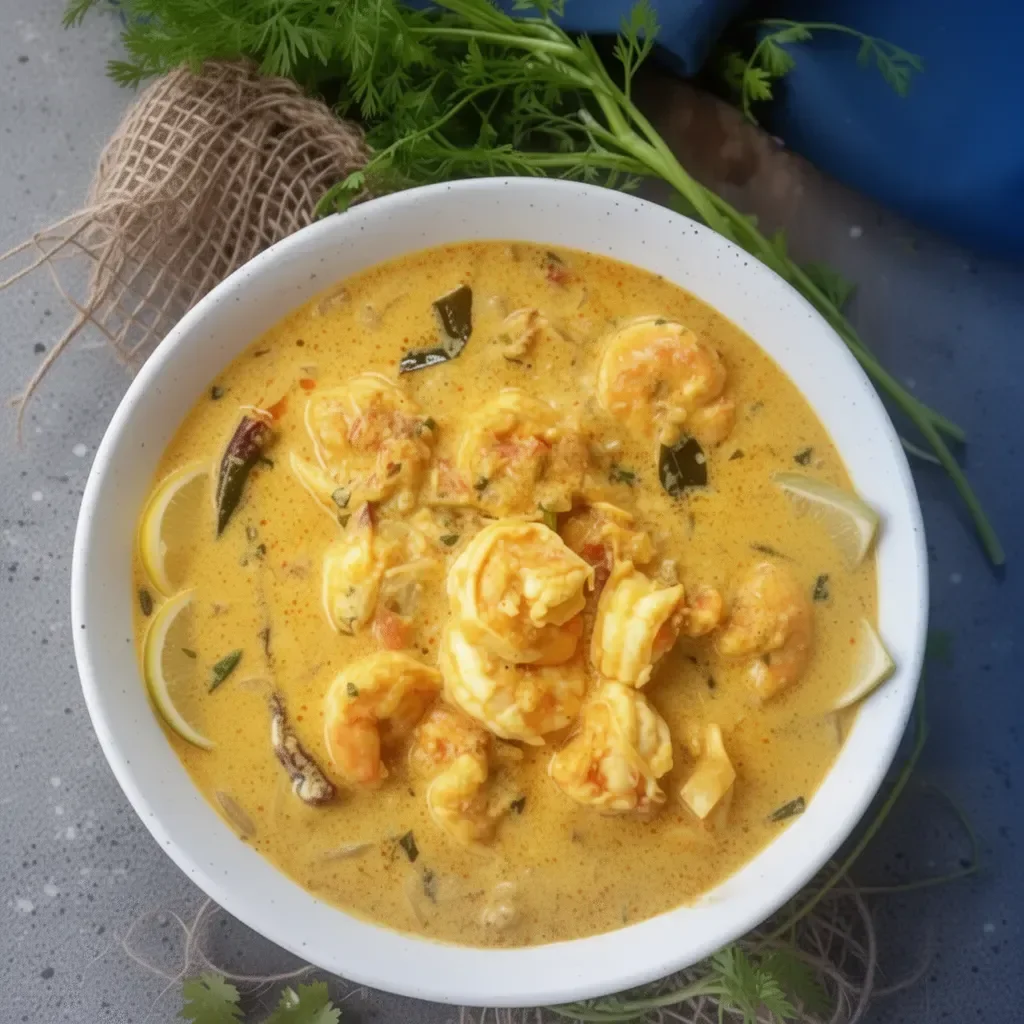
📑 Table of Contents ▶
Indian Coconut Shrimp Curry Recipe (Coconut Curry Shrimp)
Cooking seafood fills the kitchen with nostalgia, especially when preparing a coconut shrimp curry. It brings the vibrant flavors of India right to your dinner table. Memories of warm family gatherings over spicy, aromatic dishes make cooking this dish feel even more special.
The ingredients come together in a playful dance, blending textures and flavors. Each component of the dish holds the potential to transport you to a tropical paradise. The coconut milk, soft shrimp, and warm spices create a comforting bowl of goodness.
This coconut shrimp recipe is straightforward, inviting anyone—from seasoned chefs to kitchen novices—to dive in. It encourages experimentation, whether adjusting the spice levels or adding a twist with vegetables. The joy of creating a delicious meal is within reach!
Coconut Curry Shrimp
Fundamentals
Coconut curry shrimp combines a rich array of flavors, making it a beloved dish. The medium shrimp provides a sweet, tender bite, while coconut milk adds creaminess to the overall experience. Understanding the fundamental ingredients prepares you to master this dish easily.
The dynamics of cooking are equally essential. Start with coconut oil, which imparts a subtle sweetness and fragrance, warming the spices as they bloom. The fragrant curry leaves elevate the dish, combining beautifully with the onions and chilies to create an aromatic base.
Using fresh ingredients enhances flavor and ensures a delightful aromatic profile. The ginger garlic paste brings depth to the dish, while turmeric and coriander introduce earthy notes that balance the dish’s richness. The tamarind paste adds tang, creating an irresistible blend.
Preparation/Setup
Before diving into cooking, gather your ingredients. Measure out 400 grams of medium shrimp, 3 tablespoons of coconut oil, and 15-20 curry leaves. Having these components ready allows for a seamless cooking experience.
Prepare your aromatics: finely chop 1 cup of onions and ½ cup of tomatoes. Also, have your 2-3 dry red chilies and 2-3 green chilies ready to go. Focusing on preparation sets you up for success, so take your time to avoid rushing through the cooking process.
Make sure to keep an eye on shrimp preparation. Clean and devein them thoroughly. This step not only enhances the final dish but also ensures a pleasant eating experience free from any unwanted textures. With everything prepped, you can now focus on the fun part—cooking!
Ingredients
- 400 grams medium shrimp (cleaned and deveined)
- 3 tablespoons coconut oil (or any other cooking oil)
- 15-20 curry leaves
- 1 cup finely chopped onions
- 2-3 dry red chilies (broken)
- 2-3 green chilies (slit into half)
- 2 teaspoons ginger garlic paste
- ½ cup finely chopped tomatoes
- 2 teaspoons coriander powder
- ½ teaspoon turmeric powder
- 1 teaspoon Kashmiri red chilli powder
- ¼ teaspoon ground black pepper
- 1 teaspoon salt (or to taste)
- 1 tablespoon tamarind paste (pulp)
- 1 cup coconut milk
Directions
-
Heat coconut oil in a pan over medium-high heat. Let it get hot before adding further ingredients.
-
Once the oil is hot, toss in the curry leaves and chopped onions. Cook until the onions turn translucent, stirring frequently for about 6-8 minutes.
-
Add the dry red chilies and green chilies to the pan. Cook for one minute to release their flavors.
-
Now, introduce the ginger garlic paste. Cook this mixture until the raw smell disappears, which should take about 2-3 minutes. Avoid rushing through this step; raw ginger-garlic can undermine flavor.
-
Add the finely chopped tomatoes and ½ cup of water. Cook for another 2-3 minutes, allowing the tomatoes to break down.
-
Mix in the coriander powder, turmeric powder, chili powder, ground black pepper, and salt. Cook for an additional 10-15 seconds to meld the spices with the tomatoes.
-
Add another ½ cup of water along with the tamarind paste. Stir this mixture, letting it cook for 3-4 minutes while stirring occasionally.
-
Lower the heat to a simmer and gently fold in the coconut milk. Cook for 2-3 minutes. Watch closely—never hard-boil coconut milk, as a vigorous boil causes it to split, resulting in a less-than-desirable texture.
-
Add the shrimp and cook for an additional 4-5 minutes until they are just opaque. It’s crucial not to overcook the shrimp; overcooked shrimp turns rubbery and loses its exquisite sweetness.
-
Taste the curry, adjusting salt and tamarind to suit your preferences. If desired, add ½ teaspoon of brown sugar to balance the spicy and tangy flavors.
-
Garnish your coconut curry shrimp with fresh, chopped cilantro before serving hot.
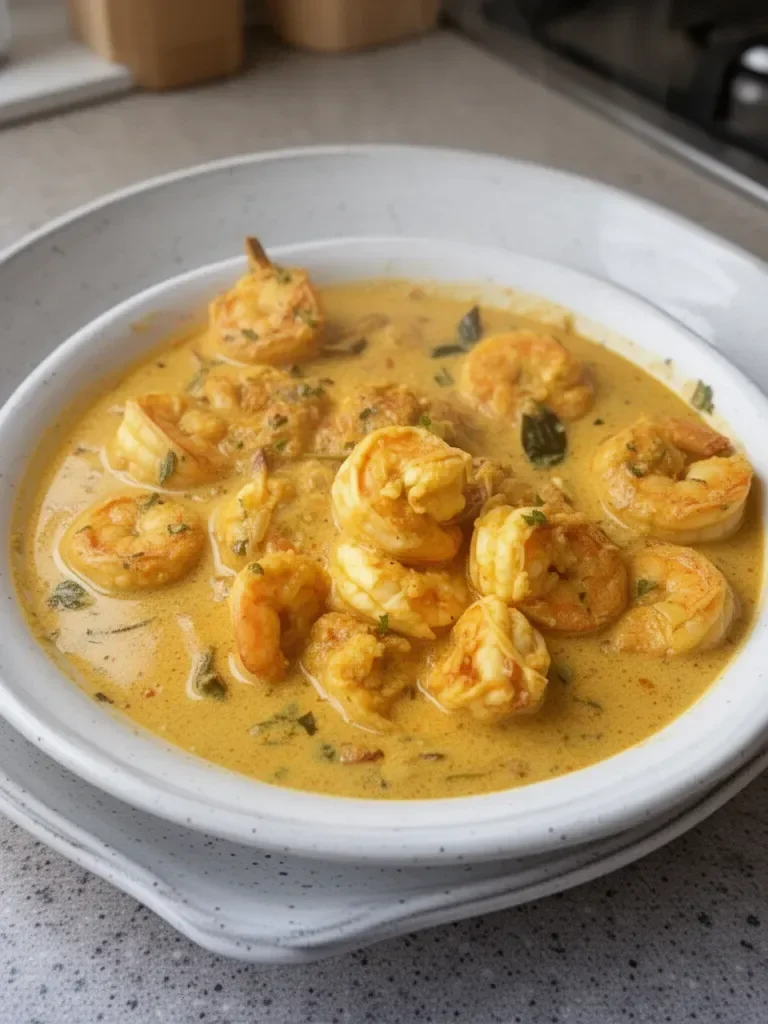
Coconut Shrimp Curry
Technique
Creating the perfect coconut shrimp curry requires attention to detail. Each step in the cooking process matters, especially when it comes to timing. Cooking the aromatics for enough time allows the flavors to bloom, creating a rich, fragrant base.
When you add spices, such as turmeric and coriander, make sure they toast slightly in the oil before introducing other liquids. Toasting spices enhances their aroma and makes the dish more flavorful, providing a great depth of taste.
The shrimp cooking technique also plays a crucial role in your final result. Gently place the shrimp in the curry and ensure they are just cooked through. They will finish cooking within residual heat if removed from the heat promptly.
Tips/Tricks
For a truly delightful coconut shrimp curry, freshness is key. Using fresh shrimp will always yield superior flavor compared to frozen options. However, if frozen shrimp are your only option, thaw them overnight in the refrigerator before cooking.
Adjust the heat based on your preference. If you love bold flavors, increase the number of green chilies or add a pinch of cayenne pepper for an extra kick. Conversely, you can tone down spice levels by reducing the number of green chilies or opting for milder varieties.
Always taste and season as you go. This practice helps to fine-tune the flavors according to your taste preferences, allowing the dish to suit your palate perfectly.
Coconut Shrimp Curry
Perfecting Results
Perfecting coconut shrimp curry may take practice, but it’s worth honing your skills. Balancing the flavors is critical; too much tamarind can overpower the sweetness of the coconut, while too little leaves the dish flat. Experiment with ratios until the flavor profile feels just right.
The thickness of your sauce can also change the overall experience. If the sauce feels too thick, add a splash of water or coconut milk. For a thicker consistency, allow it to reduce slightly on the heat after adding shrimp.
Lastly, let the curry rest for a few minutes after cooking. This pause allows flavors to marry beautifully, resulting in an even more cohesive dish.
Troubleshooting/Variations
If your coconut shrimp curry turns out watery, do not worry. This can happen if too much liquid is added. You can rectify this by simmering it uncovered for a bit longer until it reduces to your desired thickness.
Alternatively, consider adding vegetables like bell peppers, green beans, or peas for additional texture and nutrition. These ingredients can enhance the dish without overpowering the shrimp at the same time.
If you find the dish too spicy, serve it alongside steamed rice or a cooling cucumber salad to balance the flavors.
Coconut Shrimp Curry
Serving/Presentation
Serving your coconut shrimp curry beautifully enhances the entire dining experience. Use a shallow bowl to showcase the vibrant colors of your curry. Garnish generously with fresh cilantro for a pop of green and a hint of freshness.
Consider pairing the curry with steamed jasmine rice or fluffy basmati rice, which soak up the luscious sauce beautifully. A sprinkle of toasted coconut flakes can add an inviting crunch, bringing texture to your meal.
Pairings/Storage
Coconut shrimp curry pairs wonderfully with various sides. Serve fresh naan or roti for scooping and enjoying every last bit of sauce. If you prefer a lighter side, consider a simple green salad drizzled with lime juice.
Store leftovers in an airtight container in the refrigerator for up to three days. Reheat gently on the stove, adding a splash of water or coconut milk to refresh the sauce.
This coconut shrimp curry recipe brings a taste of India to your table, elevating weeknight dinners with its rich blend of spices and creamy coconut base. Dive in and enjoy!
Print
Indian Coconut Shrimp Curry
- Prep Time: 15 minutes
- Cook Time: 30 minutes
- Total Time: 45 minutes
- Yield: 4 servings
- Category: Main Course
- Method: Stovetop
- Cuisine: Indian
- Diet: Seafood
Description
A rich and aromatic coconut shrimp curry that brings the vibrant flavors of India to your dinner table.
Ingredients
- 400 grams medium shrimp (cleaned and deveined)
- 3 tablespoons coconut oil
- 15-20 curry leaves
- 1 cup finely chopped onions
- 2-3 dry red chilies (broken)
- 2-3 green chilies (slit into half)
- 2 teaspoons ginger garlic paste
- ½ cup finely chopped tomatoes
- 2 teaspoons coriander powder
- ½ teaspoon turmeric powder
- 1 teaspoon Kashmiri red chilli powder
- ¼ teaspoon ground black pepper
- 1 teaspoon salt (or to taste)
- 1 tablespoon tamarind paste (pulp)
- 1 cup coconut milk
Instructions
- Heat coconut oil in a pan over medium-high heat. Let it get hot before adding further ingredients.
- Once the oil is hot, toss in the curry leaves and chopped onions. Cook until the onions turn translucent, stirring frequently for about 6-8 minutes.
- Add the dry red chilies and green chilies to the pan. Cook for one minute to release their flavors.
- Now, introduce the ginger garlic paste. Cook this mixture until the raw smell disappears, which should take about 2-3 minutes.
- Add the finely chopped tomatoes and ½ cup of water. Cook for another 2-3 minutes, allowing the tomatoes to break down.
- Mix in the coriander powder, turmeric powder, chili powder, ground black pepper, and salt. Cook for an additional 10-15 seconds.
- Add another ½ cup of water along with the tamarind paste. Stir this mixture, letting it cook for 3-4 minutes.
- Lower the heat to a simmer and gently fold in the coconut milk. Cook for 2-3 minutes, being careful not to hard-boil.
- Add the shrimp and cook for an additional 4-5 minutes until they are just opaque.
- Taste the curry, adjusting salt and tamarind as necessary. Garnish with fresh, chopped cilantro before serving hot.
Notes
For best results, use fresh shrimp. Adjust spice levels according to your preference.
