
📑 Table of Contents ▶
Spanish Fish Stew
Cooking seafood brings back some of my fondest childhood memories. Growing up by the coast, my family would often gather around the table, sharing meals inspired by the ocean’s bounty. The warm scent of fresh fish and spices would fill the air, inviting us into a world rich with flavors. Among the many seafood dishes, Spanish fish stew holds a special place in my heart.
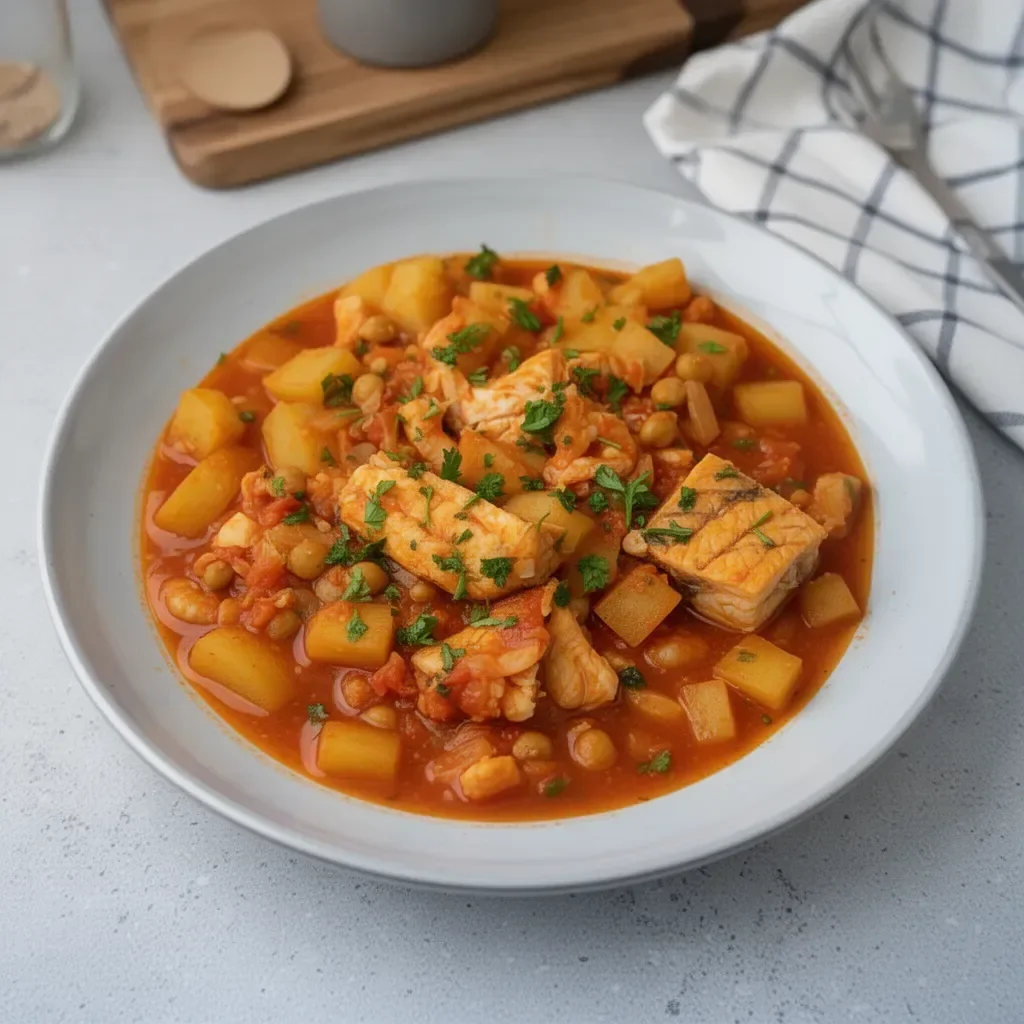
This delightful stew blends chunks of white fish with hearty potatoes, aromatic herbs, and vibrant tomatoes. Each bite transports you to the sun-drenched shores of Spain, where flavors mingle and warmth radiates from every dish. My version captures the essence of that traditional dish while making it simple enough for a weeknight dinner.
As you prepare this dish, the cooking process becomes a comforting ritual. The hum of the stovetop, the sizzle of garlic, and the fresh scent of parsley all create an atmosphere that is both cheerful and tranquil. Spanish fish stew isn’t just a meal; it’s an experience, a sharing of traditions that feeds both the body and the soul.
Fundamentals
Creating a delicious Spanish fish stew begins with understanding its fundamentals. The foundation of this dish rests on selecting quality ingredients. Fresh white fish such as cod or haddock works best, offering a tender texture that absorbs flavors beautifully. When cooking with seafood, freshness truly matters, so opt for fish that looks bright and smells like the ocean.
Potatoes provide heartiness, making the stew filling and satisfying. Choose waxy varieties that hold their shape well upon cooking. Combine these with the sweetness of onions, the fragrant aroma of garlic, and the aniseed notes of fennel to create a layered flavor profile. Adding saffron and paprika introduces warmth and depth, essential traits in a classic Spanish stew.
Another crucial aspect involves the broth. Use either fish or vegetable broth as a base, ensuring it aligns with your dietary preferences. The broth acts as a vessel for the flavors to meld, enhancing the overall taste of the dish. Choosing quality broth can elevate your stew significantly, so take care in this selection.
Preparation/setup
Preparation begins with a bit of chopping and slicing. Dice the potatoes into bite-sized cubes for even cooking. Chop the onion and fennel finely, as their flavors will permeate the broth more effectively when cut small. Mince the garlic, which adds a pungent kick to the dish. This initial prep will streamline the cooking process, allowing for a smoother experience as the ingredients come together.
Start by heating olive oil in a large pot over medium heat. Once the oil shimmers, toss in the onions and garlic. Sauté until fragrant and translucent; this usually takes about 3-5 minutes. These steps unlock the essential oils in the ingredients, setting the stage for the flavors to build.
Following this, add the chopped fennel to the pot. Cooking it for an additional five minutes allows it to soften, while its unique flavor melds into the mixture. Each layer of preparation builds upon the last, leading to a complex and aromatic base for your stew.
Ingredients
For this Spanish fish stew, gather the following ingredients:
- 2 pounds white fish (such as cod or haddock), cut into chunks
- 2 large potatoes, peeled and diced
- 1 onion, chopped
- 4 cloves garlic, minced
- 1 fennel bulb, chopped
- 1 can (14 oz) diced tomatoes
- 4 cups fish or vegetable broth
- 1 teaspoon paprika
- 1 teaspoon saffron threads
- Salt and pepper to taste
- Olive oil
- Chopped fresh parsley for garnish
These components are central to creating a flavorful and satisfying dish. With everything prepped and ready, you can transition into the cooking phase.
Directions
- In a large pot, heat olive oil over medium heat. Add the onion and garlic, sauté until translucent.
- Add the fennel and cook for another 5 minutes.
- Stir in the paprika and sauté for 1 minute to release its flavor.
- Add the potatoes and cooked fish; pour in the broth and diced tomatoes.
- Season with saffron, salt, and pepper.
- Bring to a boil, then reduce heat to simmer for 20-25 minutes or until the potatoes are tender.
- Serve hot, garnished with fresh parsley.
Technique
Mastering the technique behind Spanish fish stew elevates the dish into a truly delightful experience. Control your heat carefully throughout the cooking process. Starting with medium heat allows flavors to meld gradually without burning.
Stirring occasionally ensures that the ingredients unite harmoniously, without letting one element dominate. This gentle approach allows the potatoes to absorb the aromatic broth while maintaining their form. Remember that patience is key; as the stew simmers, the flavors intensify.
Utilizing saffron requires a little extra attention. It thrives on being infused in warm liquids. Add saffron threads early in the cooking process, allowing them to release their vibrant hue and rich flavor. This method enriches the stew visually and taste-wise.
Tips/tricks
To personalize your stew, feel free to experiment with the ingredients. If you love seafood, you can mix in shrimp or scallops for added variety. Adjusting the type of broth can also change the flavor profile; try using homemade broth for an even richer taste.
Remember, the quality of your ingredients can dramatically affect your final dish. Fresh vegetables and fish will always make for a better stew. If you’re short on time, canned tomatoes can suffice, but fresh produce gives a noticeable brightness to the flavor.
When cooking this stew, consider your herb choices as well. Fresh parsley not only garnishes the dish but adds a burst of color and flavor every time you take a bite. Don’t hesitate to sprinkle in additional herbs such as thyme or basil to suit your preference.
Perfecting results
Achieving the perfect Spanish fish stew hinges on a few key elements. Start by ensuring your fish is cut into consistent sizes, allowing for even cooking. Smaller pieces will finish cooking faster than larger ones, which may lead to some pieces becoming overcooked and others underdone.
Monitor your simmering time as well. The 20-25 minutes should allow the potatoes to become tender without turning mushy. A simple fork test helps determine if your potatoes are ready.
If you ever find your stew too thick, simply add a bit more broth to achieve your desired consistency. On the other hand, if it’s too watery, let it simmer uncovered for a few minutes more to allow some moisture to evaporate and concentrate the flavors.
Troubleshooting/variations
Sometimes, things don’t go as planned. If your stew tastes a little bland, try adding extra salt or a squeeze of lemon juice to brighten the flavors. If you want more heat, adding red pepper flakes can give your dish an exciting kick.
Variations in cooking times might occur depending on the size of your pot and the heat of your stovetop. Always trust your senses, and use taste testing to guide you.
Feel free to customize with seasonal vegetables or alternate types of seafood. Each revision can introduce new textures and surprises, keeping dinners exciting and fresh.
Serving/presentation
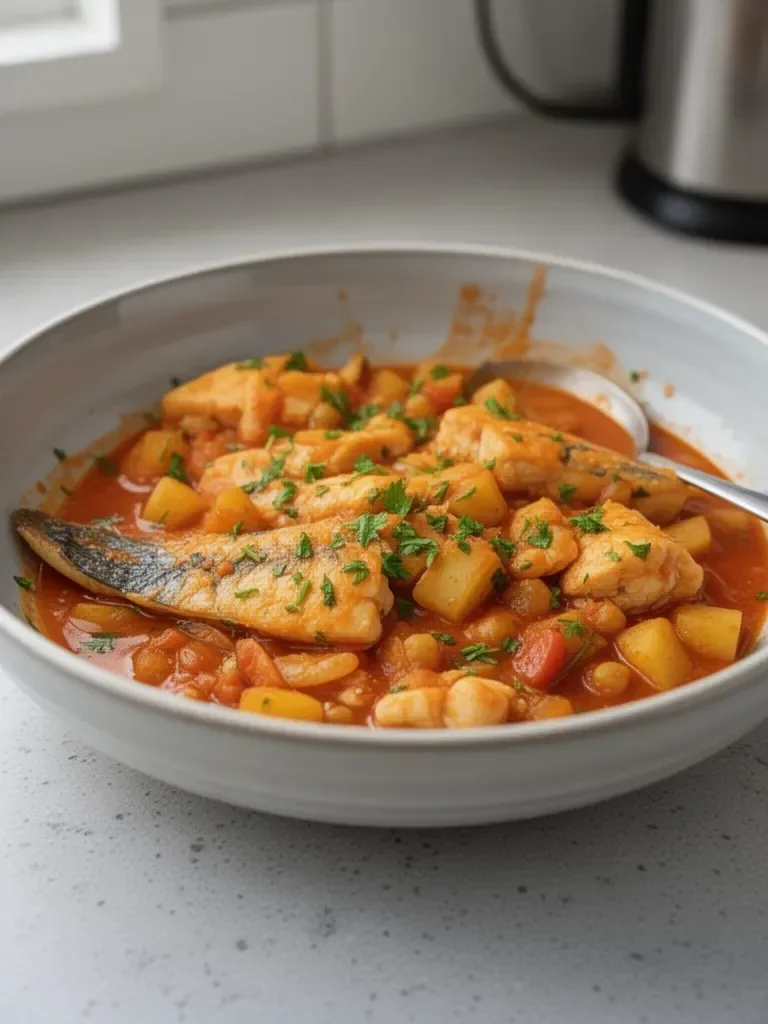
Serving Spanish fish stew can become a delight in itself. Ladle the stew into deep bowls for a rustic presentation, highlighting the beautiful layers of fish and vegetables. Garnish generously with chopped fresh parsley for that bright touch, inviting everyone to dig in.
Consider offering crusty bread on the side. It complements the dish, allowing guests to soak up the flavorful broth. Presenting your stew with a side of a light salad can refresh the palate and round out the meal beautifully.
Pairings/storage
Pairing this stew with accompaniments like a citrusy salad or crusty bread enhances its overall appeal. The refreshing crunch of a salad contrasts nicely with the rich broth and tender fish.
For storage, let the stew cool completely before transferring it to an airtight container. Refrigerate for up to three days. Reheat gently on the stovetop, adding a splash of water if necessary to restore the consistency.
The flavors develop further upon refrigeration, giving you a second tasting experience that feels even richer than the first.
Spanish fish stew not only stands as a testament to simple yet powerful cooking but also serves as a reminder of the joy found in sharing meals with loved ones. Its comforting nature fills the belly and nurtures the soul, making it a perfect addition to any home-cooked rotation. Enjoy cooking and savor every bite!
Print
Spanish Fish Stew
- Prep Time: 15 minutes
- Cook Time: 30 minutes
- Total Time: 45 minutes
- Yield: 4 servings
- Category: Main Course
- Method: Stovetop
- Cuisine: Spanish
- Diet: Seafood
Description
A delightful Spanish fish stew made with fresh white fish, potatoes, and a blend of aromatic herbs and spices that transport you to the sun-drenched shores of Spain.
Ingredients
- 2 pounds white fish (such as cod or haddock), cut into chunks
- 2 large potatoes, peeled and diced
- 1 onion, chopped
- 4 cloves garlic, minced
- 1 fennel bulb, chopped
- 1 can (14 oz) diced tomatoes
- 4 cups fish or vegetable broth
- 1 teaspoon paprika
- 1 teaspoon saffron threads
- Salt and pepper to taste
- Olive oil
- Chopped fresh parsley for garnish
Instructions
- In a large pot, heat olive oil over medium heat. Add the onion and garlic, sauté until translucent.
- Add the fennel and cook for another 5 minutes.
- Stir in the paprika and sauté for 1 minute to release its flavor.
- Add the potatoes and cooked fish; pour in the broth and diced tomatoes.
- Season with saffron, salt, and pepper.
- Bring to a boil, then reduce heat to simmer for 20-25 minutes or until the potatoes are tender.
- Serve hot, garnished with fresh parsley.
Notes
Fresh ingredients greatly enhance the flavor of the stew. Serve with crusty bread on the side for a complete meal.
