
📑 Table of Contents ▶
Chow Mein with Authentic Chow Mein Sauce
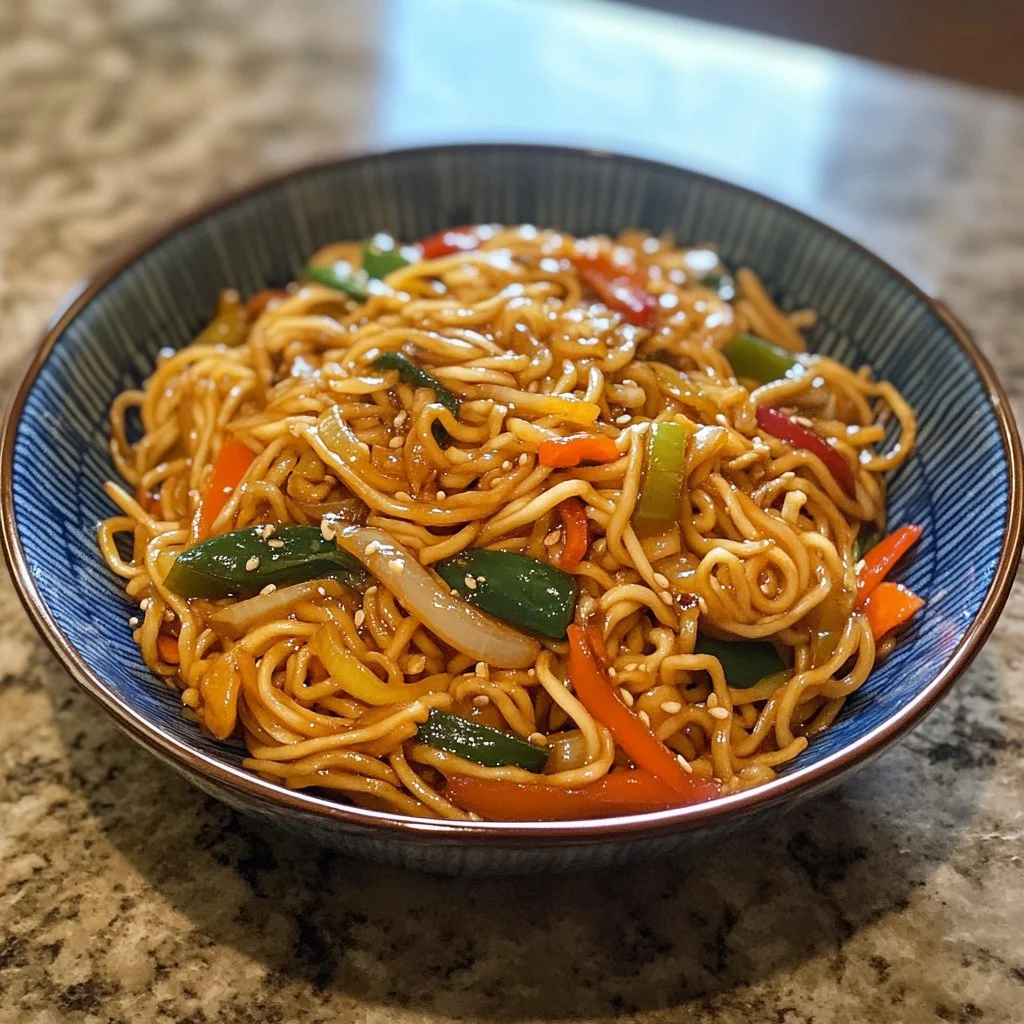
A memorable experience in my culinary journey revolves around the first time I tasted chow mein. Nestled in a cozy Chinese restaurant, the aroma of sizzling garlic filled the air as I eagerly awaited my meal. When the steaming plate of chow mein finally arrived, the vibrant colors of the vegetables caught my eye. The noodles looked perfectly cooked, shiny, and inviting. I remember taking that first bite—the combination of textures and flavors was delightful, and I knew I had to recreate this dish in my own kitchen.
Chow mein, a beloved staple, represents comfort and warmth. The delightful interplay of crisp vegetables and soft noodles creates a dish that feels both wholesome and indulgent. Chopsticks in hand, I experimented with different ingredients, seeking to replicate that heartwarming pleasure. Over time, I cultivated a recipe that feels authentic to me, reflecting the flavors I cherished.
In this chow mein recipe, I aim to combine fresh ingredients to capture that very essence I first fell in love with. The unique seasonings make every bite an experience. Let’s embark on this culinary adventure together, recreating authentic chow mein that brings the joy of dine-in experiences right to your home.
Chow Mein Essentials
Fundamentals
Chow mein involves an exciting combination of vegetables, noodles, and sauces. Understanding the fundamentals elevates this dish from ordinary to extraordinary. The key lies in cooking everything at high heat to achieve that sought-after “wok hei,” which translates to “breath of the wok.” This imparts a signature smoky flavor that enhances the overall taste.
The noodles play a pivotal role in chow mein. Opting for egg noodles provides a rich and satisfying base for the other ingredients. Fresh spring onions or green onions add a crisp texture, while cabbage and carrots contribute color and crunch. Having everything prepared before starting makes the cooking process smooth and enjoyable.
Preparation/setup
Preparation sets the tone for a successful cooking experience. Begin by gathering all your ingredients, ensuring you have 1/2 small cabbage, 5 green onions, 2 carrots, and 300g/11 oz noodles ready to go. Each component adds unique flavors and textures, making the chow mein a delightful experience.
Chop the cabbage into thin strips. Slice the green onions, reserving the white parts for cooking and the green tops for garnish. Julienne the carrots for uniform cooking. Grate the garlic cloves to release their flavorful oils. Organizing these elements beforehand will streamline the cooking process and yield a more coherent dish.
Ingredients
- 1/2 small cabbage, thinly sliced
- 5 green onions/spring onions, sliced (reserve green tops)
- 2 carrots, julienned
- 300g/11 oz egg noodles
- 4 tbsp neutral cooking oil
- 1 tsp toasted sesame oil (optional)
- 1.5 tbsp light soy sauce
- 1 tbsp dark soy sauce
- 1 tbsp oyster sauce (regular or vegetarian)
- 3 garlic cloves, grated
- 1 tsp sugar
- 2 tbsp water
Directions
Start by cooking the noodles according to the package instructions, then drain and set aside. In a large pan or wok, heat 4 tablespoons of cooking oil over high heat. Once the oil shimmers, add the grated garlic, stirring quickly to prevent burning.
Toss in the sliced cabbage, carrots, and the white parts of the green onions, stirring constantly. This ensures that every vegetable cooks evenly while retaining its crispness.
After a few minutes, add the cooked noodles to the pan, followed by the light soy sauce, dark soy sauce, oyster sauce, sugar, and optional sesame oil. Mix everything thoroughly to combine the flavors, then add 2 tablespoons of water. This moisture helps steam the vegetables while allowing the noodles to soak up the sauce.
Finally, serve hot, garnishing with the reserved green onion tops. This chow mein awaits enjoyment alongside your favorite protein or even on its own, bringing that restaurant vibe right to your table.
Chow Mein Variations
Technique
Mastering the technique of stir-frying is essential for a perfect chow mein. High heat is critical, as it cooks the ingredients quickly while preserving their texture and flavor. A well-seasoned wok or non-stick pan creates a non-stick surface, allowing ingredients to sear beautifully.
Knowing when to add each ingredient also matters. Start with those that take longer to cook, like cabbage and carrots, followed by the softer noodles. This sequence ensures everything reaches the perfect level of doneness simultaneously.
Tips/tricks
To elevate your chow mein experience, consider these handy tips. Using fresh vegetables enhances flavor; frozen or pre-cut options may not yield that crispiness. Slicing ingredients uniform ensures even cooking, creating a balanced bite.
For a deeper flavor, feel free to adjust the sauces, adding a little more of your favorites. If you enjoy spiciness, consider implementing a touch of chili sauce or fresh peppers as you cook.
To achieve an even better texture, let the noodles rest for a minute after draining them. This step helps achieve the right consistency when they hit the hot pan.
Perfecting Chow Mein Results
Perfecting results
Perfecting chow mein involves understanding the balance of flavors and textures. Aim for a harmonious blend of sweetness from the sugar and the umami depths from the soy and oyster sauces. Each ingredient should complement the others without overshadowing them.
Keep an eye on the cooking time; overcooked vegetables lose their vibrant color and crunch. A quick stir-fry transforms them into a delightful fusion, maintaining their natural flavors.
Troubleshooting/variations
Common issues arise during cooking, but they’re easily fixed. If your chow mein seems too dry, adding a touch of more water or oil during cooking can restore moisture. On the other hand, if it’s too soggy, let it cook a bit longer to evaporate excess moisture.
Ingredient substitutions offer flexibility. Swap out the vegetables based on your preference or availability, creating variations for every season. Add bell peppers for sweetness or snap peas for a fresh crunch.
Presentation and Serving Suggestions
Serving/presentation
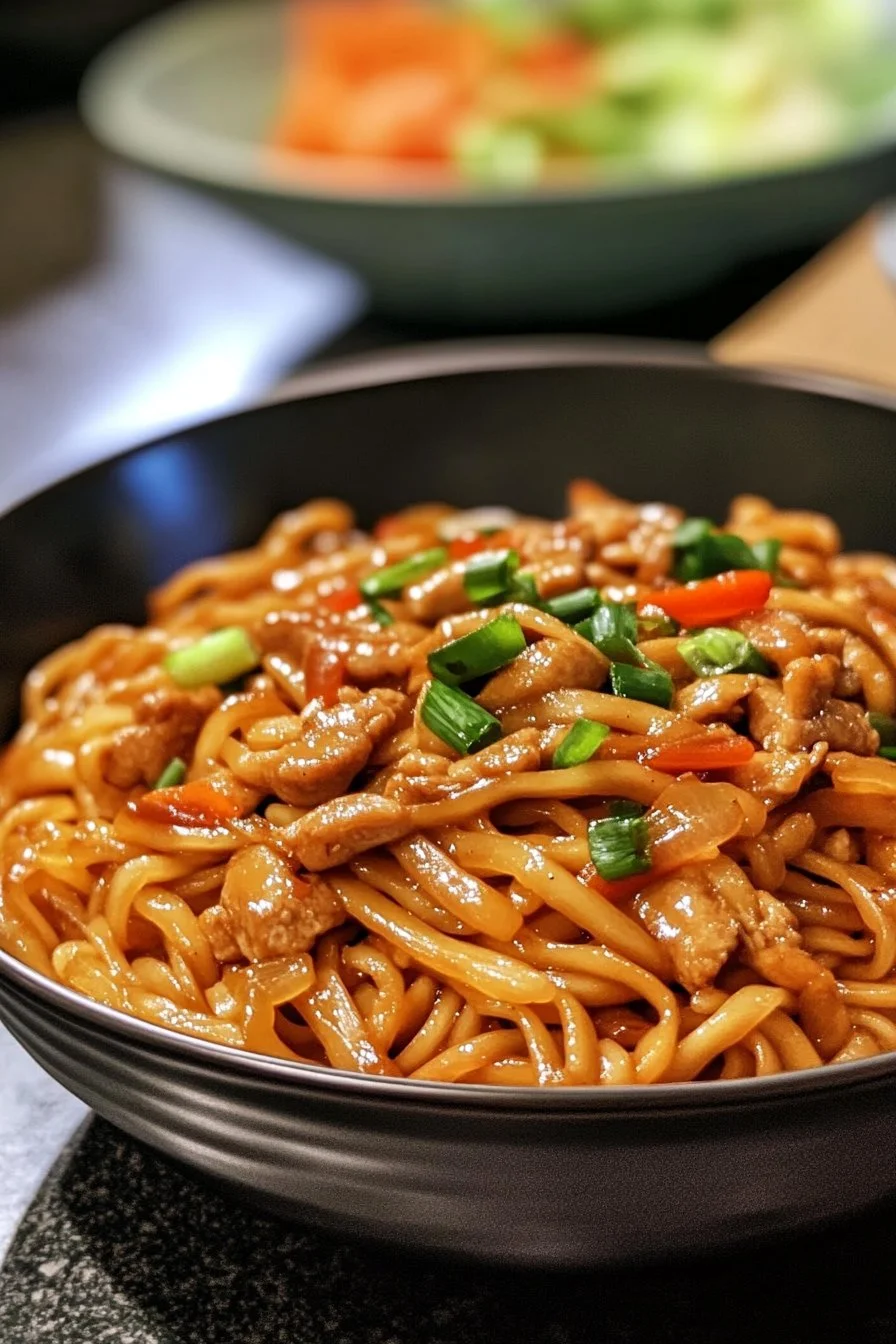
Presenting chow mein beautifully enhances the dining experience. Use a large serving bowl, or plate individual portions for a more elegant approach. Arrange the noodles in a nest and top them with a generous portion of vibrant vegetables.
Garnishing with thinly sliced green onions adds a pop of color and freshness. Toasted sesame seeds can provide a delightful crunch and additional flavor.
Pairings/storage
Chow mein pairs well with various dishes. Consider serving it alongside grilled chicken or tofu for a balanced meal. A simple side salad with a light dressing complements the flavors of the main dish without overpowering it.
For storage, keep any leftovers in an airtight container in the refrigerator. Chow mein remains delicious for a few days; reheat gently in a pan or microwave, adding a splash of water to prevent dryness.
Overall, chow mein serves as a fantastic canvas for creativity. Enjoy experimenting with your ingredients, and make it uniquely yours.
Chow mein represents more than just a meal; it embodies the joy of cooking and sharing good food. Embrace the flavors, play with textures, and create lasting memories with each delicious bite. Enjoy the experience as you immerse yourself in this delightful dish.
Print
Chow Mein with Authentic Chow Mein Sauce
- Prep Time: 15 minutes
- Cook Time: 20 minutes
- Total Time: 35 minutes
- Yield: 4 servings
- Category: Main Course
- Method: Stir-frying
- Cuisine: Chinese
- Diet: Vegetarian
Description
A delightful and authentic chow mein recipe that combines fresh vegetables and egg noodles, delivering a comforting and satisfying dish.
Ingredients
- 1/2 small cabbage, thinly sliced
- 5 green onions/spring onions, sliced (reserve green tops)
- 2 carrots, julienned
- 300g/11 oz egg noodles
- 4 tbsp neutral cooking oil
- 1 tsp toasted sesame oil (optional)
- 1.5 tbsp light soy sauce
- 1 tbsp dark soy sauce
- 1 tbsp oyster sauce (regular or vegetarian)
- 3 garlic cloves, grated
- 1 tsp sugar
- 2 tbsp water
Instructions
- Cook the noodles according to package instructions, drain, and set aside.
- In a large pan or wok, heat 4 tablespoons of cooking oil over high heat.
- Add the grated garlic, stirring quickly to prevent burning.
- Stir in the sliced cabbage, carrots, and the white parts of the green onions, cooking until evenly crisp.
- Add the cooked noodles, followed by the light soy sauce, dark soy sauce, oyster sauce, sugar, and optional sesame oil. Mix thoroughly.
- Add 2 tablespoons of water to help steam the vegetables and combine flavors.
- Serve hot, garnished with reserved green onion tops.
Notes
For extra flavor, consider adding chili sauce or fresh peppers while cooking. Store leftovers in an airtight container in the refrigerator.
