
📑 Table of Contents ▶
Baked Salmon
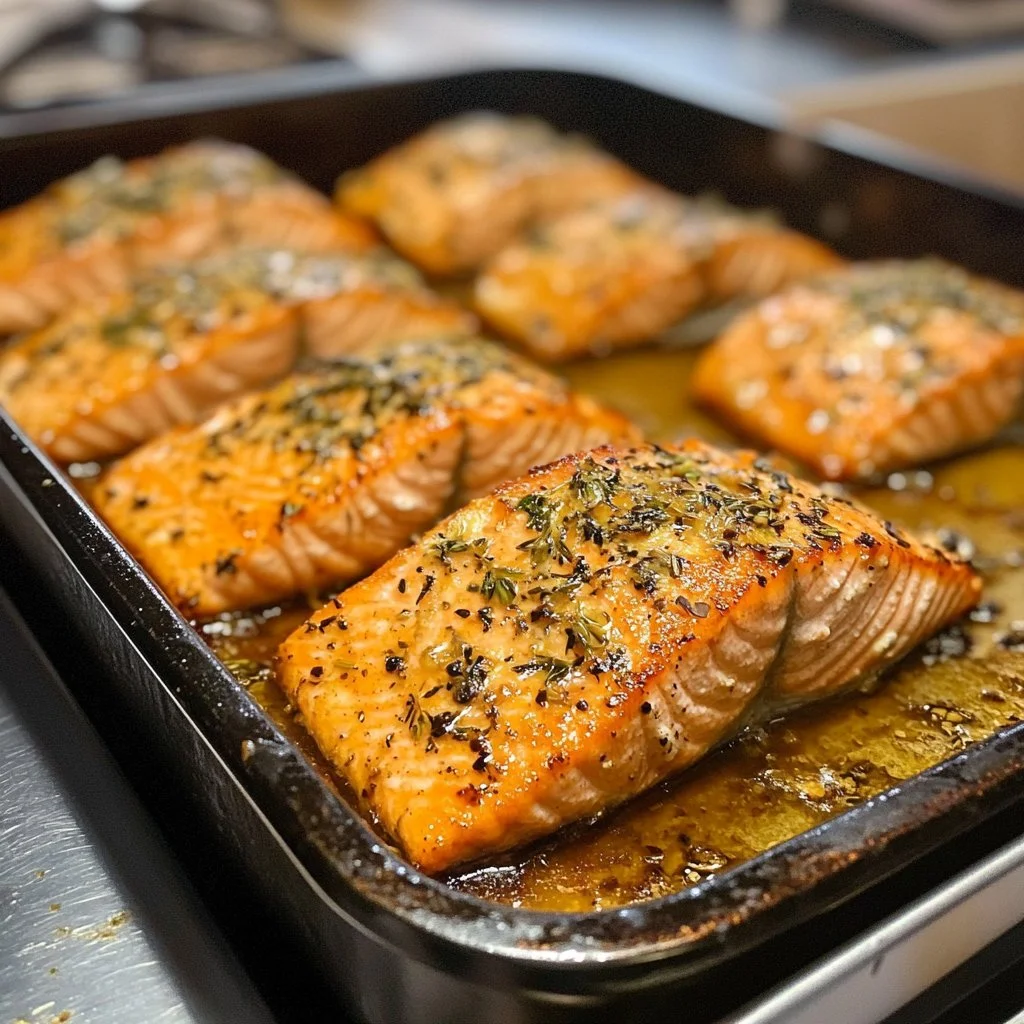
Discovering the beauty of baked salmon feels like a breath of fresh ocean air. There’s something special about letting the natural flavors of the fish shine through. The time I first baked salmon, I was eager to impress my family with a meal that was both simple and delightful. The smell of sweet honey and savory soy sauce wafted through the kitchen, creating an inviting atmosphere. Everyone gathered around the table, excitement bubbling as we anticipated the feast.
Baked salmon became a go-to dish in my kitchen. Its ease of preparation and vibrant flavor continually captivated my family and friends. Children and adults alike devoured the flaky fish, and soon enough, requests for this recipe rolled in. I always feel a buzz of satisfaction when sharing it, knowing it brings smiles to familiar faces. Prepared in no time, this baked salmon promises to warm any heart and satisfy any appetite.
Whether you’re looking for a weeknight dinner or a special occasion dish, baked salmon holds a special place. As we dive into the recipe, get ready to transform your kitchen into a seafood haven with this delicious and easy-to-make meal.
Baked Salmon Basics
Baking salmon delivers not only fantastic flavors but also an enjoyable experience in meal preparation. This method retains the moistness of the fish while adding delicious layers of taste. Baked salmon stands out for its versatility and adaptability in flavors, making it suitable for varying preferences and occasions.
One crucial aspect of cooking salmon involves understanding its characteristics. Salmon fillets lend themselves beautifully to the oven, giving you a luxurious meal without the fuss. The balance of savory ingredients enhances the fish’s natural richness, turning each bite into a culinary delight. For those new to cooking seafood, baked salmon provides a perfect entry point.
With a simple glaze combining honey, soy sauce, Dijon mustard, and minced garlic, this recipe elevates your dish effortlessly. The sweetness of the honey contrasts with the saltiness of soy sauce, giving you a well-rounded flavor profile. Mastering these fundamentals ensures success and will encourage you to explore further culinary adventures.
Preparation and Setup
Preparation plays a pivotal role in creating the perfect baked salmon. Begin by gathering your ingredients to streamline the cooking process. You’ll need four salmon fillets, honey, soy sauce, Dijon mustard, and a clove of garlic. Having everything in order creates a more enjoyable cooking experience!
Start by preheating your oven to 375°F (190°C). This temperature ensures an even cook while preventing the salmon from drying out. Line a baking sheet with parchment paper for easy cleanup and to prevent sticking. Parchment paper also allows for optimal heat distribution, which contributes to an excellent outcome.
Once you have settled the oven and lined the baking sheet, it’s time to create that delectable glaze. In a small bowl, mix the honey, soy sauce, Dijon mustard, and minced garlic. Stir until thoroughly combined, allowing the flavors to meld beautifully.
Ingredients
To create this scrumptious baked salmon, you’ll need:
- 4 salmon fillets: Fresh, high-quality salmon ensures the best taste.
- 1/4 cup honey: This natural sweetener brings a delightful flavor to the dish.
- 2 tablespoons soy sauce: This adds depth and a savory element to every bite.
- 1 tablespoon Dijon mustard: This contributes a tangy kick.
- 1 clove garlic: Mince finely to distribute flavor throughout the glaze.
Directions
- Preheat the oven to 375°F (190°C).
- In a small bowl, mix honey, soy sauce, Dijon mustard, and minced garlic.
- Place salmon fillets on a baking sheet lined with parchment paper.
- Brush the glaze over the salmon.
- Bake for 15-20 minutes, or until salmon is cooked through.
- Serve immediately and enjoy your delicious baked salmon!
Baking Salmon Techniques
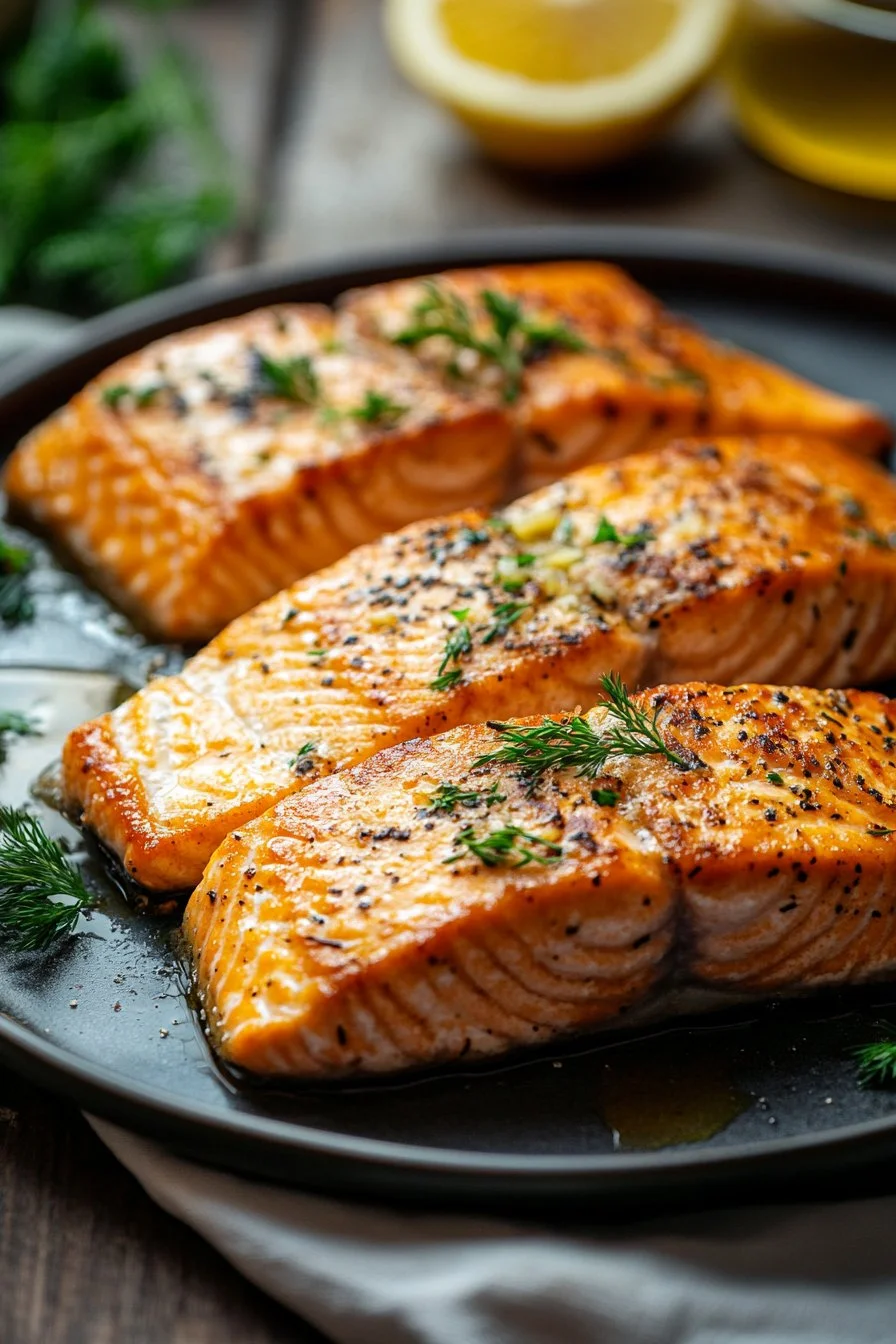
Mastering the technique of baking salmon can open up a world of culinary possibilities. The key lies in understanding how to retain moisture while achieving that desirable flaky texture. By following precise cooking times and ensuring proper seasoning, you’ll produce consistently perfect salmon.
Consider the thickness of your fillets when calculating the baking time. A general rule is to bake salmon for around 4-6 minutes per half-inch of thickness. This way, you avoid overcooking, which can lead to dryness. Use a meat thermometer to check for doneness; the internal temperature should reach 145°F (63°C).
To achieve a nice glaze, don’t be afraid to brush on the honey-soy sauce mixture generously. This ensures that every bite bursts with flavor. Midway through baking, if you desire a deeper color or caramelization, turn on the broiler for the last few minutes. Just watch closely to prevent burning; the difference can be striking!
Tips and Tricks
To elevate your baked salmon further, consider these helpful tips.
- If fresh herbs are available, sprinkle chopped dill or parsley over the salmon before serving. This adds brightness and flavor.
- For an extra layer of flavor, marinate the salmon in the glaze for about 30 minutes to an hour before baking.
- If you have leftovers, gently reheating the salmon in the oven will keep it tender, rather than using a microwave, which can turn the fish rubbery.
Another fun variation involves adding citrus. A squeeze of fresh lemon or orange juice before serving can bring a zesty dimension to the dish, enhancing its appeal. Experimenting with different twists can introduce excitement into your baked salmon repertoire.
Perfecting Baked Salmon Results
Perfecting your baked salmon recipe requires practice and patience. Always assess your cooking times, as they can vary depending on the thickness of the fillets and individual ovens. Making adjustments over time will lead to consistently excellent results.
One common concern is overcooking. If you overbake salmon, it becomes dry and unappetizing. To troubleshoot this, check the doneness a couple of minutes earlier, especially if you have thinner fillets. Salmon should still appear slightly translucent in the center when you pull it from the oven, as it continues to cook while resting.
Variations can also solve issues. If the glaze doesn’t perfectly balance out to your taste, adjust the soy sauce and honey ratios until it feels just right. Adding a pinch of black pepper can provide extra depth.
Troubleshooting and Variations
Don’t hesitate to explore different flavors while baking salmon. A dash of chili flakes can provide a delightful kick, while incorporating maple syrup instead of honey, creates a unique twist.
Thicker cuts of salmon may require longer baking times. Ensure you check the internal temperature regularly to avoid unexpected dryness. If this recipe does not suit your preference, consider adding alternative marinades or spices to suit your palate.
Experimentation allows you to discover what combinations resonate with your tastebuds. Try different seasonings or add a dash of sesame oil to the glaze for an Asian-inspired twist. These variations can breathe new life into your baking routine.
Serving Baked Salmon
Serving baked salmon offers numerous opportunities for creativity and enjoyment. Presentation can elevate your dish, enticing family and friends to gather around the table. A well-plated meal whets the appetite and sets the tone for a delightful dining experience.
Consider garnishing your baked salmon with fresh herbs or citrus slices for an eye-catching appearance. Pair the fish with colorful vegetables. Roasted asparagus, sautéed greens, or a vibrant salad complement the salmon beautifully.
Pairings and Storage
Many side dishes complement baked salmon nicely. Wild rice, quinoa, or a medley of roasted vegetables create a well-rounded meal. These pairings meld together harmoniously, enhancing the overall taste experience without overshadowing the star of the dish.
If you have leftovers, store them in an airtight container in the refrigerator for up to three days. Gently reheating the salmon in the oven or a non-stick pan allows you to preserve its texture while ensuring it remains appealing. Don’t be afraid to also use leftover salmon in salads or grain bowls for a satisfying lunch option.
Baked salmon opens the door to countless creations, making it a staple in any home kitchen. Its delightful, versatile nature keeps us coming back time and again.
Baked salmon transforms into an exquisite meal brimming with flavor and nutrition. Each bite reveals the harmonious balance of sweet and savory elements that defines this classic dish. Whether formal or casual, the spectacular taste will surely become a favorite in your household.
Print
Baked Salmon
- Prep Time: 10 minutes
- Cook Time: 20 minutes
- Total Time: 30 minutes
- Yield: 4 servings
- Category: Main Course
- Method: Baking
- Cuisine: American
- Diet: Pescatarian
Description
A delicious, easy-to-make baked salmon recipe with a honey-soy glaze that captivates with its vibrant flavors.
Ingredients
- 4 salmon fillets
- 1/4 cup honey
- 2 tablespoons soy sauce
- 1 tablespoon Dijon mustard
- 1 clove garlic, minced
Instructions
- Preheat the oven to 375°F (190°C).
- In a small bowl, mix honey, soy sauce, Dijon mustard, and minced garlic.
- Place salmon fillets on a baking sheet lined with parchment paper.
- Brush the glaze over the salmon.
- Bake for 15-20 minutes, or until salmon is cooked through.
- Serve immediately and enjoy your delicious baked salmon!
Notes
Consider marinating the salmon in the glaze for about 30 minutes before baking for an extra layer of flavor.
