
📑 Table of Contents ▶
Canned Salmon with Pasta
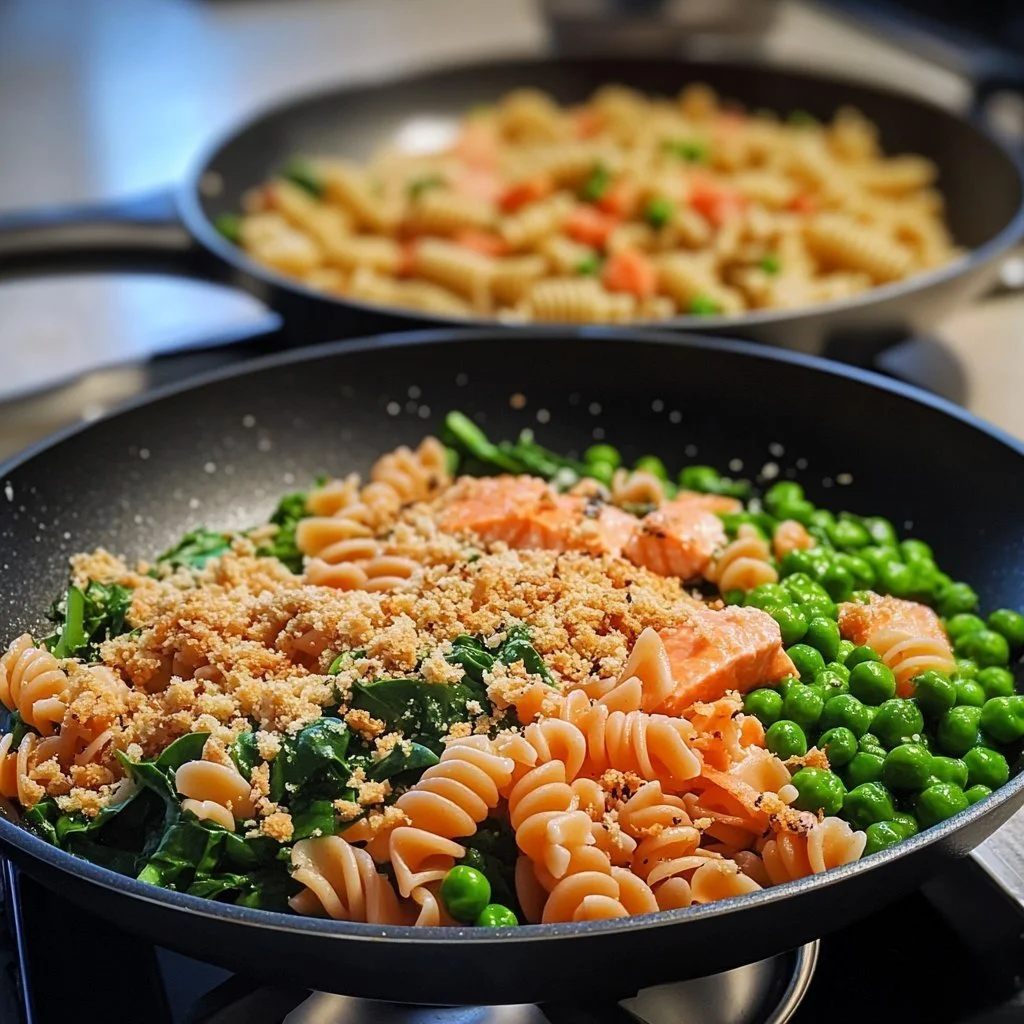
The combination of canned salmon with pasta can transform a simple meal into something extraordinary. Growing up, my family often turned to this delightful, easy dish on busy nights. The rich, savory flavors of the salmon, paired perfectly with al dente rigatoni, create a satisfying dinner that even the pickiest eaters can’t resist.
As I sauté garlic and baby spinach in olive oil, those familiar aromas transport me back to childhood evenings spent around the dinner table. Tossing in lemon zest and juice adds a bright note, while the plump peas and cheese infuse creaminess. This dish symbolizes comfort, ease, and the joy of bringing people together.
Making canned salmon with pasta is not just about the flavors; it’s also about creating cherished memories. Each bite tells a story, connecting those who gather around to enjoy it. The recipe’s simplicity means you can whip it up in no time, and your family will savor every mouthful.
Canned Salmon with Pasta Basics
Fundamentals
Creating canned salmon with pasta involves using simple yet fresh ingredients that work beautifully together. The star of the dish remains the canned salmon. Canned salmon packs a punch of flavor and a healthy dose of omega-3 fatty acids.
The rigatoni serves as the perfect vessel to capture the deliciousness of the sauce. Its ridges and tube shape hold onto the flavors, making each bite delightful. Don’t forget the vibrant green of baby spinach, the freshness of lemon, and earthy tones of basil which enhance the dish’s appeal.
Preparation/Setup
Preparation for this recipe is straightforward and quick. Start by gathering your ingredients. You’ll need 3 cups of rigatoni, 2 tablespoons of olive oil, 2 tablespoons of minced garlic, 312 grams of baby spinach, salt and pepper, 2 cans of skinless and boneless salmon, 1 lemon, 1 cup of frozen peas, and ¼ cup of grated parmesan cheese.
Once you assemble your components, you’ll wash and measure everything. Having your ingredients prepped and ready to go will streamline the cooking process and keep everything orderly in your kitchen.
Ingredients
- 3 cups rigatoni
- 2 tablespoons olive oil, divided
- 2 tablespoons minced garlic
- 312 grams baby spinach (11 ounces, 1 container)
- Salt and pepper (to taste)
- 2 cans salmon (skinless and boneless, no salt added, drained)
- 1 lemon (juiced and zested)
- 1 cup frozen peas
- ¼ cup grated Parmesan (or more)
- ¼ cup fresh basil (ribboned)
Directions
- Heat a skillet with 1 tablespoon of olive oil over medium heat. Add minced garlic and sauté until fragrant, about 1 minute.
- Add baby spinach to the skillet and sauté until wilted, about 2-3 minutes. Season with salt and pepper.
- Boil a large pot of salted water. Cook rigatoni until al dente, according to package instructions. Drain, reserving 1 cup of pasta water.
- In the skillet, combine cooked pasta, drained salmon, lemon zest, lemon juice, parmesan, and frozen peas. Add ½ cup reserved pasta water and remaining olive oil, tossing until well combined.
- Adjust consistency with more pasta water if necessary. Top with fresh basil and serve.
Advanced Techniques for Canned Salmon with Pasta
Technique
Mastering the cooking techniques for canned salmon with pasta takes your dish from good to great. The key lies in timing and the order of operations. Sautéing the garlic until fragrant creates a strong flavor base, while adding spinach ensures it wilts without losing its vibrant color.
Cooking the rigatoni to al dente provides the perfect texture, ensuring it holds up under the final mix. Tossing the cooked rigatoni with the salmon and vegetables in the skillet allows the flavors to meld together beautifully.
Tips/Tricks
For an extra layer of flavor, consider adding a pinch of red pepper flakes when sautéing the garlic. This subtle heat elevates the dish without overwhelming the other ingredients.
You can also experiment with the type of pasta you use. While rigatoni works exceptionally well, penne or even fusilli can yield fantastic results. Lastly, adjust the amount of lemon zest and juice to your personal preference; if you love citrus, don’t hold back!
Perfecting Your Canned Salmon Pasta
Perfecting Results
To achieve the best results, focus on the balance between the ingredients. The lemon brightens up the salmon’s richness, while the Parmesan adds a salty kick. Ensure you taste as you go, adjusting salt and pepper to enhance the flavors naturally.
Fresh basil adds a delightful herbaceous note that brightens the entire dish, so finish with a generous amount. For a creamier texture, incorporate more Parmesan during the final toss.
Troubleshooting Variations
Sometimes, dishes don’t turn out perfectly, and that’s okay. If your pasta seems too dry, slowly add the reserved pasta water to reach the desired consistency. If you prefer a lighter dish, consider reducing the quantity of olive oil or Parmesan.
Should you want to switch things up, feel free to include other vegetables like bell peppers or zucchini. Adding these can enhance nutrition and introduce exciting textures.
Serving and Storing Canned Salmon with Pasta
Serving/Presentation
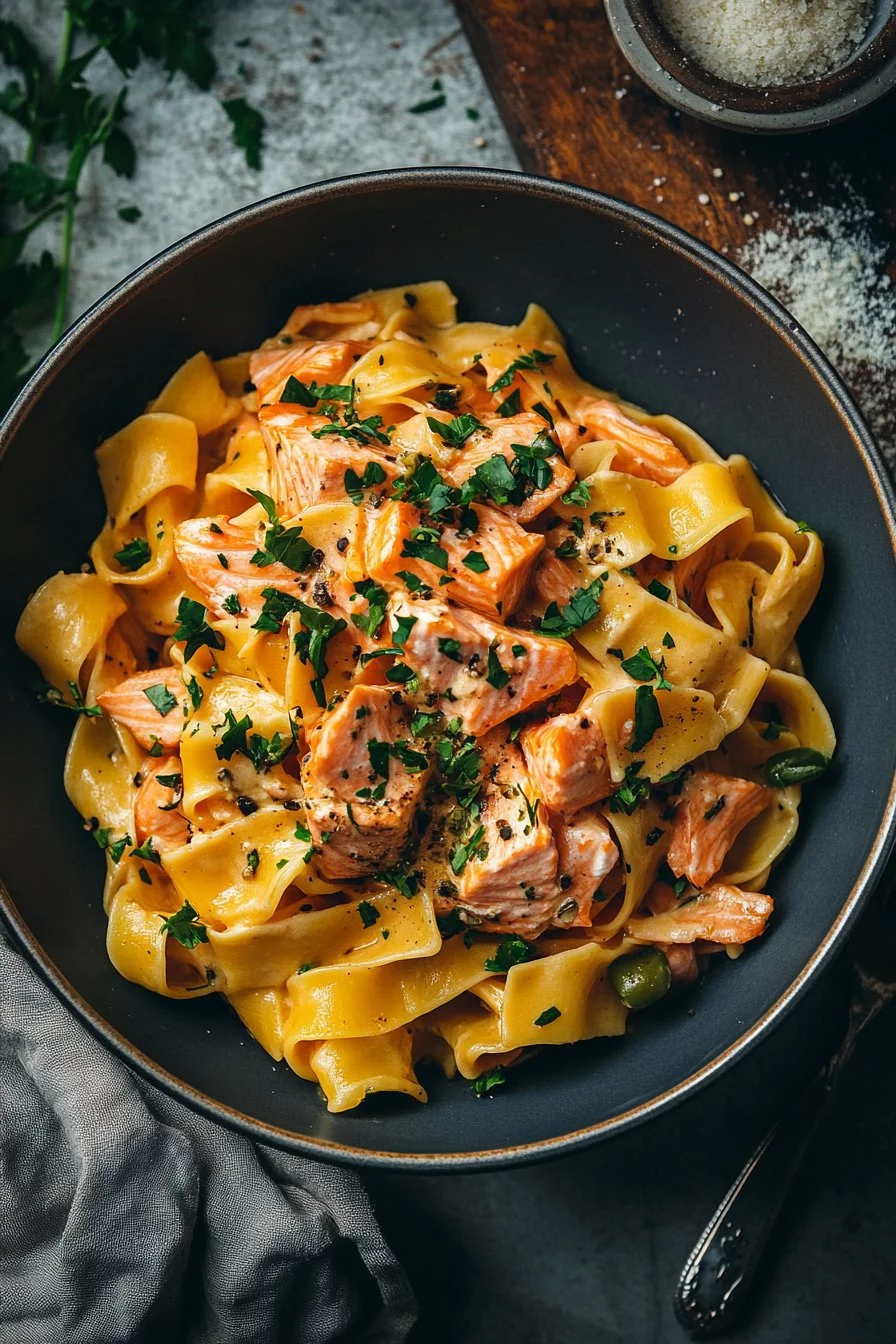
Serving canned salmon with pasta is all about presentation. Use a large, shallow bowl or plate, and pay attention to how you layer the ingredients. Start with a generous serving of rigatoni, followed by the salmon and vegetable mixture.
Sprinkle the dish with extra Parmesan and fresh basil ribbons to elevate its visual appeal. Consider adding a lemon wedge on the side for an extra pop of color and freshness.
Pairings/Storage
While this dish shines on its own, excellent pairings include a light salad or crusty bread to soak up the flavorful sauce. If you have leftovers, store them in an airtight container in the refrigerator.
Leftover canned salmon with pasta can last for up to three days in the fridge. Gently reheat in a skillet over medium heat, adding a splash of water to prevent it from drying out.
Creating canned salmon with pasta is not only simple but deeply rewarding. Enjoy the process, and remember—cooking is about experimenting and finding flavors that delight you and those you share your table with. Embrace the joy of making this dish part of your family’s dining traditions.
Print
Canned Salmon with Pasta
- Prep Time: 15 minutes
- Cook Time: 15 minutes
- Total Time: 30 minutes
- Yield: 4 servings
- Category: Main Course
- Method: Sautéing and Boiling
- Cuisine: Italian
- Diet: Pescatarian
Description
A delightful and easy dish featuring canned salmon and rigatoni, sautéed with garlic, baby spinach, and fresh lemon. A perfect combination of flavors that brings comfort and joy.
Ingredients
- 3 cups rigatoni
- 2 tablespoons olive oil, divided
- 2 tablespoons minced garlic
- 312 grams baby spinach (11 ounces, 1 container)
- Salt and pepper (to taste)
- 2 cans salmon (skinless and boneless, no salt added, drained)
- 1 lemon (juiced and zested)
- 1 cup frozen peas
- ¼ cup grated Parmesan (or more)
- ¼ cup fresh basil (ribboned)
Instructions
- Heat a skillet with 1 tablespoon of olive oil over medium heat. Add minced garlic and sauté until fragrant, about 1 minute.
- Add baby spinach to the skillet and sauté until wilted, about 2-3 minutes. Season with salt and pepper.
- Boil a large pot of salted water. Cook rigatoni until al dente, according to package instructions. Drain, reserving 1 cup of pasta water.
- In the skillet, combine cooked pasta, drained salmon, lemon zest, lemon juice, parmesan, and frozen peas. Add ½ cup reserved pasta water and remaining olive oil, tossing until well combined.
- Adjust consistency with more pasta water if necessary. Top with fresh basil and serve.
Notes
For an extra layer of flavor, consider adding a pinch of red pepper flakes when sautéing the garlic.
