
📑 Table of Contents ▶
Lemon Butter Scallops
Seafood always brings back memories of sun-soaked afternoons at the coast. I recall my childhood visits to seaside shacks where the fresh catch would sizzle on the grill, filling the air with mouthwatering aromas. Among those treasured meals, lemon butter scallops stood out, with their delicate texture and vibrant flavor.
I became fascinated with how simple ingredients could transform a dish into something truly special. The union of fresh scallops, creamy butter, and zesty lemon creates a delightful symphony that is both satisfying and indulgent. This dish serves as a reminder that gourmet cooking doesn’t have to be complicated or daunting. In just a few steps, you can bring the flavors of the sea to your kitchen.
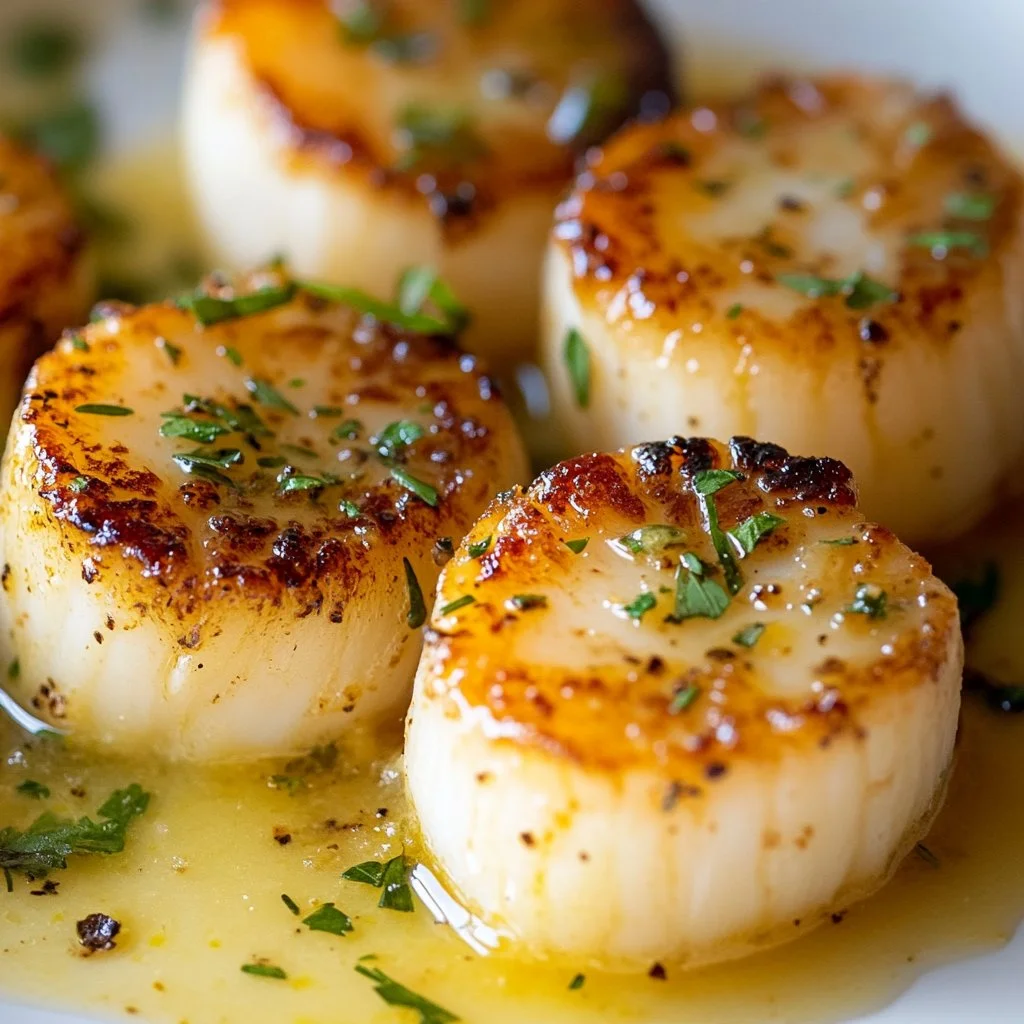
This lemon butter scallops recipe captures that essence beautifully. Each tender scallop drapes in rich, buttery sauce infused with garlicky goodness and a hint of heat from red pepper flakes. The bright notes of lemon and freshness from parsley elevate the dish to a new level. Whether you’re preparing an intimate dinner or a festive gathering, lemon butter scallops are sure to impress and satisfy.
Lemon Butter Scallops
Fundamentals
Lemon butter scallops hinge on a few fundamental techniques that set the stage for a truly memorable meal. The scallops’ freshness plays a crucial role. Always opt for high-quality sea scallops—thawed and ready for cooking. When selecting scallops, look for smooth, moist surfaces that glisten; avoid any fishy odor, as this can signify age or spoilage.
Cooking scallops involves a few key steps. Pat them dry thoroughly to ensure a nice sear. When moisture lingers on the surface, it affects browning and prevents that coveted caramelization. Proper seasoning creates depth and enhances natural flavors, so sprinkle salt and fresh ground pepper liberally before cooking.
Heat management is vital when creating perfection. A hot pan makes all the difference. Preheating your skillet allow for immediate browning but take care not to overcrowd; cooking in batches maintains an even temperature, producing beautifully seared scallops.
Preparation/setup
Start by gathering all necessary tools and ingredients before diving in. For this recipe, you will need a large skillet, a spatula, and a paper towel for drying the scallops. Set the stage by ensuring everything is within reach, including freshly minced garlic, lemon juice, and parsley.
Once your workspace is ready, take the time to dry the scallops thoroughly. Use a paper towel to pat each one gently. This step may seem minor, but it directly influences the texture. Adequately dried scallops lead to a beautifully caramelized exterior that contrasts nicely with their tender interior.
Afterward, seasoning takes center stage. Dust both sides of each scallop lightly with salt and pepper, creating a flavorful backdrop for the cooking process. Equally important is the oil; preheating the skillet to medium-high and adding one tablespoon of olive oil sets the stage for a delightful cooking experience.
Ingredients
To whip up this dish, gather:
- 2 pounds sea scallops (thawed)
- 2 tablespoons olive oil
- 4 tablespoons butter
- 4 garlic cloves (minced)
- 2 tablespoons fresh lemon juice
- 2 tablespoons minced parsley
- Pinch of red pepper flakes
- Salt
- Fresh ground pepper
Directions
- Pat the scallops dry with a paper towel and season them generously with salt and pepper on both sides.
- Heat a pan over medium-high heat and add one tablespoon of olive oil.
- Once the oil shimmers, add the scallops in a single layer, ensuring not to overcrowd the pan. Cook on one side for 60–90 seconds until they turn a golden brown.
- Flip each scallop and cook for another 60–90 seconds on the other side. Once done, carefully remove the scallops from the pan and set them aside on a plate.
- Lower the heat to low and add butter, minced garlic, and lemon juice to the same pan. Stir together, scraping up the brown bits on the bottom, and cook for 1–2 minutes until fragrant.
- Stir in the red pepper flakes and chopped parsley, then remove from heat.
- Drizzle the lemon butter sauce over the scallops and serve immediately.
Cooking with Scallops
Technique
Cooking scallops perfectly requires attention to detail and technique. When it comes to timing, remember that these delicate proteins cook quickly. Overcooking can ruin their softness, leading to a rubbery texture. The goal is to achieve a perfect sear and maintain that tender quality.
A cast-iron skillet or non-stick pan works well to attain an even heat distribution. The oil should shimmer ever so slightly before you introduce the scallops to the hot surface. Always aim to hear a satisfying sizzle when they first touch the pan; that’s the sign you’ve reached the right temperature.
After cooking your scallops, ensure you let them rest for just a moment before serving. This brief pause garners the needed juices, ensuring they stay succulent and palatable.
Tips/tricks
Here are some handy tips to ensure you create the best lemon butter scallops:
- Fresh scallops yield the best flavor. If possible, shop for them at your local fish market; they should smell like the ocean, not fishy.
- Experiment with the lemon juice. For a twist, add a little zest from the lemon peel to your sauce for an extra burst of citrus flavor.
- If you desire more spice, increase the amount of red pepper flakes to suit your taste.
- Use a separate plate to remove the scallops rather than placing them back into the pan. Retaining their heat is paramount, but keeping the pan clear allows for a fresh start when adding the sauce.
Elevating the Experience
Perfecting results
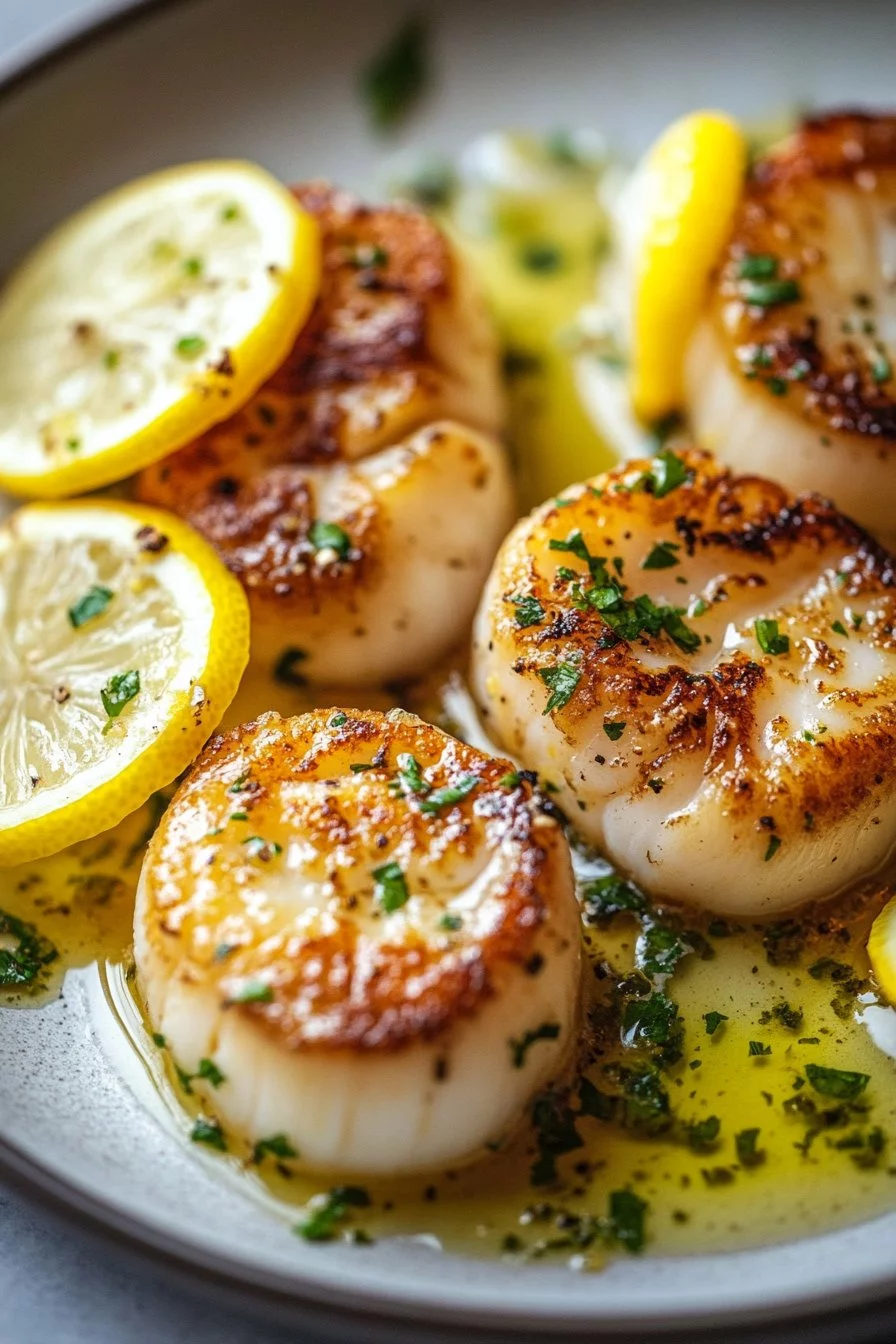
Master the art of perfect sear on your scallops by adhering to the principles of high heat and moisture control. An ideal sear should produce a mouthwatering crust while ensuring the inside remains tender. Most importantly, refrain from moving them around in the pan; let them develop that lovely crust before flipping.
Timing is another crucial element. Aim for a cooking duration of 60–90 seconds per side, but depend on the thickness of your scallops as they can vary. The scallops should be opaque and firm yet slightly springy when finished.
Troubleshooting/variations
Should you ever find yourself with undercooked scallops, simply return them to the pan for an extra minute or so. For those who prefer an even richer flavor, consider adding a splash of cream to the butter and lemon sauce to create a creamy variation.
If you happen to overcook your scallops, while it’s difficult to reclaim their tenderness, consider slicing them into smaller pieces and tossing them into a pasta dish or salad. This way, you can salvage them as an ingredient rather than the star of the show.
Serving Lemon Butter Scallops
Presentation
Serving lemon butter scallops can enhance the dining experience significantly. Place the scallops gently on the plate and drizzle them generously with the garlic lemon sauce. A sprinkle of fresh parsley upon serving introduces a pop of color and a hint of fresh flavor.
For an elegant touch, serve your scallops atop a bed of fluffy couscous, rice, or even a light salad. The vibrant colors from the dish help elevate the presentation, making it as attractive as it is delicious.
Pairings/storage
While lemon butter scallops shine as the main dish, they pair beautifully with a variety of accompaniments. A simple green salad with vinaigrette complements the richness of the scallops while balancing the palette. For a heartier option, serve alongside roasted asparagus or sautéed spinach, which can add an earthy contrast.
Should you have any leftovers, store them in an airtight container in the refrigerator for up to two days. Reheat gently to avoid drying them out—quick bursts in the microwave or a quick sauté on low heat can both work wonders.
Lemon butter scallops serve as a beautiful reminder that great dining can happen at home without complex recipes or hours of preparation. With a few quality ingredients and careful attention in the kitchen, you can create an impressive seafood dish that embodies the essence of coastal cuisine. Enjoy the burst of flavor each bite offers, and relish the satisfaction that comes from mastering this delightful recipe.
Print
Lemon Butter Scallops
- Prep Time: 15 minutes
- Cook Time: 10 minutes
- Total Time: 25 minutes
- Yield: 4 servings
- Category: Main Course
- Method: Searing
- Cuisine: Seafood
- Diet: Paleo
Description
A delightful seafood dish featuring tender scallops draped in a rich lemon butter sauce with garlic and a hint of spice.
Ingredients
- 2 pounds sea scallops (thawed)
- 2 tablespoons olive oil
- 4 tablespoons butter
- 4 garlic cloves (minced)
- 2 tablespoons fresh lemon juice
- 2 tablespoons minced parsley
- Pinch of red pepper flakes
- Salt
- Fresh ground pepper
Instructions
- Pat the scallops dry with a paper towel and season them generously with salt and pepper on both sides.
- Heat a pan over medium-high heat and add one tablespoon of olive oil.
- Once the oil shimmers, add the scallops in a single layer, ensuring not to overcrowd the pan. Cook on one side for 60–90 seconds until they turn a golden brown.
- Flip each scallop and cook for another 60–90 seconds on the other side. Once done, carefully remove the scallops from the pan and set them aside on a plate.
- Lower the heat to low and add butter, minced garlic, and lemon juice to the same pan. Stir together, scraping up the brown bits on the bottom, and cook for 1–2 minutes until fragrant.
- Stir in the red pepper flakes and chopped parsley, then remove from heat.
- Drizzle the lemon butter sauce over the scallops and serve immediately.
Notes
For best results, use fresh scallops and avoid overcrowding the pan. Experiment with lemon zest for extra flavor.
