
📑 Table of Contents ▶
The Basics of Cooking
Cooking has always been a source of joy and discovery. I remember the first time I tackled a chicken recipe on my own. Armed with a few simple ingredients and an eagerness to learn, I created a dish that delighted my family. The satisfaction I felt when they gathered around the table, laughing and enjoying the meal, ignited my passion for cooking.
The basics of cooking represent more than just a series of tasks; they define an experience. With every sauté and simmer, the kitchen transforms into a sanctuary. I take pride in knowing that mastering these fundamentals opens the door to innovative and flavorful meals. From understanding techniques to selecting the right ingredients, the art of cooking always offers new opportunities for creativity.
Whether it’s the thrill of searing meat or the delicate balance of spices, mastering the basics can elevate your culinary skills. Every successful dish starts with a solid foundation. As you develop in the kitchen, exploring flavors and textures builds confidence and transforms ordinary ingredients into extraordinary meals.
Understanding the Basics of Cooking
Fundamentals
The basics of cooking involve key techniques that every home cook should master. Understanding how to properly heat a pan, sauté vegetables, or season meat lays the groundwork for delicious dishes. Each of these skills contributes to the overall outcome of the meal.
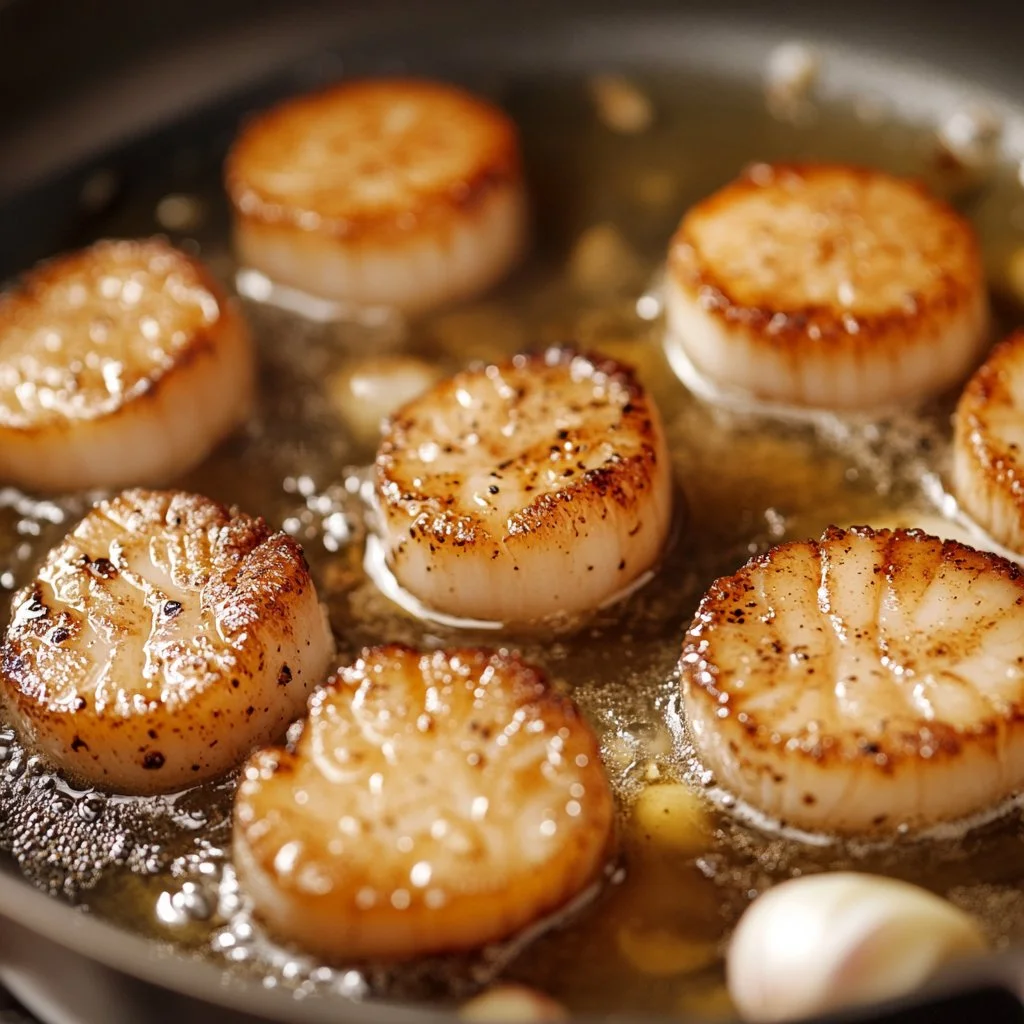
Begin with heat control. Knowing when to raise or lower the temperature can drastically affect cooking times and flavors. For example, high heat sears proteins beautifully, creating that beautiful crust while locking in juices. Conversely, lower heat slows down the cooking process, ensuring even doneness without burning.
Knives are your best friends in the kitchen. Learning how to handle a knife safely and effectively will boost your cooking efficiency. Practice different cutting techniques such as julienne, dice, and mince. Each style lends itself to different recipes, allowing for versatility in preparation.
Preparation/setup
Preparation is crucial in the cooking process. Laying everything out before you start cooking simplifies the experience and ensures that you don’t overlook any steps. Gather your ingredients and tools, making sure to wash and prep them as needed.
Mis en place, a French term meaning "everything in its place,” emphasizes the importance of organization in cooking. Measure out your spices, chop your vegetables, and have your instruments ready to go. A clutter-free workspace keeps you focused and enhances your creativity as you navigate through recipes.
Once everything is prepped, focus on timing. Understanding how long different ingredients take to cook helps you coordinate the cooking times effectively. Start with items that require longer cooking times, allowing you to incorporate faster-cooking additions seamlessly.
Ingredients
Choosing quality ingredients sets the stage for successful meals. Fresh produce, high-quality meats, and aromatic herbs create a symphony of flavors that elevate any dish. Whenever possible, buy seasonal and local items for the best taste.
When selecting meats, choose cuts that suit your cooking method. For instance, roasting calls for different cuts than grilling. The same goes for vegetables. Some varieties lend themselves beautifully to roasting, while others shine when sautéed or steamed.
Plan your seasonings thoughtfully. A combination of herbs and spices can transform basic ingredients into something extraordinary. Don’t hesitate to experiment, but remember: a little goes a long way. Start with small amounts, tasting as you go, and adjust according to your preferences.
Directions
Follow a well-structured recipe for best results. Each recipe serves as a guide, detailing steps from beginning to end. Start with heating your pan, then proceed to add your ingredients in the order outlined. This methodical approach allows flavors to meld properly.
Acquaint yourself with cooking times. Check doneness by using visual cues, textures, and temperatures. For meats, using a reliable thermometer ensures safety and avoids overcooking. For vegetables, al dente typically results in a more vibrant texture and flavor.
Don’t forget about plating. A well-presented dish can enhance the overall experience. Taking the time to arrange food thoughtfully adds an element of joy and sophistication to your meals. Enjoy the process as much as the end result.
Essential Cooking Techniques
Technique
Mastering cooking techniques takes practice and patience. Begin with the basic methods of cooking: boiling, steaming, sautéing, roasting, and grilling. Each method suits different types of food and desired outcomes.
Boiling and steaming tenderize food, making them excellent choices for vegetables. Both methods preserve nutrients better, ensuring a healthy meal. While boiling involves submerging food in water, steaming uses a basket or rack to cook food above boiling water, creating a light, delicate texture.
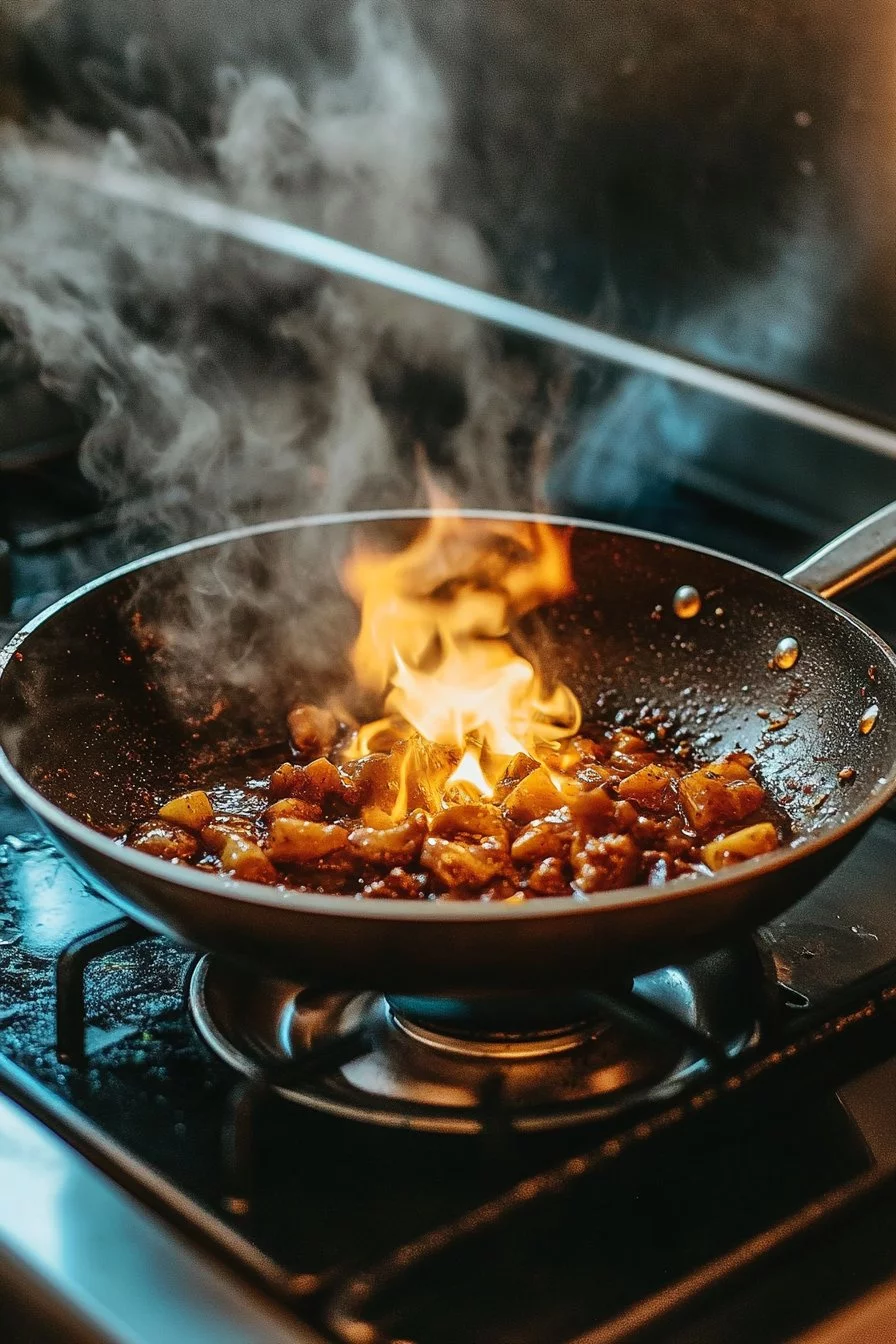
Sautéing allows for more flavor to develop by browning the ingredients. This technique works well for proteins and vegetables alike, as the high direct heat enhances natural sugars and flavors. Don’t overcrowd the pan to achieve a perfect golden sear.
Roasting provides a hearty, comforting flavor, especially for meats and root vegetables. The dry heat allows for caramelization, while grilling adds a smoky flavor. You can use spices, marinades, or rubs to complement the natural flavors, enhancing the dish.
Tips/tricks
Develop a repertoire of cooking tips to streamline your experience. One of the best hacks for enhancing flavors involves layering seasonings throughout the cooking process. Start with a base layer, and add more toward the end to maintain freshness.
Keep a few essential kitchen tools handy: sharp knives, a reliable cutting board, and well-seasoned cookware. Quality cookware conducts heat evenly, minimizing the risk of burning.
Don’t rush the cooking process. Allow dishes to simmer and meld, as patience often results in richer flavors. Similarly, allow roasted meats to rest before slicing, locking in juices and keeping every bite tender.
Lastly, engage your senses. Smell the spices, observe the cooking process, and taste continually. This sensory approach not only enhances your skills but deepens your appreciation for the art of cooking.
Perfecting Your Cooking Results
Perfecting results
As you embark on your cooking journey, focus on perfecting results through practice and observation. Experimenting with different cooking times, temperatures, and methods will sharpen your instincts in the kitchen.
One key to success lies in understanding the science of cooking. For example, knowing why certain vegetables caramelize at higher temperatures helps you achieve beautifully roasted results. Similarly, understanding how acid can brighten dishes ensures balanced flavors.
Consider plating as an essential part of perfecting your results. A well-arranged dish can elevate a simple recipe to new heights. Use colors, textures, and garnishes to enhance the visual appeal.
Transform your mistakes into learning opportunities. Each dish presents a chance to refine your skills, understand flavors, and build confidence in your craft. Embrace experimentation and learn to love the unpredictable nature of cooking.
Troubleshooting/variations
Every cook encounters challenges in the kitchen. Understanding how to troubleshoot common issues will keep you moving forward. If a dish turns out too salty, balance with sugar or dilute with additional ingredients.
Adjust cooking times according to your stove and equipment. Ovens vary in temperature, so keep an eye on your dishes to avoid burning or undercooking. Familiarize yourself with your kitchen gear’s quirks.
Always explore variations to traditional recipes. Substitute different proteins, vegetables, or grains to create fresh versions of classic dishes. This exploration inspires creativity and keeps your meal rotation exciting.
If a dish doesn’t meet expectations, don’t worry. It happens to everyone. Use it as a moment to consider how adjustments can improve the next attempt.
Serving and Storing Your Creations
Serving/presentation
Serving your culinary creations can be as important as cooking. Consider using attractive plating techniques to highlight your dishes. For starters, use contrasting colors, shapes, and heights for an engaging presentation.
Garnishing adds an elegant touch. Fresh herbs, citrus zest, or a sprinkle of spices elevate any dish visually and in flavor. Don’t underestimate the power of a clean plate; wipe away spills and smudges for a polished look.
Directly communicate the flavors by presenting dishes that suggest their ingredients. For example, serve roasted vegetables on a wooden board for a rustic feel, or arrange grilled meats with fresh herbs and citrus on a platter.
Encourage your guests to dig in with enthusiasm. Savoring each bite together enhances the overall experience and connection.
Pairings/storage
When considering food pairings, think of contrasting flavors and textures. A juicy chicken dish pairs well with zesty sides like a citrusy salad or creamy mashed potatoes. Consider incorporating diverse flavors to create a balanced meal.
Storing leftovers properly is essential for maintaining quality. Cool dishes before storing them in airtight containers. Most cooked meals last 3-4 days in the fridge. Freezing portions extends freshness considerably, allowing for quick meals later.
Revitalize leftovers by reheating them slowly. Adding a splash of broth or a drizzle of olive oil can help rejuvenate dried-out foods. Experiment with new preparations, turning yesterday’s dish into a vibrant new meal.
Embrace the journey of learning and experimenting in the kitchen. The basics of cooking empower you to create comfort, connect with loved ones, and indulge your passion for flavors.
The Basics of Cooking
- Prep Time: 20 minutes
- Cook Time: 30 minutes
- Total Time: 50 minutes
- Yield: 4 servings
- Category: Cooking Basics
- Method: Various
- Cuisine: General
- Diet: All
Description
Explore the essential techniques and principles that form the foundation of cooking, empowering you to create flavorful meals with confidence.
Ingredients
- Quality fresh produce
- High-quality meats
- Aromatic herbs
- Spices
- Seasonal food items
Instructions
- Begin with heat control for optimal cooking times and flavors.
- Prepare your workspace by organizing all ingredients and tools.
- Use the mis en place method to ensure smooth cooking.
- Balance cooking times by starting with items needing longer cooking.
- Utilize boiling, steaming, sautéing, roasting, and grilling techniques effectively.
- Plate your dish thoughtfully to enhance the dining experience.
- Engage your senses throughout the cooking process for better results.
- Store leftovers properly to maintain quality and create new meals.
Notes
Patience and practice are key to mastering cooking techniques. Use mistakes as learning opportunities.
