
📑 Table of Contents ▶
Baked Salmon with Citrus Glaze
The aroma of the ocean often lingers in memories of childhood, where fishing trips with family inspired a love for seafood. One of my fondest recollections is baking fresh salmon, the star of the show—especially when topped with a bright citrus glaze. This dish not only highlights the fish’s natural flavor but also adds a delightful sweetness and tang.
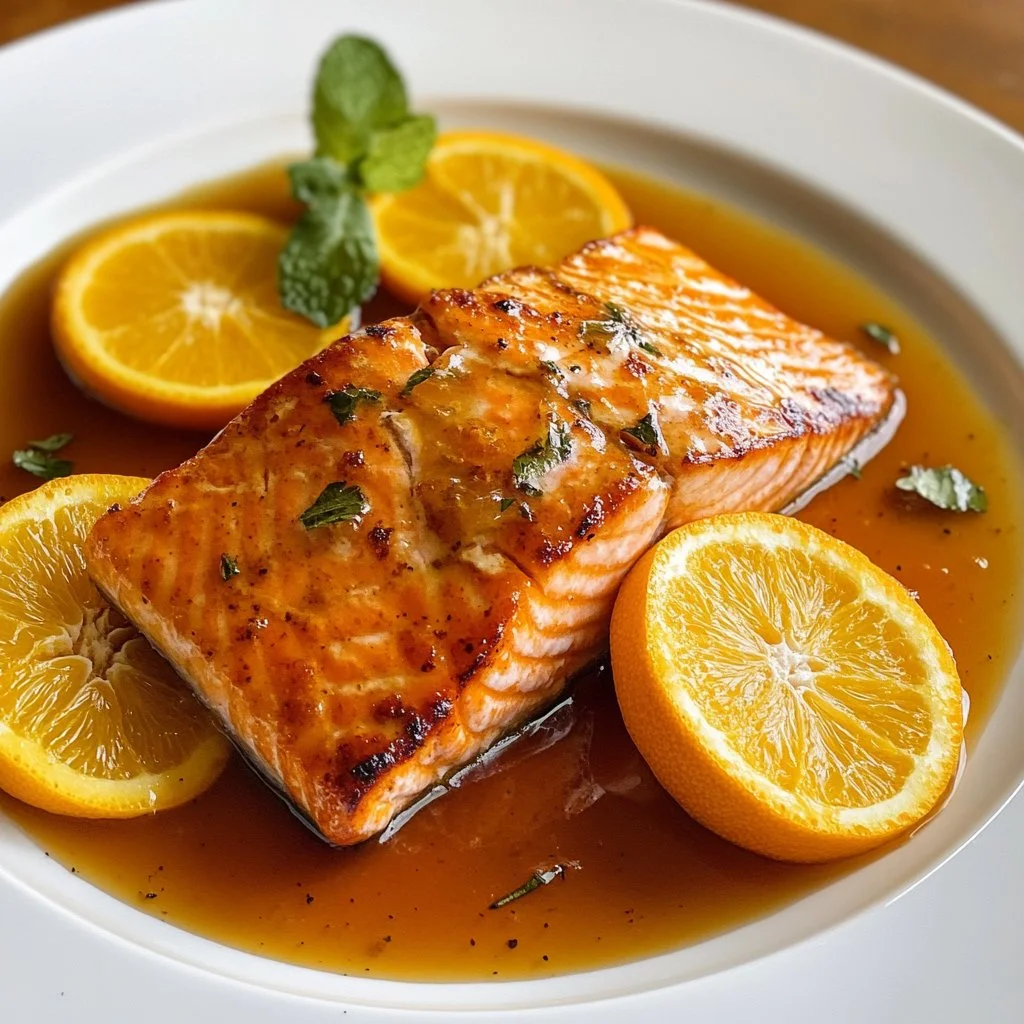
Baked salmon with citrus glaze encapsulates simplicity and flavor. The combination of fresh orange and lemon juices creates a vibrant sauce that beautifully caramelizes while baking. Just imagine pulling a perfectly cooked fillet from the oven, the glaze shimmering with all those citrus notes. It feels like a celebration, whether you’re enjoying a weeknight dinner or hosting friends.
Using just a few quality ingredients, you can have a dish that feels special yet requires minimal fuss. Let’s dive into the world of baked salmon with citrus glaze, where each bite transports you closer to the sea.
Baked Salmon Essentials
Fundamentals
Baked salmon stands tall as a favorite seafood dish for many. Its tender texture and rich flavor make it a natural choice for gatherings and cozy dinners alike. Salmon offers not only delicious taste but also health benefits, as it is packed with omega-3 fatty acids, which are essential for heart health.
When preparing baked salmon, freshness is key. The type of salmon you choose, whether skin-on or skinless, impacts the overall cooking experience and flavor. Skin-on fillets give an extra layer of richness, while skinless cuts allow the glaze to shine through on all sides.
Preparation/setup
Start by prepping your kitchen for a delightful cooking experience. Preheat your oven to 400°F (200°C), and line a baking sheet with parchment paper or aluminum foil for easy cleanup. If you opt for foil, be sure to lightly grease it to prevent sticking.
It’s essential to pat the salmon fillets dry with paper towels. This step ensures a crispy exterior, enhances the flavor, and helps the glaze adhere better. Place the salmon on the prepared baking sheet with the skin-side down, if applicable.
Ingredients
To prepare baked salmon with citrus glaze, gather the following ingredients:
- Salmon Fillets: 4 skin-on or skinless fillets, about 6 ounces each.
- Olive Oil: 1 tablespoon for coating.
- Salt: ½ teaspoon, adjust according to taste.
- Black Pepper: ¼ teaspoon for added seasoning.
For the fatally delicious citrus glaze, you will need:
- Fresh Orange Juice: ½ cup, ideally from 1-2 large oranges.
- Fresh Lemon Juice: 2 tablespoons, from about 1 lemon.
- Honey: 3 tablespoons for sweetness.
- Soy Sauce: 2 tablespoons (low sodium suggested).
- Dijon Mustard: 1 tablespoon.
- Garlic: 2 cloves, minced.
- Fresh Ginger: 1 teaspoon, grated.
- Orange Zest: 1 teaspoon, from one orange.
- Cornstarch: 1 teaspoon mixed with 1 tablespoon cold water (optional for thickness).
- Fresh Parsley or Chives: Chopped, for garnish.
Directions
- Preheat your oven to 400°F (200°C). Line a baking sheet with parchment paper or aluminum foil, lightly greasing it if using foil.
- Pat the salmon fillets dry. Place them on the baking sheet, skin-side down if applicable.
- Drizzle the salmon with olive oil and season with salt and black pepper.
- Make the citrus glaze by combining fresh orange juice, fresh lemon juice, honey, soy sauce, Dijon mustard, minced garlic, and grated ginger in a small saucepan. Whisk until combined.
- Bring the mixture to a gentle simmer over medium heat. Let it simmer for 5-7 minutes, stirring occasionally, until it thickens slightly. Add in the cornstarch slurry if you prefer a thicker glaze, cooking until desired consistency is reached. Stir in the orange zest.
- Spoon or brush half of the citrus glaze over the salmon fillets. Reserve the remaining glaze for later.
- Bake the salmon for 12-18 minutes, depending on thickness. Aim for an internal temperature of 130-135°F (54-57°C) for medium doneness. For well-done, target 140-145°F (60-63°C), being cautious to avoid dryness.
- For a caramelized top, drizzle some reserved glaze over the salmon in the last few minutes of baking or switch to broil for an additional minute or two.
- Once cooked, allow the salmon to rest for 3-5 minutes before serving. Drizzle with any remaining glaze and garnish with fresh parsley or chives, if desired.
Perfecting Baked Salmon with Citrus Glaze
Technique
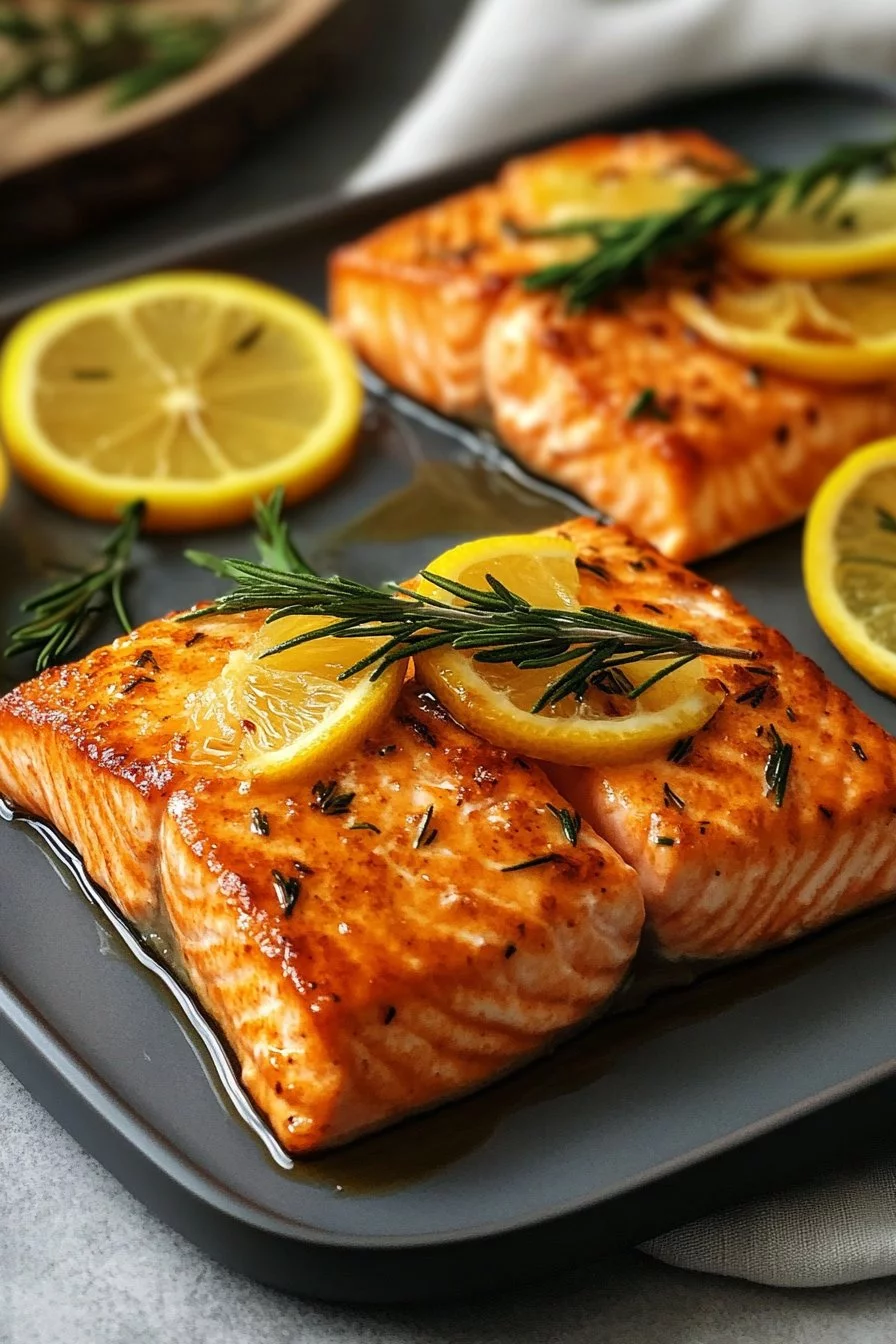
Baking salmon with a citrus glaze allows for great versatility in cooking techniques. For optimum results, always ensure the glaze reaches various surfaces of the fish. This enhances flavor and visual appeal.
Monitoring the cooking time closely proves essential for achieving tender, flaky salmon. Use a fork to test for doneness—salmon should flake easily when it’s perfectly cooked. Keeping the fish moist also allows for a richer flavor profile, making every bite a delightful experience.
Tips/tricks
- To elevate your dish, consider adding fresh herbs such as dill or thyme into the citrus glaze for added depth.
- Use a meat thermometer for precise cooking results. Overcooking salmon can quickly lead to dryness.
- Test different sweeteners like maple syrup if you want to switch things up with the glaze.
Variations of Baked Salmon with Citrus Glaze
Perfecting Results
Achieving the perfect baked salmon with citrus glaze often relies on adjusting your cooking time based on thickness. Keep an eye on the salmon as thickness increases cooking time. For the best outcome, aim for even cooking across fillets.
Additionally, ensuring even seasoning is crucial. You might choose to marinate the salmon for 30 minutes before baking for even deeper flavor. This can enhance moisture retention during cooking as well.
Troubleshooting/variations
If you find that the glaze is not thickening as expected, continue simmering for another minute or two. If all else fails, a cornstarch slurry can save the day. If the glaze is too sweet, balance it with extra lemon juice for acidity.
Consider variations for the glaze based on seasonal fruits. Seasonal flavors such as grapefruit or lime can add a fun twist. Experiment and make it your own to discover exciting combinations.
Serving Baked Salmon with Citrus Glaze
Serving/presentation
When plating baked salmon with citrus glaze, presentation matters. Arrange the salmon fillets on a beautifully arranged plate, drizzling any remaining glaze over the top for a stunning visual effect.
Garnishing with fresh herbs—like parsley or chives—not only adds color but elevates the dish’s wellbeing aspect. Pair with roasted vegetables or a light salad for a complete meal.
Pairings/storage
Baked salmon with citrus glaze pairs wonderfully with grains like quinoa or brown rice, offering a hearty yet healthy side. You can also complement it with a mixed greens salad dressed in a light vinaigrette.
For storage, place leftover salmon in an airtight container in the refrigerator. Salmon generally stays fresh for up to 3 days. Gently reheat in the oven or skillet, adding a splash of water or extra citrus juice to keep it moist.
This dish thrives on simplicity while delivering exceptional flavors that will leave everyone at the table smiling.
Print
Baked Salmon with Citrus Glaze
- Prep Time: 15 minutes
- Cook Time: 18 minutes
- Total Time: 33 minutes
- Yield: 4 servings
- Category: Main Course
- Method: Baking
- Cuisine: Seafood
- Diet: Gluten-Free
Description
A delicious baked salmon topped with a bright citrus glaze, combining fresh orange and lemon juices for a delightful sweetness and tang.
Ingredients
- 4 salmon fillets (about 6 ounces each, skin-on or skinless)
- 1 tablespoon olive oil
- ½ teaspoon salt
- ¼ teaspoon black pepper
- ½ cup fresh orange juice
- 2 tablespoons fresh lemon juice
- 3 tablespoons honey
- 2 tablespoons soy sauce (low sodium suggested)
- 1 tablespoon Dijon mustard
- 2 cloves garlic, minced
- 1 teaspoon fresh ginger, grated
- 1 teaspoon orange zest
- 1 teaspoon cornstarch mixed with 1 tablespoon cold water (optional)
- Fresh parsley or chives, chopped (for garnish)
Instructions
- Preheat oven to 400°F (200°C) and line a baking sheet with parchment paper or aluminum foil.
- Pat salmon fillets dry and place on the baking sheet, skin-side down if applicable.
- Drizzle with olive oil and season with salt and black pepper.
- In a saucepan, combine orange juice, lemon juice, honey, soy sauce, Dijon mustard, garlic, and ginger; whisk until combined.
- Simmer the mixture over medium heat for 5-7 minutes until slightly thickened; add cornstarch slurry if desired.
- Stir in orange zest and brush half of the glaze over the salmon. Reserve the remaining glaze.
- Bake salmon for 12-18 minutes until it reaches an internal temperature of 130-135°F (54-57°C) for medium doneness.
- In the last few minutes of baking, drizzle some reserved glaze over the salmon or switch to broil for a caramelized top.
- Once cooked, let the salmon rest for 3-5 minutes before serving, drizzling with remaining glaze and garnishing with parsley or chives.
Notes
For added flavor, consider marinating the salmon for 30 minutes. Use a meat thermometer for precise cooking.
