
📑 Table of Contents ▶
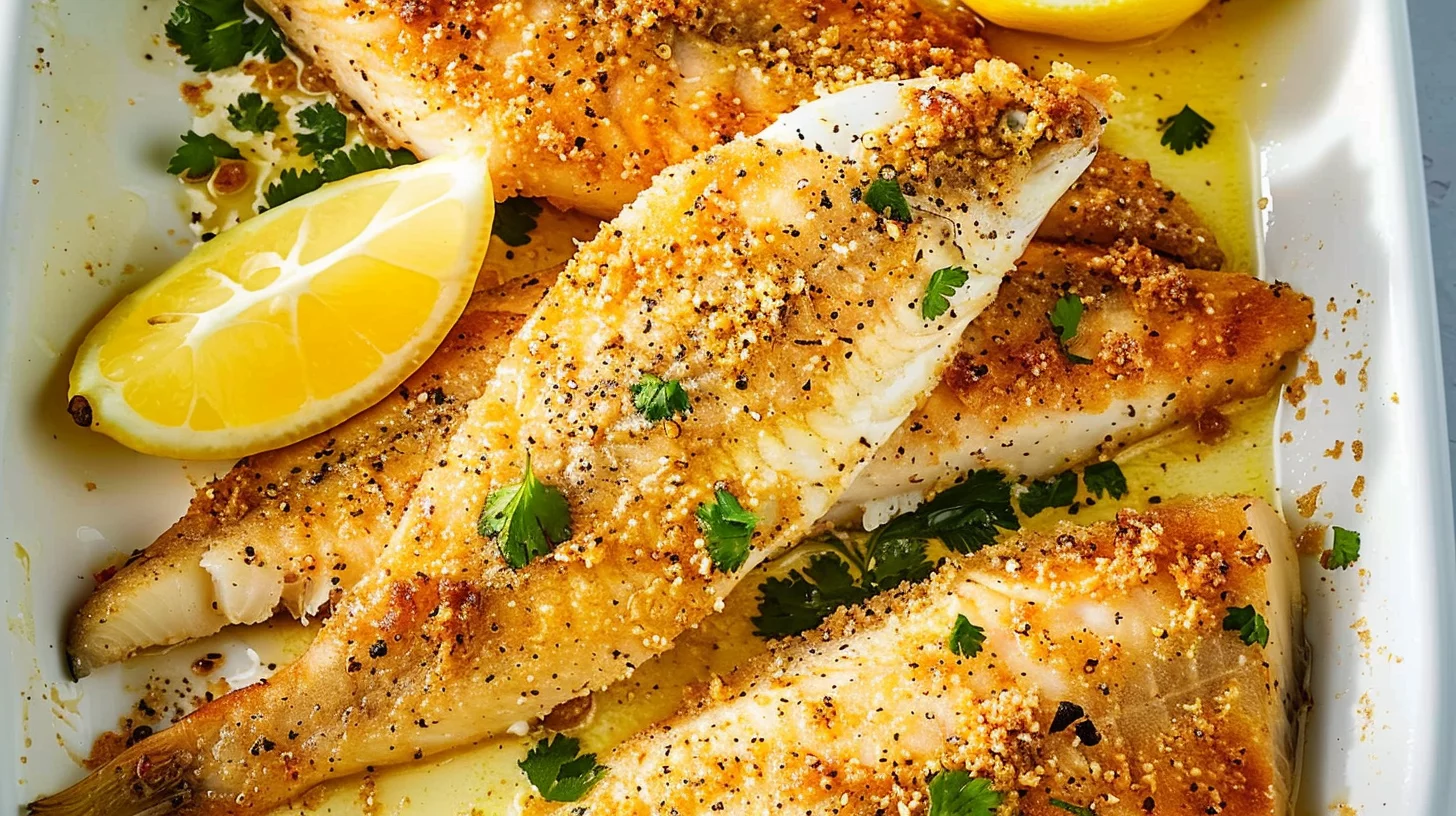
Welcome to my kitchen by the sea, where the sizzle of flounder in garlic butter fills the air. Living near the coast has blessed me with countless opportunities to enjoy fresh seafood. Flounder, with its delicate flavor and tender texture, holds a special place in my heart. It’s a fish that transforms even the simplest meal into something memorable.
Growing up, flounder was a staple at our family dinners. My mother would prepare it with just a few ingredients, letting the natural flavors shine through. I cherish those meals, where every bite seemed to capture the essence of the ocean. Now, I love sharing this flounder recipe with friends and readers, hoping to inspire the same appreciation for this underrated fish.
Cooking flounder doesn’t have to be complicated. In fact, simplicity is key. A dash of paprika, a sprinkling of breadcrumbs, and a drizzle of garlic butter create a dish that’s both elegant and easy to make. Whether you’re a seasoned seafood lover or new to cooking fish, this flounder recipe will quickly become a favorite in your kitchen.
Let’s dive into the world of flounder, where we’ll explore the fundamentals, techniques, and tips to perfect this delightful dish. From preparation to presentation, you’ll discover the secrets to creating a flounder meal that impresses every time.
Print
flounder
- Prep Time: 15 minutes
- Cook Time: 15 minutes
- Total Time: 30 minutes
- Yield: 4 servings
- Category: Main Course
- Method: Baking
- Cuisine: International
Description
Discover how to perfectly cook flounder with our delicious recipe. Learn the best techniques and tips for preparing this flavorful and delicate fish!
Ingredients
- – 4 flounder fillets (170 g each)
- – 1 tablespoon (15 ml) olive oil
- – 1/2 teaspoon (3 ml) salt
- – 1/2 teaspoon (3 ml) black pepper
- – 1/2 teaspoon (3 ml) paprika
- – 1/2 teaspoon (3 ml) dried parsley (optional)
- – 1/4 cup (60 ml) bread crumbs
- – 1/4 cup (60 ml) vegetable oil
- – 3 cloves garlic, minced
- – 1 tablespoon (15 ml) lemon juice
- – 1 tablespoon (15 ml) parsley, chopped (or 1/4 teaspoon (1 ml) dried)
Instructions
- Set your oven to 190C (375F). Coat a baking tray lightly with olive oil or cover it with parchment paper.
- Dry the flounder fillets using paper towels. Coat both sides with olive oil and season them with salt, black pepper, paprika, and optional dried parsley.
- Combine melted butter, minced garlic, lemon juice, and chopped fresh parsley in a small bowl.
- Lay the fillets in the prepared baking tray. Drizzle the garlic butter mixture uniformly over the fish. Sprinkle breadcrumbs on top and press them gently onto the fillets.
- Cook in the oven for 12-15 minutes until the fish is opaque and flakes easily with a fork.
- Take it out of the oven and serve right away with lemon wedges and the juices from the pan.
Notes
- Try using panko bread crumbs for a crispier texture.
- Enhance the garlic butter mixture with herbs like thyme or dill.
- Squeeze fresh lemon juice over the flounder before serving for a citrus boost.
Flounder Cooking Essentials
Fundamentals
Flounder is a mild fish known for its delicate texture. It absorbs flavors beautifully, making it a versatile choice for various recipes. When selecting flounder, look for fillets that are firm and have a fresh, salty scent. Freshness is crucial, as it ensures the best taste and texture.
One of flounder’s strengths is its adaptability. It pairs well with a range of seasonings and cooking methods, from baking to grilling. Understanding flounder’s characteristics will help you maximize its culinary potential, creating dishes that highlight its natural qualities.
Preparation/setup
Begin by gathering all your ingredients: four flounder fillets, olive oil, salt, black pepper, paprika, parsley, breadcrumbs, vegetable oil, minced garlic, lemon juice, and fresh parsley. Preheating your oven to 190C (375F) ensures even cooking, allowing the fish to flake perfectly.
Prepare your baking tray by lightly coating it with olive oil or lining it with parchment paper. This step prevents sticking and ensures easy cleanup. Patting the flounder fillets dry with paper towels is essential to achieve a crisp, golden crust.
Flounder Cooking Techniques
Technique
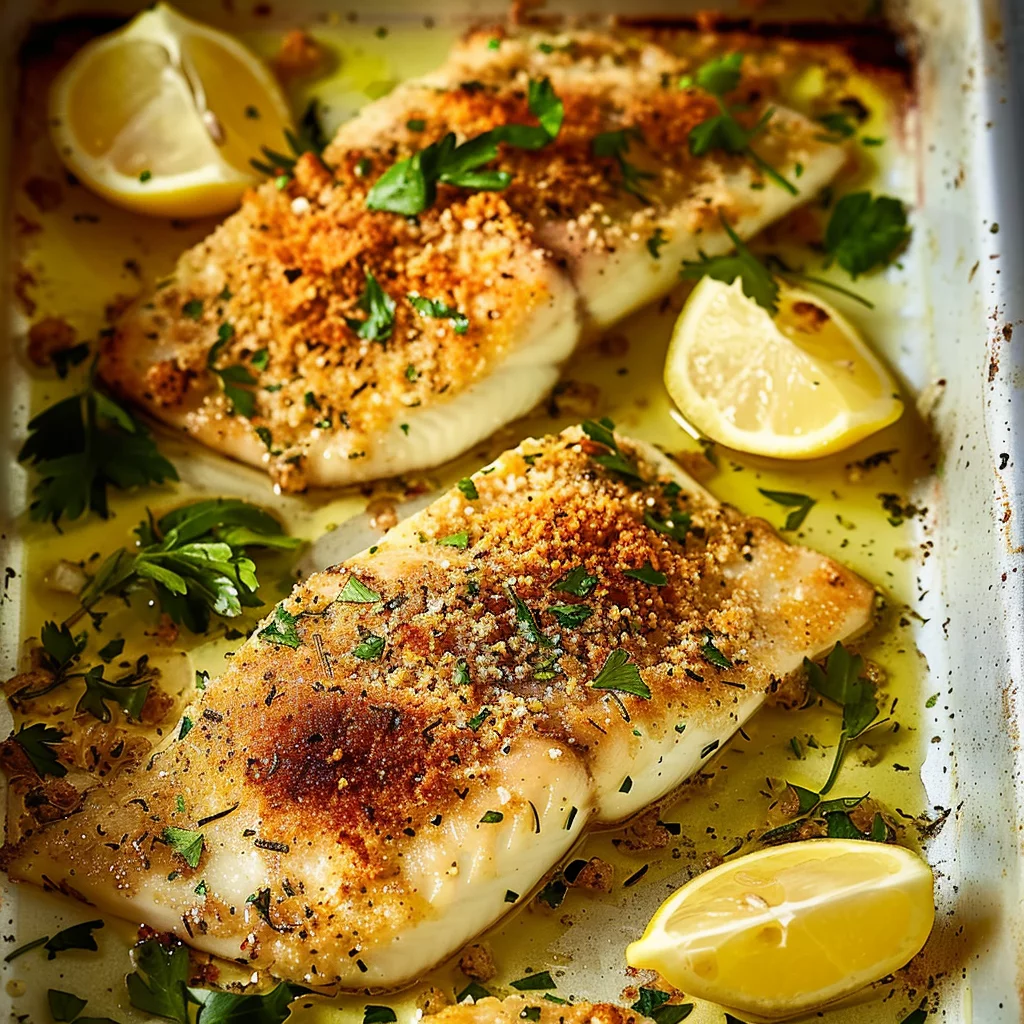
Coat the flounder fillets with olive oil, then season them with salt, black pepper, paprika, and optional dried parsley. This simple seasoning enhances flounder’s natural flavors without overpowering them. The key is balance, allowing each ingredient to complement the fish.
flounder
In a small bowl, combine melted butter, minced garlic, lemon juice, and chopped fresh parsley. This mixture creates a flavorful drizzle that enhances the fish’s taste and aroma. Drizzling it evenly over the fillets ensures every bite bursts with deliciousness.
Tips/tricks
For an extra crunch, press breadcrumbs gently onto the fillets before baking. This step adds texture and a beautiful golden color. Keep an eye on the cooking time, as flounder cooks quickly. When it’s opaque and flakes easily with a fork, it’s ready to serve.
If you prefer a more robust flavor, consider adding a pinch of cayenne pepper or a sprinkle of grated Parmesan cheese to the breadcrumb mixture. These variations can elevate your dish, offering a new twist on the classic flounder recipe.
Perfecting Your Flounder Dish
Perfecting results
Achieving the perfect flounder dish requires attention to detail. Ensure your oven is preheated to the correct temperature before cooking. This step guarantees even heat distribution, resulting in a perfectly cooked fish that’s both tender and flavorful.
After baking, let the flounder rest for a few minutes. This brief pause allows the juices to redistribute, ensuring every bite is moist and delicious. Serving the flounder with the pan juices adds an extra layer of flavor, enhancing the dish’s overall taste.
Troubleshooting/variations
If your flounder turns out dry, try reducing the cooking time by a couple of minutes. Each oven varies, and slight adjustments may be necessary to achieve the desired result. For those who enjoy a bit more zest, incorporating additional lemon juice or zest can brighten the dish.
Experiment with different herbs and spices to create unique flavor profiles. Dill, thyme, or even a touch of ginger can transform your flounder dish, offering new culinary experiences with each variation.
Serving and Enjoying Flounder
Serving/presentation
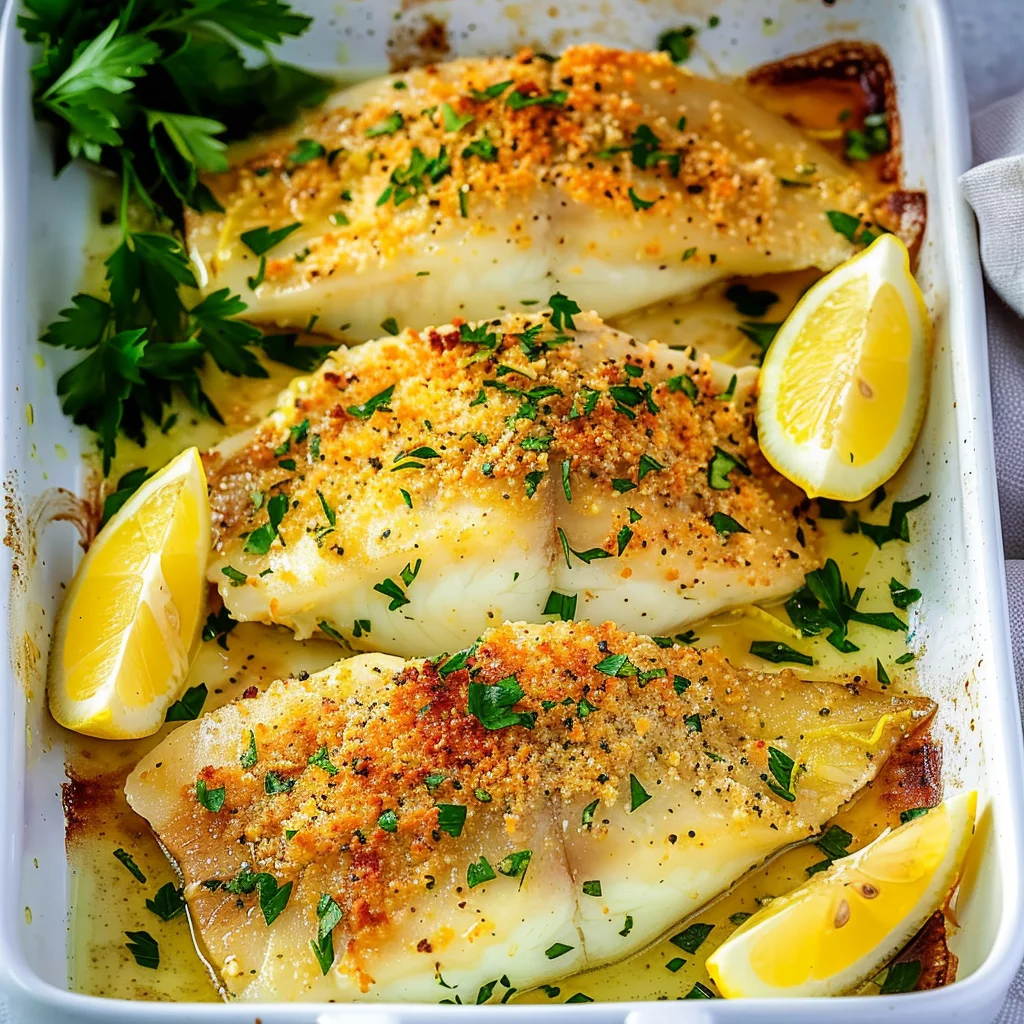
Presentation plays a significant role in enjoying a meal. Arrange the flounder fillets on a platter, garnished with lemon wedges and fresh parsley. The vibrant colors create an inviting appearance, making the dish as appealing as it is delicious.
Serving the flounder with a side of steamed vegetables or a light salad complements the fish’s flavors. The simplicity of these sides allows the flounder to remain the star of the plate, offering a balanced and satisfying meal.
flounder
Pairings/storage
Flounder pairs well with a variety of sides. Consider serving it with roasted potatoes or a quinoa salad for a nutritious option. If you have leftovers, store them in an airtight container in the refrigerator for up to two days. Reheat gently to maintain the fish’s delicate texture.
For those seeking a twist, try incorporating flounder into tacos or sandwiches. These creative uses extend the enjoyment of this delightful fish, offering new ways to savor its flavors.
Conclusion
Flounder offers a versatile and delicious addition to any meal. Its mild flavor and tender texture make it a favorite among seafood enthusiasts, while its simplicity appeals to those new to cooking fish. By mastering the fundamentals and experimenting with variations, you can create flounder dishes that delight and satisfy.
Whether you prefer classic preparations or innovative twists, flounder remains a reliable choice for flavorful and satisfying meals. Its adaptability ensures it fits seamlessly into any culinary repertoire, providing endless opportunities for creativity and enjoyment in the kitchen.
